
Seeing a Denmark travel warning while planning a holiday can feel confusing. Denmark has a reputation for being a comfortable, well-organized destination, so why would another government advise travelers to exercise caution?
The key is understanding what a travel warning means—and what it does not mean.
A country can be generally safe for everyday tourism while still facing risks such as terrorism, theft, severe weather, or security incidents. Government advisories describe those risks, but their wording and severity vary.
This guide explains how to interpret Denmark travel advice, what to watch for in Copenhagen, and which precautions can help you travel more confidently.
Is Denmark Safe? The Short Answer
Denmark is generally a safe destination for tourists, but it is not risk-free. Many visitors can explore its cities, countryside, and coastal areas using normal travel precautions.
For practical trip planning, pay attention to four areas:
- Official security advice: Check your government’s current advisory and any location-specific alerts.
- Personal belongings: Protect passports, phones, and wallets in crowded places.
- Traffic and transport: Watch for bicycles and understand local ticketing rules.
- Weather and outdoor activities: Check conditions before driving, swimming, hiking, or taking boat trips.
A reassuring reputation should not replace preparation. Equally, an advisory telling travelers to exercise increased caution should not automatically be interpreted as an instruction to cancel a holiday.
Your decision should reflect the actual advisory wording, your itinerary, and your personal circumstances.
Why Does Denmark Have a Travel Warning?
Terrorism concerns have been a reason for government travel advisories about Denmark. These concerns can exist even when ordinary sightseeing and daily life continue normally.
For example, U.S. advisories have listed Denmark at Level 2: Exercise Increased Caution, citing terrorism. That is a historical example, not a live confirmation of today’s advisory level. Check the U.S. Department of State’s Denmark travel advisory for the current status.
There is also no single worldwide “Denmark travel warning.” Each government publishes advice for its own citizens, and different countries may use different categories.
Understanding the U.S. advisory scale
| Level | Official wording | What it means for trip planning |
|---|---|---|
| 1 | Exercise Normal Precautions | Use ordinary travel-safety measures. |
| 2 | Exercise Increased Caution | Pay closer attention to the risks identified in the advisory. |
| 3 | Reconsider Travel | Seriously reassess whether the trip is appropriate. |
| 4 | Do Not Travel | Follow the government’s advice not to travel. |
This scale belongs to the United States. Do not apply it directly to British, Canadian, Australian, or Danish security guidance.
Does a warning mean an attack is imminent?
Not necessarily. A general terrorism warning does not, by itself, establish that an attack is about to occur in a particular place.
However, it should still be taken seriously. Read any advice about public places, events, transport facilities, or specific locations, and follow instructions from local authorities.
A Danish domestic terrorism threat assessment is also different from a foreign government’s travel advisory. The two systems serve different purposes and should not be treated as interchangeable.
Where to Check the Latest Denmark Travel Warning
Use your own government’s advisory as your main reference, especially for consular assistance and any implications for your insurance.
Official sources include:
- United States: Department of State—Denmark travel advisory
- United Kingdom: GOV.UK—Denmark travel advice
- Canada: Government of Canada—Denmark travel advice
- Australia: Smartraveller—Denmark
For local information, consult the Danish Police and the Danish Security and Intelligence Service.
Check these sources when booking, shortly before departure, and during your trip if an incident or major disruption occurs.
Read beyond the headline. A country-level rating may not explain every location-specific concern, and temporary embassy alerts can contain information that is especially relevant to your travel dates.
Is It Safe in Copenhagen?
Copenhagen is generally a manageable city for visitors using sensible urban-safety precautions. The most useful preparation involves protecting belongings, navigating bicycle traffic, and planning how to return to your accommodation after dark.
Protect your belongings in crowded places
Busy stations, public transport, queues, and sightseeing areas can create opportunities for theft.
Useful habits include:
- Keep bags closed and within sight.
- Carry wallets somewhere less accessible than a back pocket.
- Avoid leaving phones on outdoor café tables.
- Do not hang a bag on a chair where you cannot see it.
- Keep a backup payment method separate from your main wallet.
- Store secure copies of important travel documents separately from the originals.
These precautions are especially relevant when you are distracted by luggage, maps, ticket machines, or unfamiliar surroundings.
Take normal precautions at night
Being in a generally safe city does not make every street or situation equally safe.
Before going out:
- Check how you will get back to your accommodation.
- Choose well-lit routes where practical.
- Use official public transport or a licensed taxi operator.
- Keep control of your drinks and personal belongings.
- Leave a venue or situation if you feel uncomfortable.
If you need help, move toward a staffed business or another place where you can safely contact assistance.
When choosing accommodation, consider transport access, reception arrangements, and recent guest reviews rather than assuming that an entire neighborhood is automatically safe or unsafe.
Related guide: Best areas to stay in Copenhagen
Watch for bicycles
For an unfamiliar visitor, Copenhagen’s cycling infrastructure requires attention.
A cycle lane is not an extension of the sidewalk. Avoid standing in it to check a map, take a photograph, or wait for someone.
Look carefully before crossing bicycle lanes and follow the relevant signals. If you rent a bicycle, learn the basic rules, use the required lights, and avoid stopping suddenly in moving cycle traffic.
Understand public transport tickets
Before boarding, make sure you have a valid ticket covering the correct journey and zones. Follow any activation or validation requirements.
Do not assume that you can buy a ticket after boarding or that being a visitor will excuse an invalid fare.
Use official operators or trusted journey-planning services, such as Rejseplanen, to check routes.
Related guide: Copenhagen public transport guide
Follow current rules in Christiania
Christiania is not exempt from Danish law. Do not assume that cannabis or other illegal drugs become legal because a district has a reputation for alternative culture.
Respect residents, follow current signs and visitor guidance, and ask before taking close-up photographs of people.
Older travel blogs may describe conditions or practices that no longer apply. Current local information is more useful than a district’s historical reputation.
Read Related Article: When To Travel To Copenhagen: Best Months For Visit
Is Denmark a Safe Country for Different Travelers?
The answer depends partly on how you travel. A family holiday, a solo city break, and an independent coastal road trip involve different practical considerations.
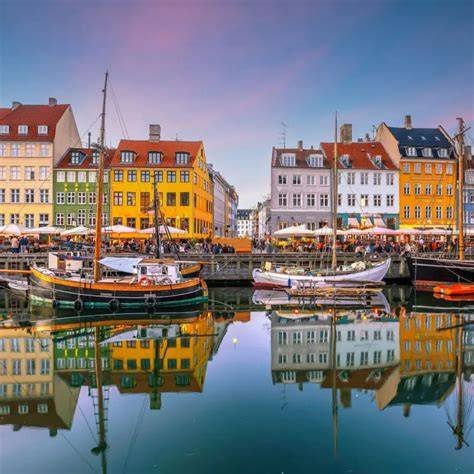
Solo travelers and women traveling alone
Denmark can be a practical destination for independent travel, including solo female travel. Nevertheless, no country eliminates the possibility of harassment, theft, or assault.
Useful preparations include:
- Choose accommodation with clear arrival and check-in procedures.
- Tell someone you trust about major itinerary changes.
- Keep your phone charged when traveling alone.
- Avoid sharing your room number or detailed plans with strangers.
- Plan late-night transport before going out.
Use your judgment about a specific situation rather than relying entirely on a country’s overall reputation.
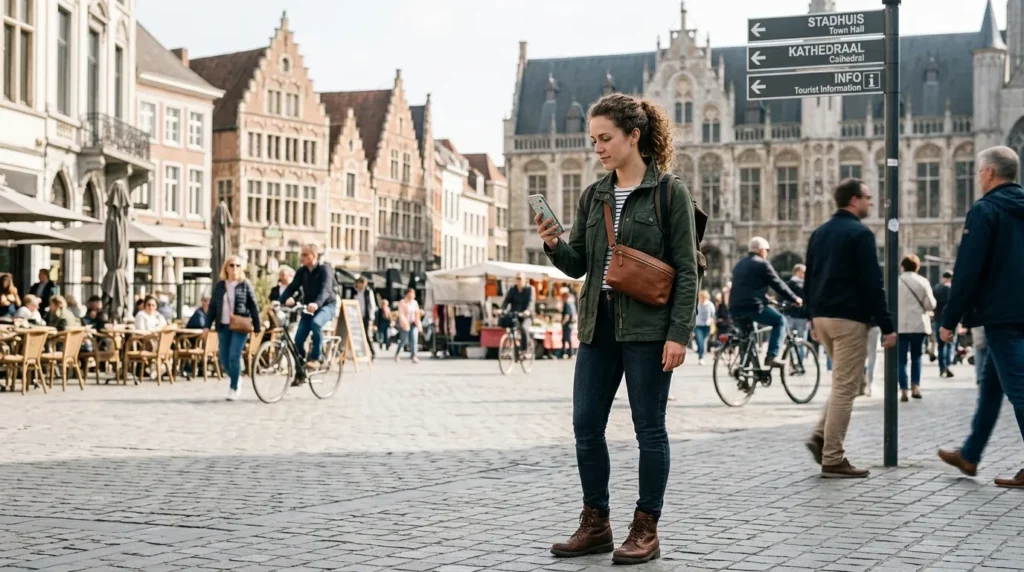
Related guide: Solo female travel in Denmark
Families with children
For families, some of the most immediate hazards are ordinary ones: bicycle lanes, road crossings, waterfront edges, and unfamiliar swimming conditions.
Keep younger children close around moving cycle traffic and busy platforms. At crowded attractions, agree on a meeting point and make sure children know how to identify staff.
Check activity-specific safety rules before visiting beaches, pools, playgrounds, or adventure attractions.
Travelers with accessibility or health needs
Confirm accessibility with individual hotels, attractions, and transport providers. A general “accessible” label may not explain steps, bathroom layouts, lift availability, or distances from a station.
Historic streets and buildings can require additional planning.
If you take prescription medication, check the relevant import rules and carry appropriate documentation. Arrange any essential medical support before departure rather than assuming it will be available immediately on arrival.
Safety Beyond Copenhagen
A Denmark safety guide should not focus only on the capital. Conditions can be different on rural roads, exposed coastlines, and remote excursions.
Check weather and coastal conditions
Check forecasts and warnings through the Danish Meteorological Institute before weather-sensitive activities.
Strong winds, rough water, cold temperatures, or reduced visibility can make an otherwise straightforward outing more hazardous.
Follow local swimming guidance, respect warning signs, and do not assume that every attractive waterfront is a designated swimming area. If conditions deteriorate, changing your plans is a sensible precaution.
Prepare for driving
If you rent a car, familiarize yourself with Danish road rules and your rental agreement.
Pay particular attention to:
- Cyclists at junctions and when turning.
- Posted speed limits.
- Parking signs and payment requirements.
- Poor visibility and winter road conditions.
- Insurance excesses and roadside-assistance arrangements.
Allow extra time when unfamiliar roads or weather make driving more demanding.
Related guide: Driving in Denmark
Treat Greenland and the Faroe Islands separately
If your wider itinerary includes Greenland or the Faroe Islands, do not assume that advice for Copenhagen covers the whole journey.
Remote activities, changing weather, transport disruption, and access to medical care can require different preparation.
Both Greenland and the Faroe Islands are outside the Schengen Area. Check their specific entry requirements, destination advice, and insurance arrangements rather than assuming that mainland Denmark’s rules apply in every respect.
Healthcare, Travel Insurance, and Emergency Numbers
Knowing how to get help is a useful part of any travel-safety plan.
Important emergency contacts
| Situation | Contact |
|---|---|
| Immediate danger, serious medical emergency, or fire | 112 |
| Non-emergency police assistance within Denmark | 114 |
The Danish Police website provides official contact and reporting information.
When calling emergency services, explain your location and what has happened, then follow the operator’s instructions.
For non-urgent medical care, use the relevant regional healthcare guidance or contact your insurer. Medical advice arrangements can vary by region, so do not assume that a number or procedure used in Copenhagen applies nationwide.
Understand healthcare eligibility
Eligible travelers may be able to use an EHIC or GHIC to access medically necessary state-provided care under the applicable rules.
However, these cards do not replace comprehensive travel insurance. They generally do not cover private treatment or repatriation.
Check the rules that apply to your circumstances through official healthcare information, including Denmark’s public information portal.
Check what your insurance actually covers
Read the policy wording rather than relying only on a summary of benefits.
Consider:
- Medical treatment.
- Emergency evacuation and repatriation.
- Cancellation and interruption.
- Lost or stolen belongings.
- Activities such as cycling, sailing, or winter sports.
- Every destination included in your itinerary.
A travel warning does not automatically invalidate every insurance policy. However, some policies restrict coverage when a traveler goes against government advice.
If you are unsure, ask the insurer how the current advisory affects your specific trip and request a clear written response.
Related guide: Denmark travel insurance
Should You Cancel a Trip Because of a Denmark Travel Warning?
Not automatically. An instruction to exercise increased caution is different from advice to reconsider travel or not travel.
Instead of reacting only to the word “warning,” consider:
- What your government currently recommends.
- Whether the concern affects your planned locations or activities.
- Whether local authorities have introduced restrictions.
- Your medical needs and personal risk tolerance.
- Whether your insurance covers the relevant circumstances.
If the advice becomes more restrictive, a specific alert affects your itinerary, or your insurer identifies a significant coverage problem, reassess the trip.
A lower advisory level is not a guarantee of safety, and a more serious warning should not be dismissed because other travelers report having a good holiday.
Denmark Travel Safety Checklist
Before departure:
- Check your government’s latest Denmark advisory.
- Read any relevant embassy or local police alerts.
- Confirm passport, visa, and entry requirements separately from safety advice.
- Review insurance coverage and exclusions.
- Save your accommodation address and emergency contacts offline.
- Keep secure backup copies of important documents.
- Check transport arrangements for your arrival time.
- Review weather conditions for outdoor activities.
- Prepare any necessary medication and medical documentation.
During the trip, stay aware of local instructions and adjust plans when conditions change.
Frequently Asked Questions
Does a Denmark travel warning mean the borders are closed?
No. A travel advisory and an entry restriction are different things.
A government may advise caution without Denmark restricting tourist entry. Check both the travel advisory and the entry rules that apply to your nationality and itinerary.
Is Copenhagen safe at night?
Copenhagen can generally be explored after dark with sensible precautions, but safety varies by situation.
Plan your return journey, protect your belongings, avoid confrontations, and leave places where you feel uncomfortable. No guide can guarantee the safety of every street or venue.
Are terrorism threat levels the same as travel advisories?
No. A domestic terrorism threat assessment describes a security authority’s evaluation of the threat environment.
A foreign government’s travel advisory gives recommendations to its citizens. The systems may inform one another, but their labels and levels should not be directly equated.
What should I do if my passport is stolen in Denmark?
Report the theft using Danish Police guidance and contact your embassy or consulate about replacement travel documentation.
Keep any police report or reference number required for your insurance claim. If the theft involves an immediate threat to your safety, call 112.
Can travel insurance cover a trip when an advisory exists?
It depends on the policy, the advisory wording, and the reason for a claim.
Some advisories do not prevent normal coverage, while traveling against specific government advice may create exclusions. Ask your insurer rather than assuming that all warnings have the same effect.
The Bottom Line: Understand the Warning, Then Plan Accordingly
Denmark is generally a safe country for visitors, but a reassuring reputation is not a substitute for current information.
A Denmark travel warning should be read in context. Understand who issued it, what risks it identifies, and what action it recommends.
For most trip planning, the useful approach is straightforward: check official advice, protect your belongings, respect local rules, prepare for transport and weather conditions, and make sure you know how to get help.
Before booking or departing, return to your government’s live advisory—not an old headline or an undated travel article.