
Yellowstone wildlife viewing is best at dawn and dusk in key valleys.
Yellowstone is my one of the most favorite spots to explore. Specially for Yellowstone Wildlife Viewing. Today in this article I will write about the park , where to go, when to be there, what to bring, and how to watch with care. If you want a smart, safe plan for Yellowstone wildlife viewing, you are in the right place.
What Makes Yellowstone Wildlife Viewing Unique

Yellowstone sits on a vast, high plateau with wide valleys and rich grass. Hot springs warm soil and water. That adds life early in spring. The park also links wild lands across the Greater Yellowstone Ecosystem. It holds one of the last large, intact temperate ecosystems on Earth.
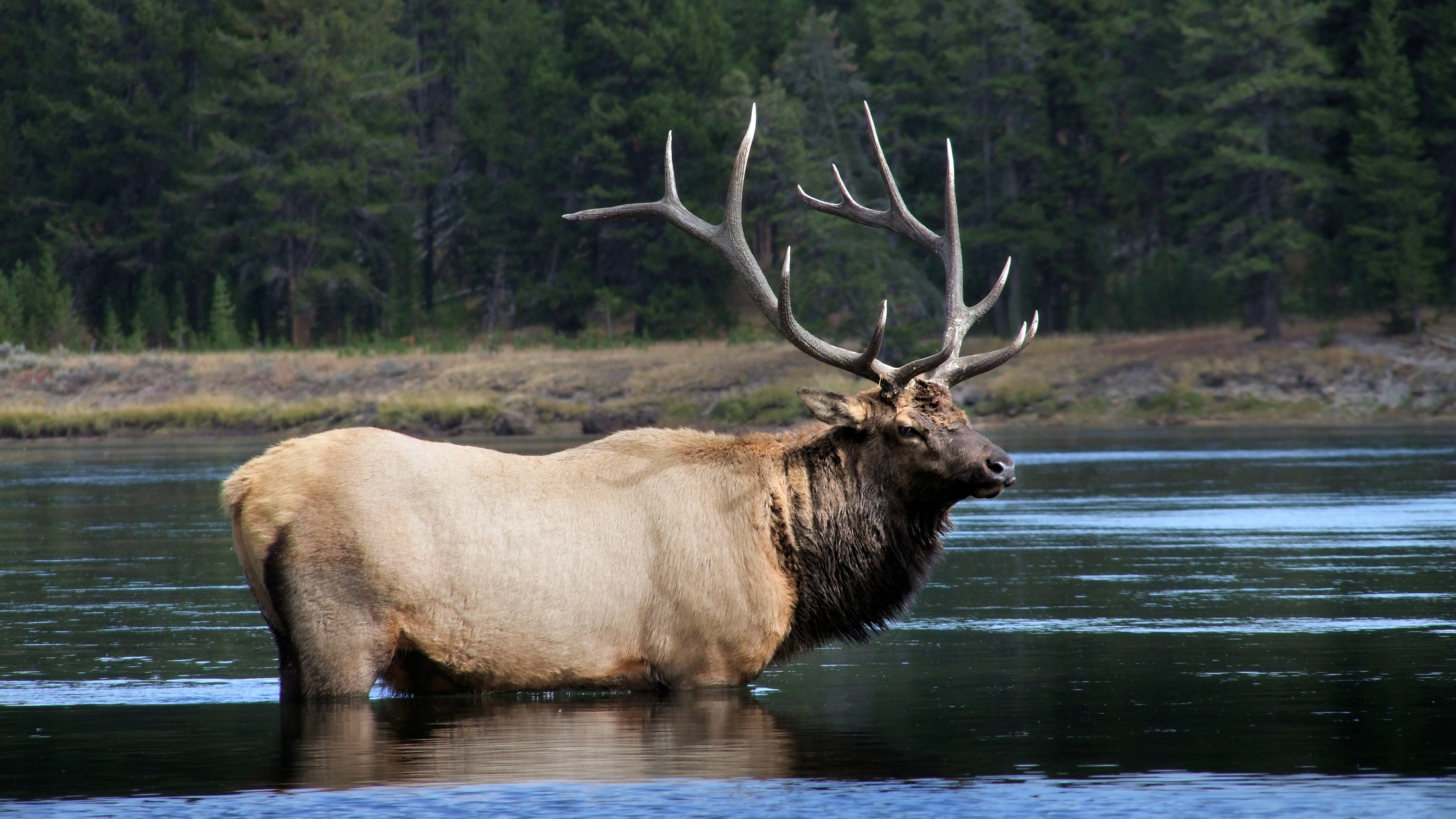
You can see many icons in one day. Bison, grizzly bears, black bears, wolves, elk, pronghorn, bighorn sheep, moose, and trumpeter swans share this land. More than sixty mammal species live here. Hundreds of bird species pass through or nest. This density makes Yellowstone wildlife viewing special.
Key reasons it stands out:
- Great habitat diversity supports many species close together
- Open sight lines in valleys help spot and track animals
- Roads follow productive river bottoms and ridges
- Long summer days allow long watching windows
- Strict rules protect wildlife and sustain natural behavior
Tip from the field: After many seasons, my best days were not the warm ones. Cold, clear mornings with light wind brought the most action. Animals were out and the air was sharp. Heat waves from midday sun can blur the view.
Best Seasons and Times to Spot Animals
You can enjoy Yellowstone wildlife viewing in all seasons. Each season has a mood and a cast.
Spring, April to June:
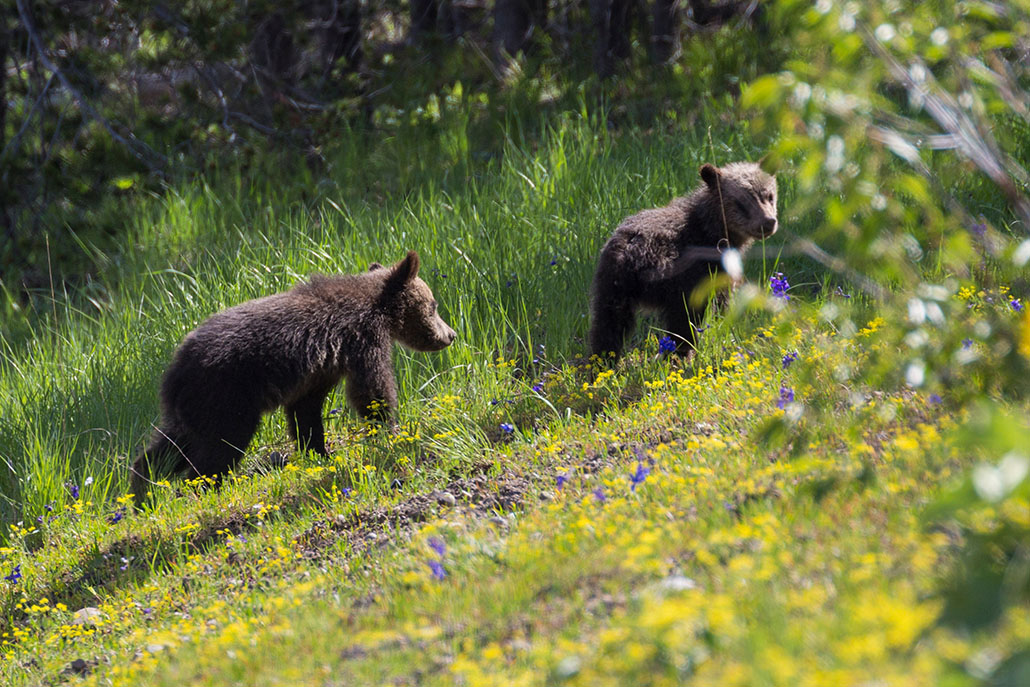
- Bears emerge and search for carcasses on south slopes
- Bison calves arrive and herds move through Hayden and Lamar
- Wolves are active near dens, most often at dawn
Summer, July to August:
- Elk and bison graze meadows at first and last light
- Many species rest in shade at midday
- Bird life peaks along rivers and lake edges
Fall, September to October:
- Elk rut fills the air with bugles in Mammoth and Madison
- Bears feed hard on nuts, roots, and carcasses before denning
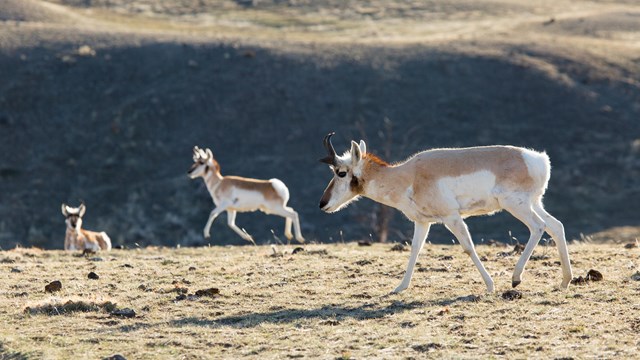
- Bison disperse, and pronghorn stage in the north
Winter, November to March:
- Snow pushes wildlife into valleys and the Northern Range
- Wolves stand out on snow and are easier to track
- Bison, coyotes, foxes, and swans offer clean, bright scenes
Daily timing matters. For consistent Yellowstone wildlife viewing, plan dawn to two hours after, then the last three hours before dusk. On cloudy days, animals may stay out longer.
Top Areas and What You’ll See
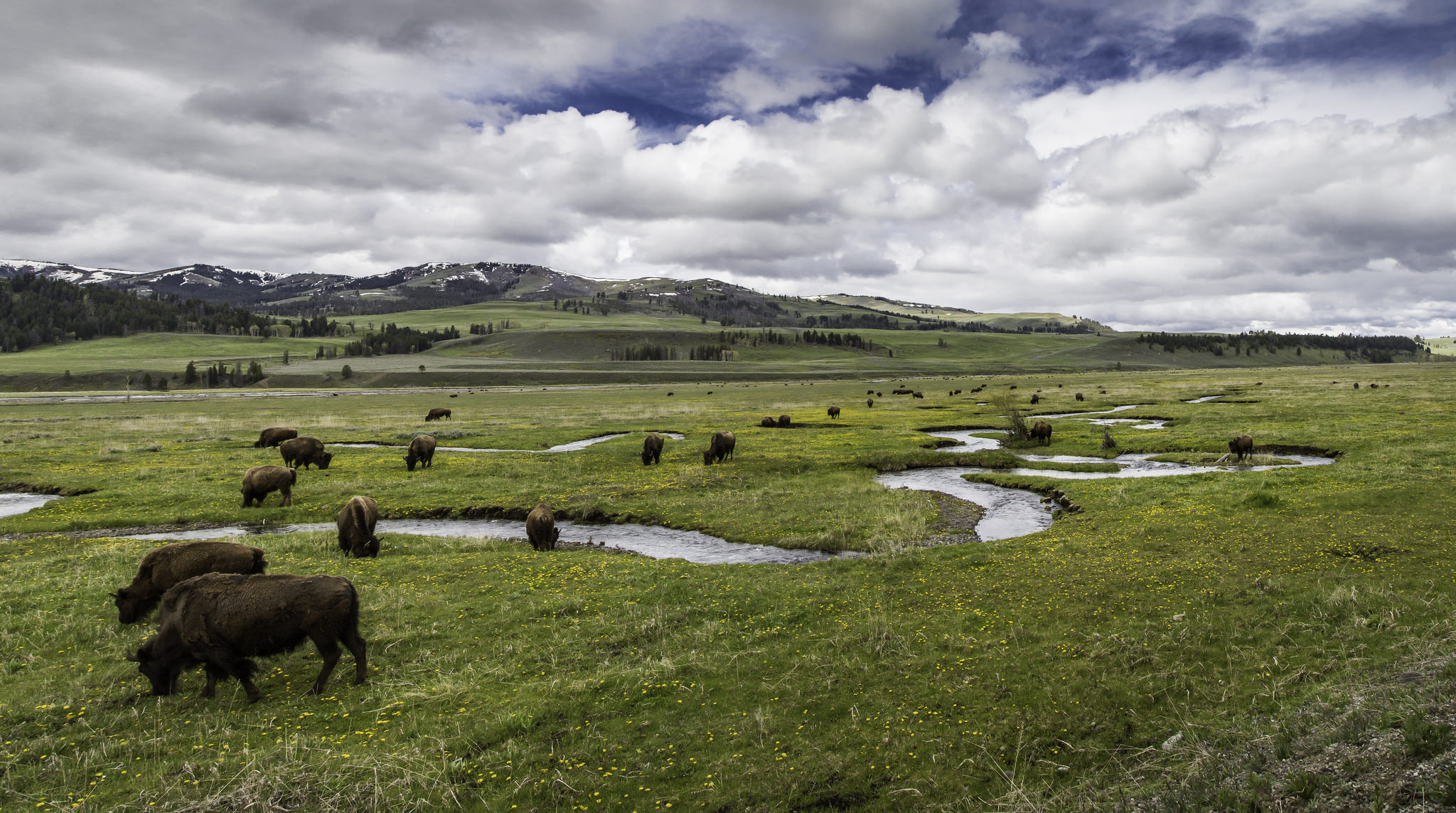
Yellowstone wildlife viewing centers on a few rich areas. Each valley or basin has its own story. Move slow. Use pullouts. Glass hills and creek bottoms.
Lamar Valley
Open, wide, and famed for wolves. Also see bison, pronghorn, coyotes, foxes, and bears on the fringes. Dawn is best. Watch high slopes for moving lines of elk.
Hayden Valley
Broad meadows along the Yellowstone River. Large bison herds, elk, grizzlies in spring and fall, birds all season. Dawn fog can add drama but can hide wildlife.
Northern Range: Tower Junction to Gardiner
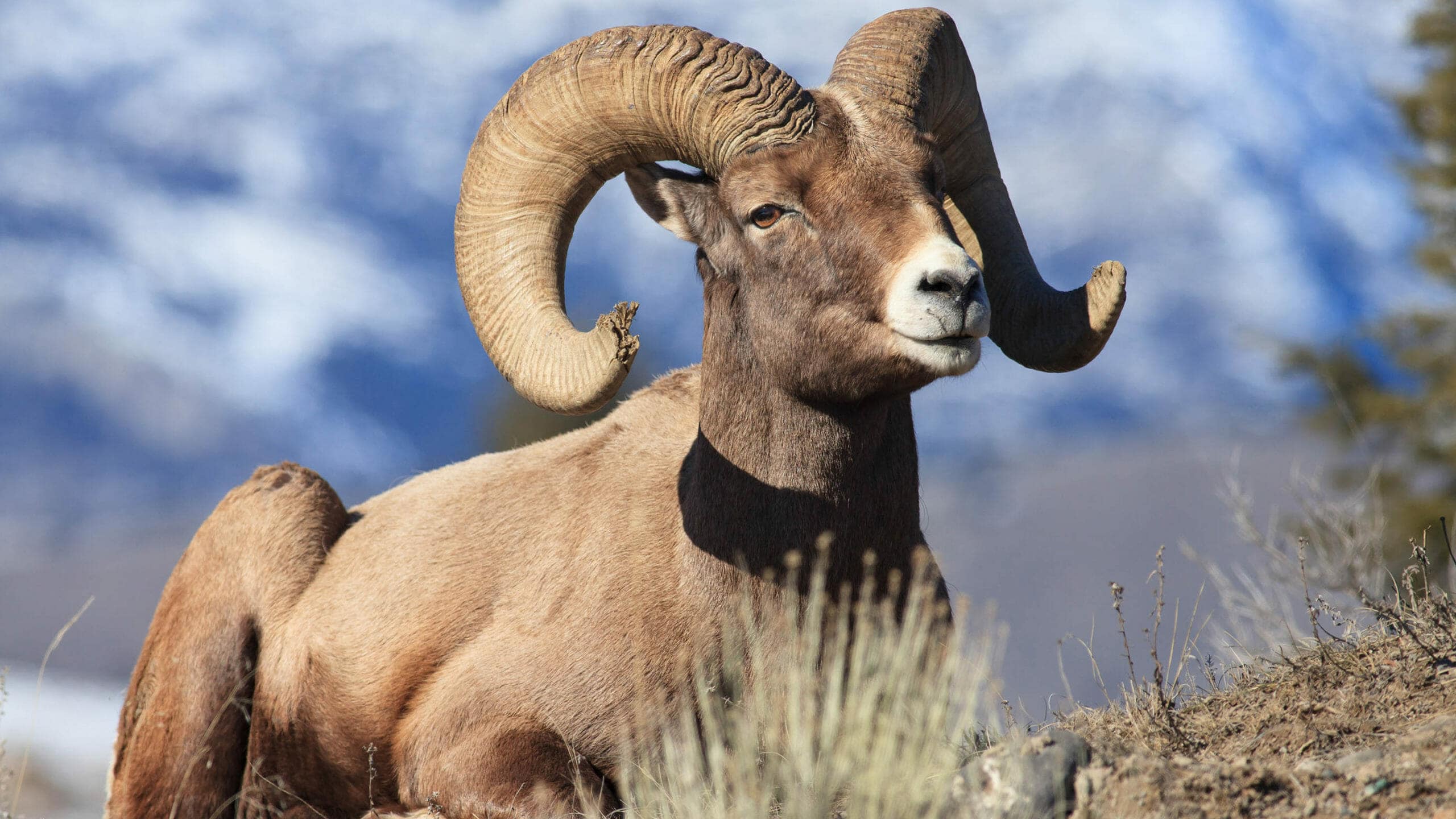
Lower snow and good winter range. Bighorn sheep on cliffs near Yellowstone River. Elk, deer, pronghorn, and the most reliable winter wolf watching.
Madison and Gibbon Corridors
Steamy rivers in cold months draw swans, ducks, and otters. Elk use edges at dawn and dusk. In fall, listen for elk bugles near meadows and campgrounds.
Geyser Basins and Thermal Areas
Ravens, coyotes, and foxes patrol for scraps and small prey. Bison use warm ground in winter. Stay on boardwalks for your safety.
Yellowstone Lake and LeHardy Rapids
Look for otters, ospreys, and bald eagles. In spring, harlequin ducks ride the rapids. Bears sometimes work the shorelines.
Mount Washburn, Dunraven, and High Ridges
Good for bears in spring on green slopes. Look for white dots of mountain goats in nearby cliffs, where legal to view from roads or trails.
Field note: One May dawn in Hayden, fog lifted like a curtain. A grizzly rose from sage, shook ice from its coat, and moved to a bison carcass. That moment came after two cold hours of scanning. Patience and a thermos help.
Ethical, Safe Yellowstone Wildlife Viewing
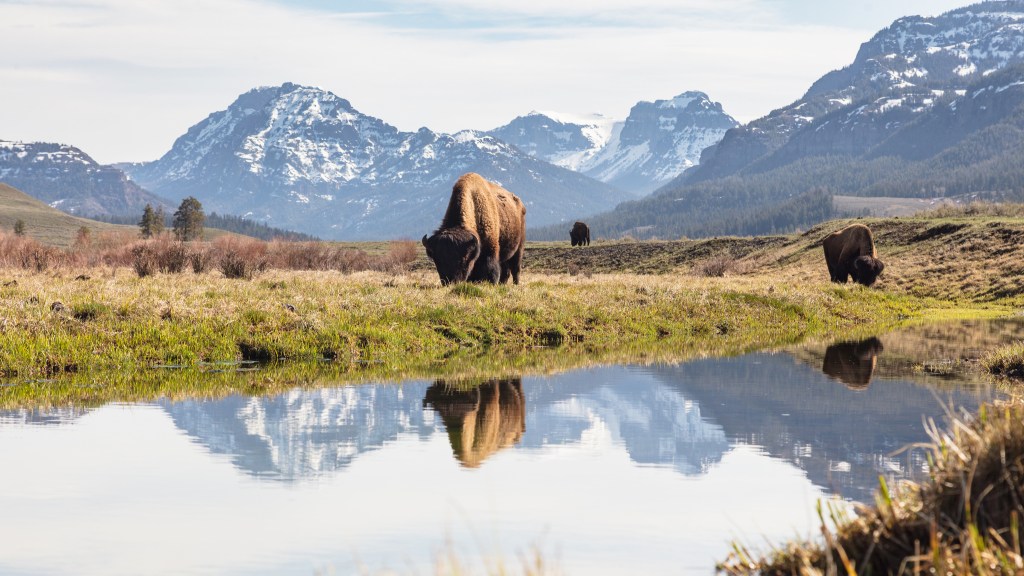
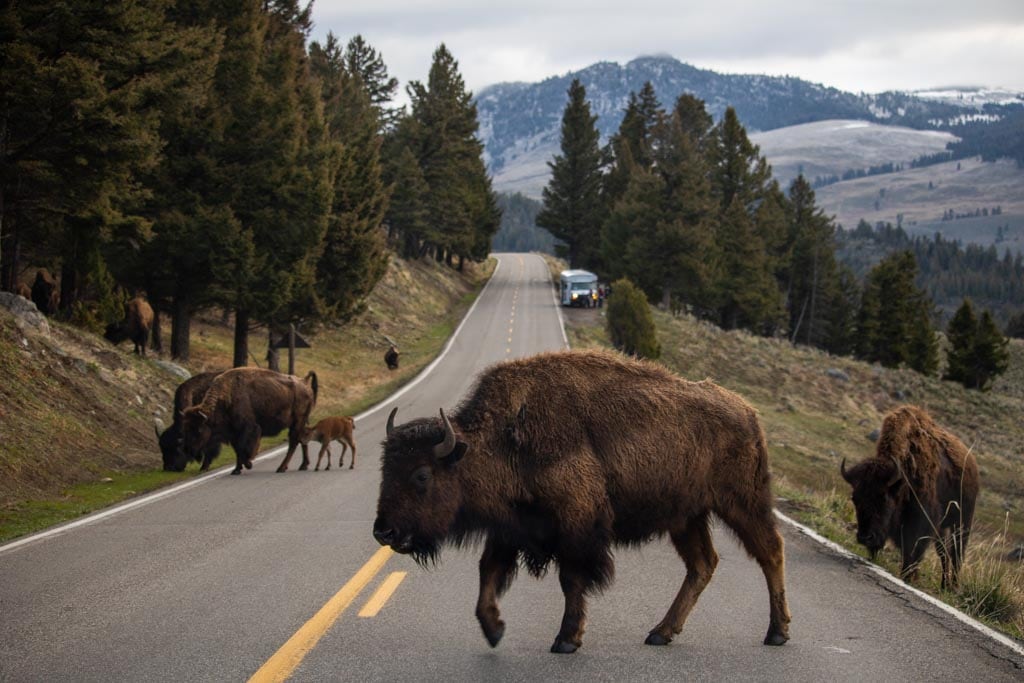
Your choices shape the future of this place. Follow National Park Service guidance. It protects you and the animals.
Core rules to honor:
- Stay at least 25 yards from bison, elk, deer, moose, bighorn sheep, and coyotes
- Stay at least 100 yards from bears and wolves
- Do not feed wildlife, ever
- Use pullouts and keep roads clear
- Keep your group tight to reduce stress on animals
- Store food and trash in bear‑safe ways
Smart safety habits:
- Carry bear spray, know how to use it, and keep it handy
- Watch for signs of stress, like raised tails, pinned ears, huffs, or bluff charges
- Give carcasses wide space; predators may guard them
- Keep pets out of the park interior; pets change wildlife behavior and face risk
I once watched a crowd creep toward a resting bison. It stood, shook, and lowered its head. We backed off and waved others back. Space calmed the scene. Respect is the best lens.
Gear and Prep Checklist
You can enjoy Yellowstone wildlife viewing with just eyes and time. The right kit helps you see more and stay safe.
Essentials:
- Binoculars in the 8x to 10x range
- A spotting scope on a stable tripod if you have one
- Bear spray on your hip, not in your pack
- Layered clothing, hat, and gloves, even in summer mornings
- Sturdy boots for uneven pullouts and short walks
- Sun shield, water, and high‑energy snacks
- Paper map plus downloaded offline maps
- Red or dim headlamp for pre‑dawn setups
- Small first aid kit and a backup power bank
Nice to have:
- Camera with a telephoto lens
- Window mount for optics to reduce shake
- Seat pad or lightweight stool for long waits
- Hand warmers for winter and shoulder seasons
Field Tactics That Work
These simple habits lifted my Yellowstone wildlife viewing results over the years.
- Park once. Scan long. Sit still and let the valley wake up.
- Glass from near to far. Check creek lines, then sage flats, then ridges.
- Let sound guide you. Raven calls can lead you to carcasses. Elk bugles mark active bulls. Coyote yips can draw wolves.
- Read wind and thermals. Morning air flows downhill, then uphill as sun warms slopes. Predators often work with the wind.
- Follow the food. In spring, look to fresh green on south slopes. In fall, search berry patches and whitebark pine areas, where legal and safe to view from roads.
- Track patterns. If you see a wolf pack at dawn, return at dusk. Many routes repeat.
- Join the community. Roadside watchers often share sightings. Ask with care. Offer to look through your scope in return.
Small mistake I made early on: I chased radio chatter instead of reading the valley. I drove more than I watched. Now I pick two to three spots per half day and commit.
Sample One- to Three-Day Itineraries for Yellowstone Wildlife Viewing
Use these light plans as a base. Adjust for weather, road work, and current reports from rangers.
One day, Northern Range focus:
- Dawn in Lamar Valley for wolves and bison
- Midday break at Tower or Roosevelt; scan cliffs for bighorn sheep
- Late light from Lamar Canyon pullouts; fox and coyotes hunt edges
Two days, Hayden plus geysers:
- Day 1 dawn in Hayden for bison, bears, and birds
- Midday boardwalks in Norris or Upper Geyser Basin; watch for ravens and coyotes
- Dusk back in Hayden or LeHardy Rapids for otters and eagles
- Day 2 sunrise in Madison for elk and swans, then roam to Gibbon Meadows
Three days, broad sweep:
- Day 1 Northern Range all day
- Day 2 Hayden and Yellowstone Lake edges
- Day 3 Flex day for repeat wins or a hike on a legal, signed trail near wildlife corridors, with full safety gear
Weather, Roads, and Closures
Yellowstone sits high. Weather changes fast. Storms build quick, even in July. Nights are cold most of the year.
Roads shift with the seasons:
- Most park roads close to regular cars in late fall and reopen in late spring
- The road between Gardiner and the Northeast sector often stays open longer, but storms can shut it
- Winter access to interior areas is by guided snowcoach or snowmobile on set routes
- Shoulder seasons offer fewer crowds but more closures; check status just before you go
Always check the latest park alerts, road status, and weather before you set out. Carry chains in early spring and late fall. Full fuel and warm layers can turn a bad stop into a safe wait.
Photography Tips and Ethics
Great images come from light, distance, and story. Great ethics keep wildlife wild.
Better images, simple steps:
- Work dawn and dusk for soft light and active subjects
- Use a long lens and crop later; do not move closer
- Keep shutter speeds high for moving subjects
- Shoot wide scenes too; show animal, valley, and sky
Ethics that matter:
- Let behavior set the frame; never bait or call wildlife
- Do not block trails, dens, or travel lines
- If an animal looks at you and changes course, you are too close
One trick I love: When a scene is busy, put the camera down. Watch through binoculars for a minute. Learn the rhythm. Then shoot the moment you expect.
Frequently Asked Questions of yellowstone wildlife viewing
What is the best month for Yellowstone wildlife viewing?
May and June are great for bears and new calves. September is strong for the elk rut and active predators.
Where can I see wolves in Yellowstone?
The Lamar Valley and the Northern Range offer the most reliable views. Go at dawn and bring a spotting scope.
How early should I start for sunrise viewing?
Be in place 45 to 60 minutes before sunrise. Darkness is part of the plan, so use a headlamp and know your pullouts.
Do I need a guide for Yellowstone wildlife viewing?
You can do well on your own with patience and safe habits. A local guide can speed learning and help with optics and spots.
Is bear spray required?
It is not required but is strongly recommended. Carry it in reach and know how to use it.
Can I see wildlife at midday?
Yes, but expect less action in summer heat. Use midday for birds, rivers, and scouting for your dusk plan.
Are drones allowed for wildlife viewing?
No. Drones are illegal in the park and disturb wildlife. Leave them at home.
Conclusion
Yellowstone wildlife viewing rewards early starts, slow scans, and steady respect. Pick the right valleys. Honor distance rules. Let light and wind guide your plan. With simple gear and calm patience, you will see more than you expect.
Ready to plan your own dawn watch? Choose one spot from this guide and set your alarm for tomorrow. If this helped you map your trip, subscribe for more field‑tested tips or share your own Yellowstone wildlife viewing story in the comments.