
Late June to August for fjords and hiking; September to March for Northern Lights.
Mertin and I have been to Norway in summer, winter, and everything in between. Every season feels like a different country.
But people always ask us — when is the best time to go?
The honest answer? It depends on what you want. Whether you’re chasing the midnight sun, snowy fjords, colorful autumn landscapes, or the Northern Lights, Norway offers something special all year round. We have experienced it all firsthand, and in this guide, we’ll help you choose the best time to visit based on the kind of trip you want.
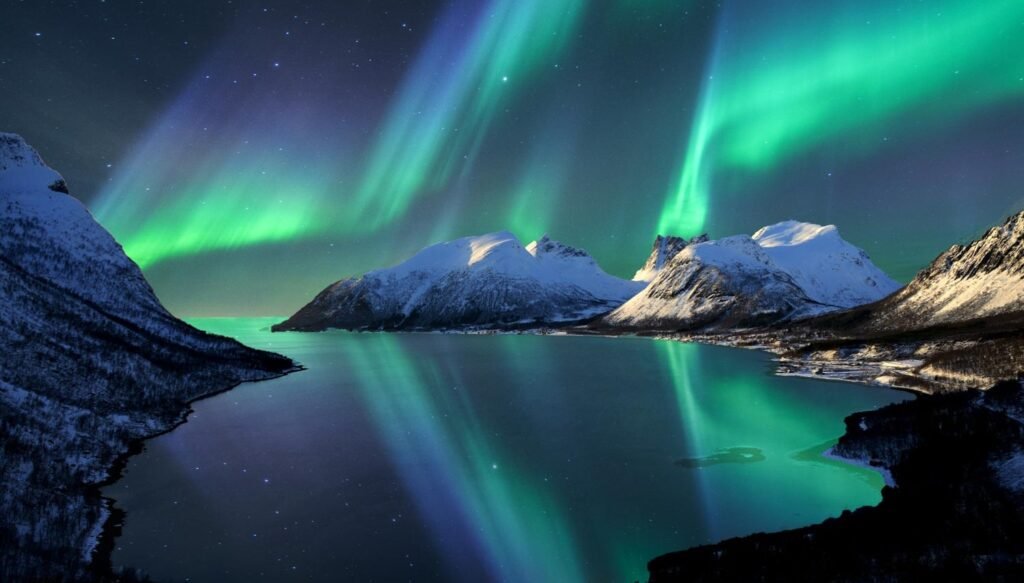
Best Time to Visit Norway at a Glance
When is the best time to go to Norway depends on your goals. Summer brings long days, open mountain roads, and warm hikes. Winter brings snow, the Northern Lights, and quiet cities. Spring and fall are sweet spots with lower prices and fewer crowds.
- For hiking, fjords, and road trips: late June to mid August.
- For the Northern Lights: late September to late March.
- For low prices and calm travel: May to early June, and mid September to October.
- For whale watching: November to January in the north.
Expect higher costs and crowds in July. Expect shorter days and icy roads in mid winter. Plan with daylight, weather, and your wish list in mind. When you ask when is the best time to go to Norway, think first about light and what you want to do.
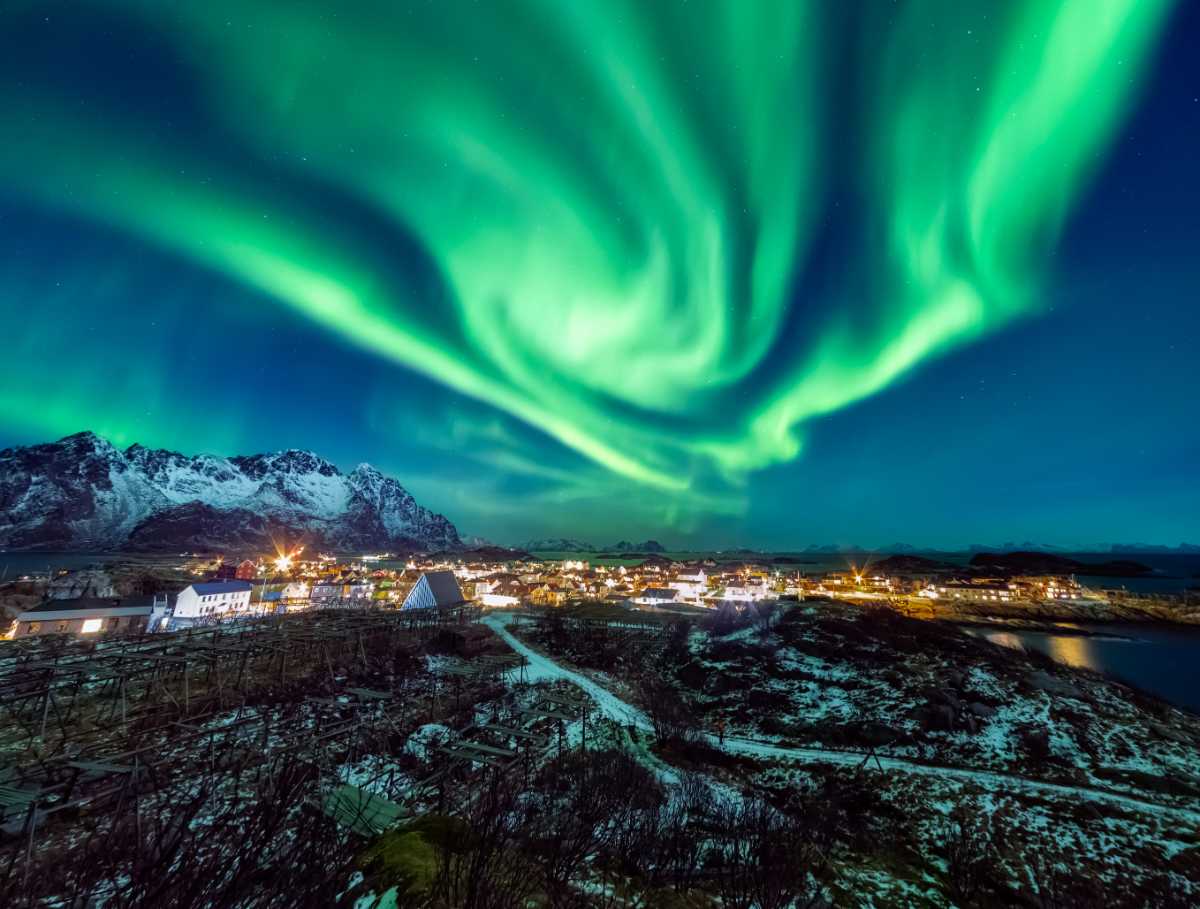
Norway by Season
Spring (April to early June)
Snow melts. Waterfalls roar. Cherry trees bloom in Oslo and Bergen. Trails at low and mid levels open by May. High alpine routes can hold snow into June. Prices are softer than peak summer.
- Best for city breaks, fjord cruises, and photography.
- Pack layers. Days can swing from cool to warm.
- Roads mostly open by May, but some mountain passes open in late May or June.
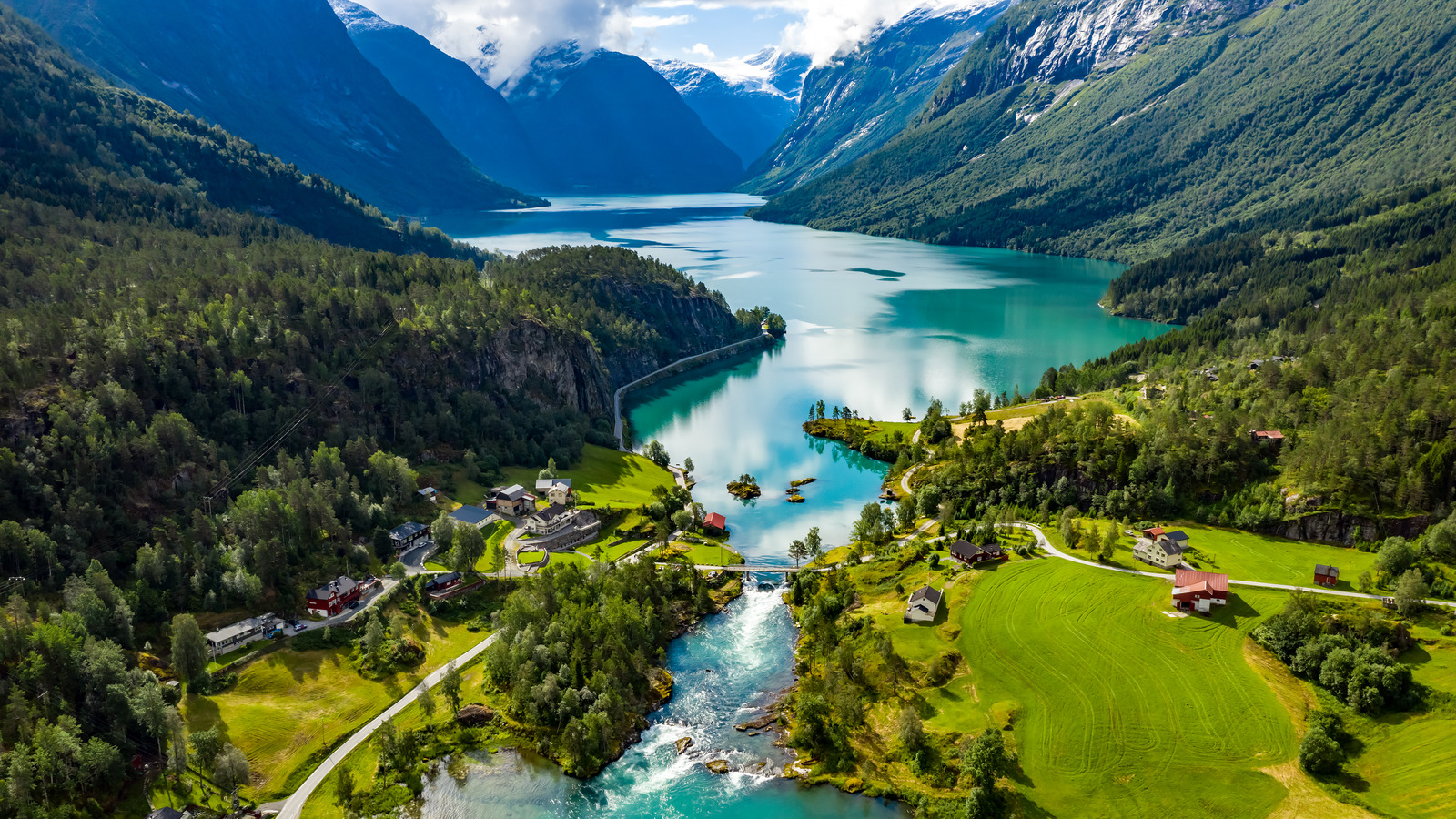
Summer (mid June to August)
This is prime time. The midnight sun shines above the Arctic Circle. Trails are dry. Ferries, lodges, and mountain roads run on full schedules. It is the easiest time to move around.
- Best for hiking, kayaking, and road trips.
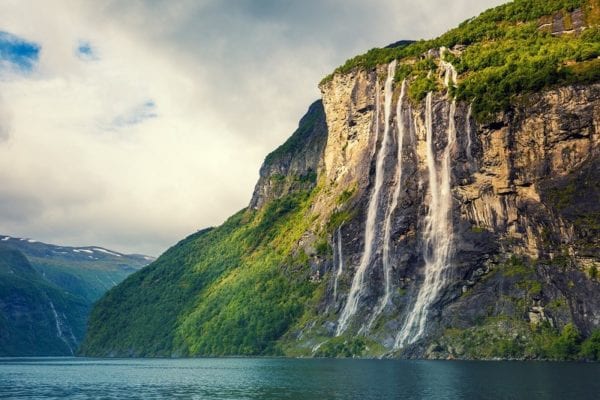
- Book early. July sells out in hotspots like Lofoten and Geiranger.
- Expect mild days, cool nights, and some rain. Bring a light shell.
Autumn (September to October)
Golden birch and red tundra paint the hills. Crowds fade. Prices drop. Nights grow dark, which helps aurora viewing in the north. Many huts and mountain buses close by early October.
- Best for fall colors, photography, and calm travel.
- Lofoten and Tromsø start aurora tours in September.
- Weather shifts fast. Pack warm layers and waterproof shoes.
Winter (November to March)
Think deep snow, polar nights in the far north, and cozy towns. This is top season for the Northern Lights. It is also best for skiing, dog sledding, and Sami culture.
- Best for aurora, winter sports, and festive markets.
- Very short days in December and January. Plan daytime sights well.
- Roads can be icy. Trains and flights are very reliable.
Month-by-Month Guide to Norway
- January: Dark, cold, and quiet. Great for aurora and skiing in the north and mountains.
- February: Clear, crisp days. Peak for Tromsø aurora and Arctic safaris.
- March: More light. Good snow. A fine balance for winter fun and aurora.
- April: Thaw at sea level. City blooms. Mixed conditions in the mountains.
- May: Long days return. Fjords surge. Great time before summer crowds.
- June: Trails open. Midnight sun in the north. Ideal for road trips.
- July: Peak warmth, peak crowds, peak prices. Reserve everything.
- August: Still great weather. Fewer crowds late in the month.
- September: Fall colors start. Nights darken. Aurora season returns.
- October: Bright foliage early. Cool temps. Calm travel and value.
- November: Dark, raw, and quiet. Strong aurora odds in the north.
- December: Holiday lights, snow, and short days. Magical in cities and resorts.
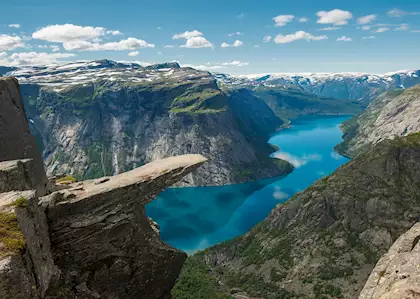
Regional Timing: Where and When It Shines
Oslo and the South
Best from May to September. Cafés spill outside. Islands in the Oslofjord invite swims on warm days. December is lovely for markets.
The Western Fjords (Bergen, Geiranger, Aurland)
June to August offers full ferry runs and open viewpoints. May and September are calmer and cheaper. Rain is common year-round. Bring a shell.
Lofoten Islands
Late June to August is best for hiking and surfing. September to March is best for aurora. May and September are superb for fewer people and clear light.
Tromsø and the Arctic Mainland
For aurora, aim for late September to late March. For midnight sun hikes, June and July shine. Expect snow cover from November to April.
Svalbard
High Arctic rules apply. Summer (June to August) brings 24-hour sun, boat trips, and wildlife. Winter and spring (February to May) bring polar night vibes, snowmobiles, and chances for aurora.
North Cape and Finnmark
July gives you ice-free roads and midnight sun. November to March gives you aurora and reindeer herds on white plains.

When Is the Best Time to Go to Norway for Specific Interests
When is the best time to go to Norway depends on your plans. Match your dates to your goal for the best trip.
- Northern Lights: Late September to late March. I have had my best shows in February and March with cold, clear nights.
- Hiking and trekking: Late June to mid August. Snow clears on high routes. Huts open. Trails are marked.
- Scenic road trips: June to early September. Mountain passes open. Ferries run often.
- Fjord cruises and kayaking: May to September. Peak flow and calm seas are common in early summer.
- Wildlife: Puffins from May to August. Whales in Tromsø and Vesterålen from November to January. Musk ox in Dovrefjell year-round with guides.
- Photography: Autumn for color. Winter for aurora. Summer for soft midnight sun.
- Budget travel: May to early June and mid September to October. You get good weather and lower rates.
If you still wonder when is the best time to go to Norway for a mix of hikes and culture, pick late August. You get light, open trails, and fewer crowds.
Weather, Daylight, Crowds, and Costs
Daylight rules Norway. North of the Arctic Circle, the sun never sets in summer and never rises for weeks in winter. Even in Oslo, daylight ranges from about six hours in December to almost 19 hours in June.
- Temperatures: Summer highs are mild, often 55–70°F. Winter can dip below 20°F in the interior and north.
- Rain: The west coast is wet year-round. Pack a waterproof jacket any month.
- Crowds: July is peak. Expect lines at famous lookouts and full parking lots.
- Prices: Hotels and cars cost most in July. Off-season deals can cut rates by 20–40%.
These patterns follow long-term climate data and tourism records. Use them to steer your plan. When is the best time to go to Norway for value and comfort? Aim for late May, early June, or mid September.
Practical Tips, Mistakes to Avoid, and Sample Itineraries
From my trips, a smart plan beats luck. Here is what works in the real world.
- Book key items early in July and August. Think cars, ferries, and iconic stays.
- Pack layers in every month. Merino base, fleece mid, and a shell.
- Do not chase the Northern Lights without checking clouds and KP index. Give yourself at least three nights.
- Respect driving times. Norway roads are scenic and slow. Add buffer time.
- Bring eye shades in summer above the Arctic Circle. It never gets dark.
Mistakes to avoid
- Doing too much. Pick one region per week.
- Underestimating distances. A 150-mile fjord drive can take five hours.
- Skipping insurance in winter. I have seen ice surprise even local drivers.
- Forgetting sun protection in June and July. The light is strong all day.
Sample itineraries
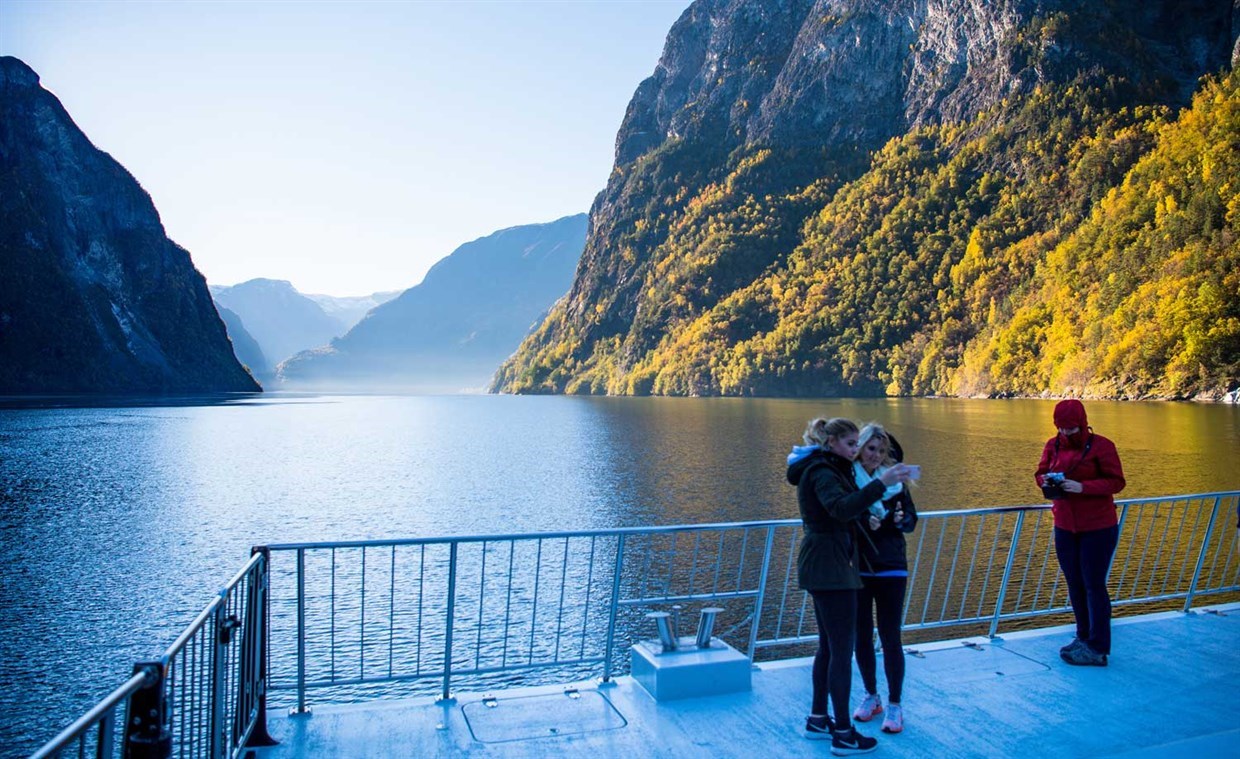
- Summer fjords, 7 days: Oslo to Flåm, Nærøyfjord cruise, Aurlandsfjellet drive, Loen skylift, Ålesund fly-out.
- Arctic aurora, 5 days: Tromsø base, two guided aurora chases, dogsled day, fjord scenic loop, sauna and sea dip.
- Lofoten, 6 days: Svolvær in, Henningsvær, Reinebringen hike, Kvalvika Beach, Nusfjord, photography sunset loops.
If your core question is when is the best time to go to Norway for this list, match it to these routes. For fjords and hikes, go late June to August. For aurora and snow fun, go November to March.
Frequently Asked Questions of when is the best time to go to norway
Is July the best month to visit Norway?
July is best for easy travel, long days, and open trails. It is also the most crowded and costly month.
Can I see the Northern Lights in October?
Yes. October has dark nights and fair odds, but weather can be wet. Give yourself several nights and check forecasts.
When is the best time to go to Norway for fewer crowds?
Aim for May, early June, or mid September to October. You get mild weather, open sights, and lower rates.
Is winter travel safe in Norway?
Yes, if you plan well. Roads can be icy, but rail and flights are reliable. Use winter tires and check road reports.
What is the cheapest time to go?
Late spring and fall shoulder seasons are cheapest. Avoid Christmas, New Year, and July if you are on a tight budget.
When is the best time to go to Norway for hiking?
Late June to mid August is prime. Trails are dry, huts open, and buses run to trailheads.
Will everything be open in April?
Cities are open, but some mountain roads and services are not. Check ferries, huts, and passes before you book.
Conclusion
Norway shines in every season, but not for the same reasons. Summer brings open roads and bright nights. Winter brings snow and the aurora. Spring and fall bring value, color, and calm. Decide what you want most, then set your dates to fit it.
Pick your season, book the key pieces, and go. If this guide helped you choose when is the best time to go to Norway, share it, subscribe for more travel deep-dives, or leave a comment with your dates and goals. I am happy to help you fine-tune your plan.