
DJI Mini 2’s max range is about 10 km, but expect 2–6 km.
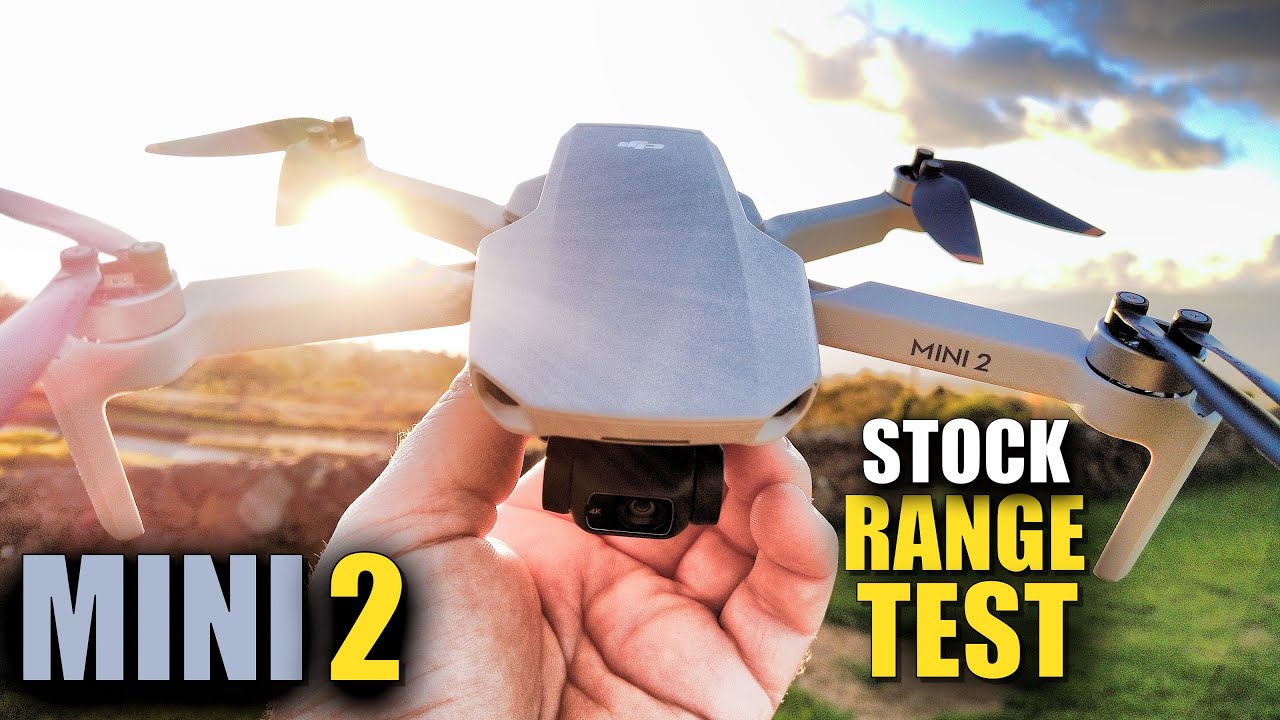
I have tested flying range of DJI mini drone 2. I use DJI Drone for my travel documentary and video vlog. have used Dji mini 2 drone before. I’ve flown this little workhorse in cities, coasts, and open fields. In this guide, I break down the spec sheet, the real limits, and the pro tips that actually help you go farther while staying safe and legal.
What the specs really say about range and distance
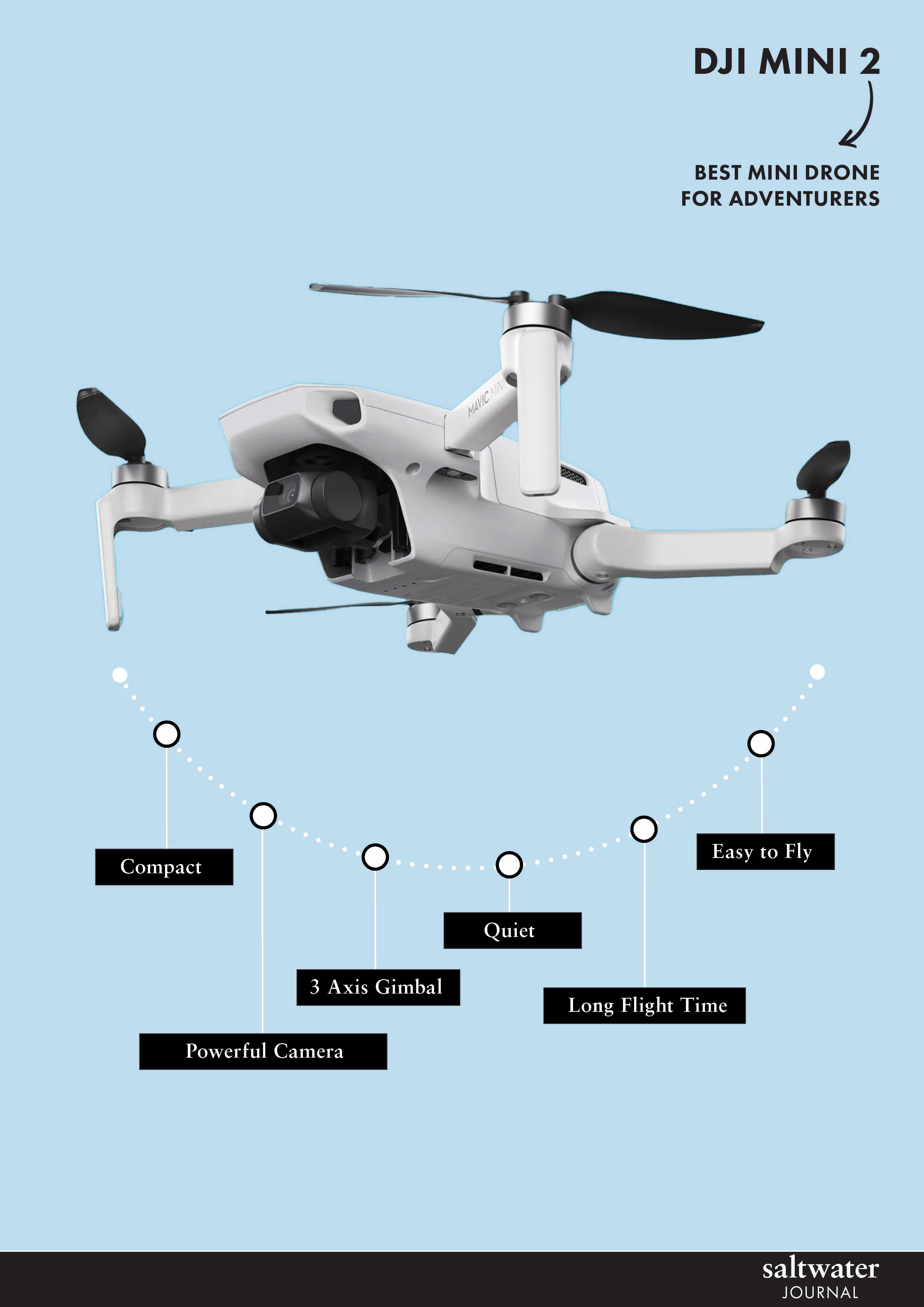
On paper, the DJI Mini 2 uses OcuSync 2.0 (O2) video transmission. The rated max range is up to 10 km under FCC rules and up to 6 km under CE rules. These numbers come from tests in open areas with no obstacles and very little interference.
Battery time sets the other hard limit. DJI lists up to 31 minutes in no wind. In real life, plan for 20–25 minutes. That means your safe one-way distance is far less than the transmission range because you must fly back, handle wind, and keep a reserve.
To turn this into simple planning:
- Use a 30-40-30 rule. Spend about 30% of your battery flying out, 40% returning, and keep 30% as a buffer.
- At 10 m/s (about 22 mph) in calm air with 20 minutes usable, your safe out-and-back range is roughly 6–8 km total. That is 3–4 km out, then back with margin.
- How far can a dji mini 2 drone fly in perfect conditions? Transmission can push 10 km on FCC. Battery and laws will usually stop you first.
Real-world factors that change how far can a dji mini 2 drone fly
Transmission range depends on the air around you. The Mini 2 is small, so small changes matter a lot.
Key factors:
- Interference: Dense Wi‑Fi, power lines, or cell towers can cut range to under 1 km.
- Obstacles: Trees, buildings, hills, and your own body block line of sight. Even a small ridge can kill signal.
- Altitude: Flying higher (within legal limits) improves the Fresnel zone and helps signal.
- Weather: Wind, cold, and high density altitude reduce battery and pushback speed.
- Antenna aim: The flat faces of the controller antennas should face the drone. Wrong aim can halve range.
- Mobile device and cable: A flaky cable or laggy phone hurts link quality.
From my flights:
- Over a quiet lake at 120 m AGL on FCC, I held a clean feed past 5 km, then RTH kicked in due to battery.
- In a downtown park on CE, I hit heavy Wi‑Fi and struggled past 900 m. Climbing 30 m helped signal a lot.
So, how far can a dji mini 2 drone fly in your area? In open country, 3–6 km is common. In cities, 0.5–2 km is more realistic.

Battery life, RTH, and smart distance planning
Range is pointless if you cannot get home. The Mini 2 has smart Return-to-Home (RTH) features:
- Low-battery RTH: The drone calculates the power needed to return. It will start home early if you push the edge.
- Failsafe RTH: If the link drops, it climbs to your set RTH height, then returns.
- RTH speed: It flies near cruising speed. Headwinds can slow it down a lot.
Planning tips I use:
- Set an RTH altitude that clears the tallest obstacle by a safe margin. Do not set it too high or you waste battery climbing.
- Note wind at altitude. Tailwind out means headwind back. I add extra buffer when winds aloft are strong.
- Fly out into the wind when possible. Return with a tailwind.
- Watch the distance-to-home and battery percent together. Be conservative.
A quick rule of thumb:
- If ground speed home is under 6 m/s and you are far out, turn back early.
- Keep the last 25–30% battery as non‑negotiable reserve.
This is the simplest way to answer how far can a dji mini 2 drone fly and still get home safely.
Legal and safety limits you must respect
Technical range is not the same as legal range. Most countries require you to keep visual line of sight (VLOS). Beyond visual line of sight (BVLOS) is usually not allowed without special approval.
Know your region:
- FCC vs CE: FCC areas often allow stronger transmission power than CE regions, which affects rated range.
- VLOS: In clear air, you may lose sight of a Mini 2 after 500–800 m. That is the practical legal limit for many pilots.
- Altitude limits: Many places cap altitude at 120 m (400 ft) AGL.
- Remote ID: In the US, recreational flights under 250 g do not need Remote ID. Under Part 107, even sub‑250 g drones need Remote ID or a module.
- No‑fly zones: Check for geofencing, airports, and local ordinances.
So, how far can a dji mini 2 drone fly by law? Often, as far as you can see it. That is much shorter than the radio link.

Techniques to maximize how far can a dji mini 2 drone fly safely
Small steps make a big difference:
- Pick a clean site: Open fields, beaches, and lakes beat busy Wi‑Fi zones.
- Gain legal height: Higher altitude improves signal clearance.
- Antenna aim: Keep the flat faces of the controller antennas pointed at the drone. Do not point the tips at it.
- Channel choice: In rural areas, 2.4 GHz often goes farther. In cities, try 5.8 GHz to dodge Wi‑Fi.
- Phone and cable: Use a short, clean cable. Close background apps.
- Battery care: Start warm and full. Cold packs sag fast. Swap early.
- Prop health: Nicked or warped props waste power.
- Firmware updates: Transmission and RTH logic improve over time.
What about range extenders? Parabolic reflectors can focus energy, but they narrow the beam and can make aiming tricky. They may also conflict with local rules. Fly legal. Skill and site choice beat gadgets most days.
These steps help answer how far can a dji mini 2 drone fly in the real world: farther than before, and with less risk.
Use cases and practical distance scenarios
Here are real scenarios that mirror common flights:
- Coastal cruise: With onshore breeze and clear line of sight, 3–5 km out-and-back is doable with care.
- Rural farmland: Low noise floor and flat terrain can allow 4–6 km total with solid signal.
- Mountain valley: Range drops fast due to ridges. Keep high, stay centered, expect 1–2 km.
- Urban park: Wi‑Fi and buildings limit you to 0.5–1.5 km. Gain height and keep the drone in view.
- Over water: Signal is great, but wind can be sneaky. Watch for stronger headwinds on the way home.
From my own logs, the best blend of safety and distance is a clean rural site, 90–120 m AGL, and a steady cruise speed. If you ask how far can a dji mini 2 drone fly here, a 3–4 km outbound leg with a planned RTH is very achievable, then land with 25–30% left.

Troubleshooting short range and weak signal
If your range is much worse than expected, try this:
- Check antenna aim: Turn your body and controller so the flat faces aim at the drone.
- Move up and away: Gain 20–40 m altitude and step to higher ground.
- Change bands: Switch between 2.4 GHz and 5.8 GHz. Try a manual channel with low noise.
- Reduce clutter: Remove tablet cases or metal mounts that block antennas.
- Refresh links: Reconnect the cable, restart the app, and relink the controller.
- Inspect hardware: Replace damaged props. Update firmware. Use a known-good cable.
- Fly a different site: If the noise floor is high, no setting will fix it. Pick a cleaner area.
These steps usually restore a clean HD feed and help you see how far can a dji mini 2 drone fly under better conditions.
Frequently Asked Questions of how far can a dji mini 2 drone fly
Is the 10 km spec realistic?
It is possible in clear, rural FCC areas with no obstacles and low noise. Battery, wind, and VLOS rules will stop you long before 10 km in normal flights.
How far can I fly and still see the Mini 2?
Most pilots lose visual line of sight between 500 and 800 meters. Bright strobes can help, but VLOS rules still apply.
What happens if I lose signal at long range?
Failsafe RTH will trigger. The drone climbs to your set height and returns to the home point, then lands if needed.
Does wind change how far I can go?
Yes. A headwind on the return leg can drain the battery fast and slow your ground speed. Plan to fly out into the wind and come back with a tailwind.
Can range extenders help?
They can focus the signal and help in some cases, but they narrow the aim and add setup time. Good site choice and proper antenna aim often deliver better results.
Is the Mini 2 good enough for long coastal shots?
Yes, with calm weather and clear air it does well. Keep it high, watch wind, and set conservative RTH margins.
How far can a dji mini 2 drone fly on CE power?
In clean, open areas, 2–4 km is common, and up to 6 km is possible. Urban noise will cut that down a lot.
Conclusion
The DJI Mini 2 can link out a long way, but the real limit is a mix of battery, wind, terrain, and the law. In everyday flying, expect 1–2 km in cities and 3–6 km in open country while keeping strong reserves and VLOS. With smart planning, careful antenna aim, and good site choices, you will stretch each flight farther and bring the drone home with confidence.
Try these tips on your next session. If this helped, subscribe for more field‑tested guides, or drop a comment with your own range results and what worked best.