

A morning wandering Haga’s streets, a coffee break without rushing, and an afternoon by the water—that’s how I’d begin a visit to Gothenburg. Rather than fill every hour with attractions, I’d leave space for the cafés, neighborhoods, and ferry journeys that make Sweden’s west-coast city worth exploring.
In this Gothenburg Travel Guide, I share how I’d organize three days: one for the city center and Haga, another for museums or family attractions, and a third for the nearby islands. I’d check ferry schedules before choosing an island, since connections and services vary by destination and season.
If I were flying from the United States, I’d consider a fourth day for a gentler start after the overnight journey. Before booking, I’d compare total travel times and airport connections—not just ticket prices—and check current Swedish entry requirements for my passport. From choosing a hotel area to budgeting in Swedish kronor, my approach is simple: settle the practical details early and leave more time to enjoy the city.

“Planning to explore beyond Guthenburg? In my guide to the Best places to visit in Sweden, I share destinations to consider for the next part of your journey.”
Gothenburg at a Glance
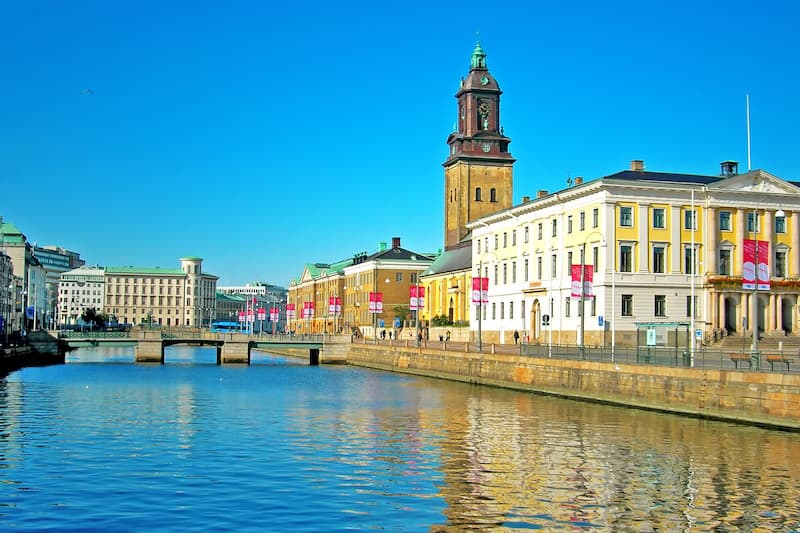
Gothenburg, called Göteborg in Swedish, is a port city on Sweden’s west coast. It suits travelers who want walkable neighborhoods, seafood, museums, and access to coastal islands without changing hotels.
The city center is compact enough to explore on foot, but trams and ferries extend your reach. Local weather can shift during the day, so leave room to swap an outdoor plan for a museum.
| Planning question | Practical answer |
|---|---|
| How long should you stay? | Three full days for a balanced first visit |
| Do you need a car? | Usually not for the city or southern archipelago |
| What currency is used? | Swedish krona, abbreviated SEK |
| What language is spoken? | Swedish; English is widely used in tourist settings |
| Which airport serves the city? | Göteborg Landvetter Airport, airport code GOT |
| What is the main rail station? | Göteborg Centralstation |
| What time zone is used? | Central European Time, with seasonal daylight saving |
Gothenburg and Göteborg refer to the same city. Search both names when checking train tickets, maps, and attraction websites.
When Is the Best Time to Visit Gothenburg?
June through August offers the broadest scope for outdoor sightseeing and island trips. May and September can suit travelers who prefer a less busy city, though weather and seasonal schedules need closer attention.
Choose your dates based on what you most want to do, rather than temperature alone.
| Season | Best suited to | Main trade-off |
|---|---|---|
| May | Parks, city walks, and a spring break | Cool days and limited seasonal schedules |
| June–August | Island trips, long evenings, and outdoor dining | Higher demand around events and holidays |
| September | Museums, food, and a quieter city break | Shorter days and cooler coastal weather |
| October–April | Indoor sights and selected holiday events | Short daylight hours and more weather-dependent plans |
Pack a rain shell, layers, and shoes with good grip in any season. An umbrella can be awkward on an exposed ferry deck or windy waterfront.
If Liseberg or a specific festival is central to your trip, check its calendar before you book flights. An attraction’s summer and holiday opening periods do not mean it operates every day throughout the year.

Getting to Gothenburg from the United States
Compare flights to Landvetter with an onward rail route through Copenhagen or Stockholm. The best choice depends on the total travel time, connection risk, and whether you want to visit another city.
Do not assume a nonstop flight from your U.S. departure airport will be available. Airline routes change, and a low fare may involve a long layover or a separate ticket with little protection if the first flight runs late.
Arriving at Landvetter Airport
Landvetter is outside the city center. Scheduled airport coaches and taxis provide ground transport; the airport does not have a direct passenger rail station.
Use the official Landvetter Airport website to check current transport options. Allow for baggage claim, traffic, and the walk from your stop to your hotel.
Before boarding an airport coach, confirm:
- The destination and stop closest to your hotel.
- The last departure that fits your arrival.
- Whether your ticket is valid for a specific service.
- Whether luggage or child-ticket rules affect your group.
Do not assume an airport coach is covered by a city transit ticket. Airport transfers and local transport can use different fare systems.
Arriving by Train
Göteborg Centralstation is a useful arrival point for travelers staying downtown. It sits beside the Nils Ericson bus terminal and close to local tram and bus stops.
If you pair a flight with a separate train ticket, leave a generous buffer. A delayed flight may not entitle you to a free change on the rail booking.

“Adding Sweden’s capital to your itinerary? Explore my guide to the Best things to do in Stockholm for historic neighborhoods, waterfront walks, and museums to build your visit around.”
Where to Stay in Gothenburg
Choose your neighborhood by how you plan to spend your evenings and how much walking you want to do. For a short first visit, a central hotel usually saves more time than a cheaper room far from the sights.
The areas below offer different balances of access, atmosphere, and noise.
| Area | Good fit for | What to check before booking |
|---|---|---|
| Central Station and Nordstan | Short stays, rail arrivals, early departures | Street noise and the exact hotel entrance |
| Inom Vallgraven, within the moat | First-time visitors who want to walk to shops and sights | Room size, price, and nightlife nearby |
| Avenyn and Lorensberg | Restaurants, art, and evening entertainment | Noise from bars or busy streets |
| Haga and Linné | Cafés, neighborhood walks, and access to Slottsskogen | Walking distance from your transit stop |
| Eriksberg and Lindholmen | Waterfront stays and a less central base | Evening ferry or bus service and transfer needs |
For a two- or three-night stay, central access is often worth a modest premium. Check whether breakfast is included, since that can change the real cost of two similar rooms.
If stairs or walking distances are a concern, ask the hotel about its entrance, elevator, and route from the nearest stop. A central address does not guarantee step-free access.

The Best Things to Do in Gothenburg
Build your visit around a few distinct experiences rather than a long attraction list. A neighborhood walk, one major museum, and a coastal outing give a first trip a useful mix.
Walk Through Haga
Haga is known for its older buildings, cafés, and pedestrian-friendly main street, Haga Nygata. Visit for a coffee break and a slow walk, not a full day of sightseeing.
Try fika, the Swedish custom of pausing for coffee and something to eat. Cinnamon buns are common, but there is no need to order an oversized one unless you plan to share.
Nearby Skansen Kronan offers elevated city views. The climb involves slopes or steps, so skip it if those would make the walk difficult.
Explore the Center and Canals
Link the central canals, the shopping streets within the moat, and the waterfront on foot. This is a good first-day plan because you can shorten it if jet lag sets in.
Trädgårdsföreningen, the Garden Society of Gothenburg, adds a green break near the center. Check access and opening hours for any indoor spaces you want to visit.
Choose a Museum That Fits Your Interests
The Gothenburg Museum of Art, at Götaplatsen, is a strong choice for visitors interested in Nordic and European art. Göteborgs stadsmuseum, the City Museum, offers context for the city and its development.
Check each museum’s own website for opening days, admission, and temporary gallery closures. Do not build a Monday itinerary around a museum without confirming that it opens that day.
Visit Liseberg or Universeum
Liseberg is the city’s major amusement park. It suits travelers who want rides, games, or a seasonal event, but its calendar and ticket types require advance attention.
Universeum is a science center with exhibits that include living environments and science displays. It offers an indoor option for families and curious adults.
These attractions are near each other, but doing both in one day can be tiring and costly. Choose one unless both are priorities.
Spend Time in Slottsskogen and the Botanical Garden
Slottsskogen is a large city park suited to walking and an unhurried break. The nearby Gothenburg Botanical Garden offers a different setting, with planted collections and paths.
Some sections may be affected by maintenance, weather, or construction. Use the Botanical Garden’s official website to check visitor access before making a special trip.
Plan a Seafood Meal
Fish and shellfish are closely tied to Gothenburg’s coastal food culture. Feskekörka, the city’s distinctive fish-market building, is one place to investigate, alongside seafood restaurants elsewhere in town.
Check current vendors, menus, and opening hours before you go. Market stalls and restaurants may keep different hours.
For allergies, tell staff the exact food you must avoid and ask about cross-contact. A menu label alone may not answer that question.
How to Visit the Gothenburg Archipelago
Set aside most of a day for the southern archipelago, and choose one island for a first visit. Ferry travel, waiting time, and walks from the landing can fill more of the day than a map suggests.
Styrsö, Brännö, and Vrångö are common choices for coastal walks and village scenery. Most visitors do not need to take a car to explore the southern islands.
Plan the Trip in This Order
- Choose your outing. Decide whether you want village walks, a longer nature walk, or a beach stop.
- Check the full route. Saltholmen is a key departure point, but some sailings may use other piers.
- Confirm the fare. Check whether your ticket covers each bus, tram, and ferry leg.
- Read the return timetable first. Pick a preferred return and an earlier backup.
- Check conditions that morning. Wind, service changes, and limited island opening hours can alter the plan.
Use Västtrafik’s official journey planner for routes and service notices. Do not rely on an old blog timetable or a screenshot saved months before your trip.
Bring water, a snack, a charged phone, and a windproof layer. If you need a step-free route, confirm the specific vessel, pier, and walking route rather than assuming all island services offer the same access.
The key decision is not which island has the longest list of sights. It is which one fits your walking pace and leaves a comfortable margin for the return.
A Practical Three-Day Gothenburg Itinerary
Keep the island day movable so you can use the best weather window. The plan below groups nearby sights and leaves room for a slower meal or an unexpected shower.
Day 1: City Center, Haga, and Fika
Start with a walk through the center and along the canals. Add Trädgårdsföreningen if you want a quiet stop near the main shopping streets.
Spend the afternoon in Haga, then continue toward Linné for dinner. If you have just arrived from the U.S., keep this day light and avoid prepaid evening plans.
Day 2: Art, Science, or Rides
Choose one main attraction: the Museum of Art, Universeum, or Liseberg when open. Plan the rest of the day around that choice rather than rushing between all three.
If you prefer a lower-cost day, combine a park walk with a single museum. In poor weather, use two indoor stops with a long lunch between them.
Day 3: The Southern Archipelago
Take an early enough departure to allow a relaxed island walk. Keep lunch plans flexible unless you have confirmed a café or restaurant will be open.
Return well before the last workable connection. If weather or service notices make the outing unwise, switch to the City Museum and a food-focused afternoon.
For two days, choose either the islands or a full attraction day. Trying to fit both around arrival and departure can turn a short break into a transport schedule.

How Much Does a Gothenburg Trip Cost?
Budget separately for lodging, food, local travel, and paid sights. Accommodation and dining choices will usually create the biggest differences between travelers.
The figures below are illustrative planning allowances, not verified current prices. They exclude flights, hotels, airport transfers, shopping, and alcohol.
| Travel style | Daily allowance per adult | Planning assumption |
|---|---|---|
| Cost-conscious | SEK 650–1,000 | Simple meals, local travel, and mostly free sights |
| Moderate | SEK 1,100–1,700 | Casual restaurant meals, transit, and a paid attraction |
| Higher-spend | SEK 2,000+ | More restaurant dining, taxis, and paid activities |
Replace these allowances with live prices before booking. A theme park day or a long restaurant dinner can change the total.
A Sample Three-Day Budget
For one traveler, a hypothetical calculation might be:
- Daily spending: SEK 1,200 × 3 days = SEK 3,600
- Lodging: SEK 1,500 × 3 nights = SEK 4,500
- Subtotal: SEK 8,100, before flights and airport transfers
These are sample inputs, not market averages. Two adults sharing that room would split the lodging cost, but not their meals or attraction tickets.
To estimate the U.S. dollar cost, divide the SEK total by the current number of kronor per dollar. Then account for any card fees.
Ways to Control Costs
Walk between nearby sights, compare individual transit tickets with time-based options, and check whether your hotel includes breakfast. Grocery stores can help with picnic meals and island-day supplies.
If you consider a sightseeing pass, total only the attractions you will realistically visit. A long list of included sights does not guarantee a saving.
Getting Around, Paying, and Staying Safe
Use walking and public transit for most city trips, and carry a backup payment method. A rental car adds parking costs without much benefit for a typical central stay.
Public Transportation
Västtrafik operates the regional public transport network. Fares depend on the ticket, zones, and validity period.
Before travel, check how your chosen ticket is purchased, activated, and validated. Do not assume every vehicle sells tickets onboard or that every bank-card payment method works across the full network.
Cards, Currency, and Tipping
Cards are widely used in Sweden, and some businesses do not accept cash. Carry two payment methods, ideally stored separately, and know your card PIN.
When a terminal offers payment in U.S. dollars or Swedish kronor, choosing SEK generally leaves conversion to your card network rather than the merchant’s conversion service. Check your issuer’s foreign transaction fees.
Tipping is optional rather than a standard U.S.-style percentage. A small tip or rounding up can acknowledge good service.
Safety and Emergency Help
Watch bags at stations, on busy trams, and in crowded nightlife areas. Keep your phone secure near the water, and avoid exposed rocks when waves or wind make footing uncertain.
Call 112 for emergencies in Sweden. For nonemergency medical advice, 1177 is Sweden’s health advice service; international callers should check its overseas dialing instructions.
If you swim, use a suitable public bathing area and assess conditions first. Cold water and slippery surfaces can pose risks even when the air feels warm.
Entry Rules and Practical Checks for U.S. Travelers
Confirm entry requirements before booking and again before departure. Passport rules, border systems, and airline document checks can change.
Passport and Schengen Rules
U.S. citizens can generally visit Sweden visa-free for short tourist stays of up to 90 days in any 180-day period across the Schengen Area, subject to entry conditions. Days spent in other Schengen countries count toward the same limit.
Schengen passport rules generally require a passport issued within the previous 10 years and valid for at least three months after the planned departure from the Schengen Area. Check the current details with the U.S. Department of State’s Sweden travel page.
Do not assume visa-free travel means no other authorization or border process applies. Use the official EU travel portal to check the status of ETIAS and the Entry/Exit System for your travel dates.
Power, Phones, and Health Coverage
Sweden uses 230-volt, 50-hertz electricity and commonly uses Type C and Type F plugs. Check each device’s input label: a plug adapter changes the connection, not the voltage.
Review your U.S. mobile plan’s roaming charges before departure. If you plan to use a local SIM or eSIM, confirm that your phone is unlocked and compatible.
Check overseas medical coverage and any limits in your travel insurance. Do not assume a U.S. health plan, including Medicare, provides routine coverage abroad.
Common Gothenburg Travel Mistakes
Most planning problems come from treating transport, opening hours, or weather as fixed. Build a little slack into each day.
- Overloading arrival day: Leave time for flight delays, hotel check-in, and jet lag.
- Assuming all transit is covered: Check airport coaches, fare zones, and ferry routes separately.
- Ignoring seasonal calendars: Confirm attraction dates before buying nonrefundable tickets.
- Choosing a hotel by price alone: Add the cost and time of daily transfers.
- Leaving the island return to chance: Save the timetable and identify a backup departure.
- Planning every hour outdoors: Keep a museum option for a wet or windy day.
A flexible plan is not an incomplete plan. In Gothenburg, it helps you use the weather rather than work against it.
Frequently Asked Questions
Is Gothenburg worth visiting instead of Stockholm?
Choose Gothenburg if you want a compact west-coast break with seafood, neighborhood walks, and island access. Choose Stockholm if royal sights and a larger concentration of major museums are higher priorities. Neither is a direct substitute for the other.
Can you visit Gothenburg as a day trip from Copenhagen?
It is possible, but the round-trip journey leaves limited sightseeing time and creates a long day. An overnight stay gives you more room for meals, delays, and an evening walk. Check current train schedules before deciding.
Is Gothenburg a good stop on a Scandinavian rail trip?
Yes. Its rail connections make it a useful stop when linking parts of Sweden, Denmark, and Norway. Check each cross-border journey separately, since engineering work and replacement buses can affect the route.
Can you store luggage before hotel check-in?
Ask your hotel first; many offer luggage storage, though policies vary. If you need station storage, verify current availability, hours, bag-size limits, and payment methods before relying on it.
Is Gothenburg suitable for travelers with limited mobility?
A visit can be planned around central hotels, accessible attractions, and public transport. However, older streets, steep viewpoints, island paths, and pier access vary. Confirm the whole route—not just the destination—with the operator or venue.
Sources, Verification Limits, and Planning Gaps
This guide provides a planning framework, not a live availability report. Live browsing was not available for this draft, so no current fares, schedules, hotel rates, or competitor pages were inspected. Budget figures are labeled estimates; changing details should be checked with the relevant official source.
Primary sources for final checks include:
- Gothenburg’s official visitor website: attractions, neighborhoods, and events.
- Västtrafik: public transport routes, fares, and accessibility.
- Landvetter Airport: airport services and ground transport.
- Liseberg: operating dates and ticket terms.
- Universeum: visitor information and opening hours.
- U.S. Department of State: U.S. traveler guidance.
- Official EU travel portal: European border-system information.
The following next-question map records practical needs inferred from the trip-planning task. These are not claims about measured search demand or gaps verified across competing articles.
| Next question | Reader stage and basis | Competitor coverage | Benefit and verification source | Priority and placement |
|---|---|---|---|---|
| Does my ticket cover the airport? | Arrival; inferred from separate transport services | Not checked | Avoid an invalid fare; airport operator and Västtrafik | High; airport section |
| What if the island return is disrupted? | During trip; inferred from ferry dependence | Not checked | Reduce missed connections; Västtrafik service notices | High; archipelago section |
| Is my full route step-free? | Before booking; inferred accessibility need | Not checked | Avoid an unusable transfer; hotel, venue, and operator | High; lodging and ferry sections |
| How do I turn SEK costs into a U.S. budget? | Before booking; inferred from the U.S. audience | Not checked | Make costs comparable; live exchange rate and card terms | Medium; budget section |
Conclusion: Build Your Trip Around Three Flexible Days
For a first visit, stay near the center, choose one major paid attraction, and reserve a weather-flexible day for the southern archipelago. You can see much of Gothenburg without a car or a packed schedule.
Start by checking flights and entry requirements. Then book your hotel, confirm attraction calendars, and leave the final island plan until you can see the weather and ferry service for your travel dates.