

Stockholm is a city I’d give myself time to discover on foot and from the water. I’d start among Gamla Stan’s narrow streets, pause for coffee and a cinnamon bun, then head toward the waterfront to see how the islands fit together. For me, the Best Things To Do In Stockholm combine its remarkable history with those quieter moments between attractions.
My first-visit shortlist includes the preserved 17th-century warship at the Vasa Museum, Stockholm City Hall, and a boat trip through the city’s island landscape. I’d balance those highlights with Swedish food, waterfront walks, and a museum that genuinely matches my interests—not simply another stop to check off.
If I were arriving on an overnight flight from the United States, I’d keep that first day flexible: a gentle walk, a proper meal, and an early night. I’d save timed-entry tickets and longer excursions for the following day, checking official opening hours and booking requirements before setting out.
“Planning to explore beyond Stockholm? In my guide to the Best places to visit in Sweden, I share destinations to consider for the next part of your journey.”
Plan Your Stockholm Visit Around These Priorities
For a first visit, spend two or three full days in Stockholm and group sights by area. Gamla Stan and the central waterfront work well together. Djurgården deserves a separate day if you want to visit more than one museum.
Stockholm spreads across islands linked by bridges, roads, and ferries. A place that looks close on a map may still require a bridge crossing or a boat ride. Check the route, not just the distance.
Use this table to choose what fits your trip. The time ranges are planning estimates, not official visit lengths.
| Experience | Best fit | Suggested time | Main constraint |
|---|---|---|---|
| Gamla Stan | First-time visitors and history fans | 2–3 hours | Cobbles, slopes, and busy lanes |
| Vasa Museum | Maritime history and a distinctive indoor stop | 1.5–2.5 hours | Popular during peak periods |
| Stockholm City Hall | Architecture and civic history | 1–1.5 hours | Interior access depends on tours |
| Skansen | Families and Swedish cultural history | 3–5 hours | Large outdoor site |
| ABBA The Museum | Pop music fans | 1.5–2 hours | Less compelling without an interest in ABBA |
| Fotografiska | Photography and contemporary culture | 1.5–2 hours | Experience depends on current exhibitions |
| Södermalm viewpoints | Views and a low-cost walk | 1–2 hours | Weather and uneven paths |
| Archipelago excursion | Islands, boats, and a slower pace | Half to full day | Seasonal schedules and return sailings |
If you have only one day, choose Gamla Stan and the Vasa Museum. Add a short waterfront walk rather than trying to cross the whole city.
The Best Things to Do in Stockholm
Explore Gamla Stan, Stockholm’s Old Town
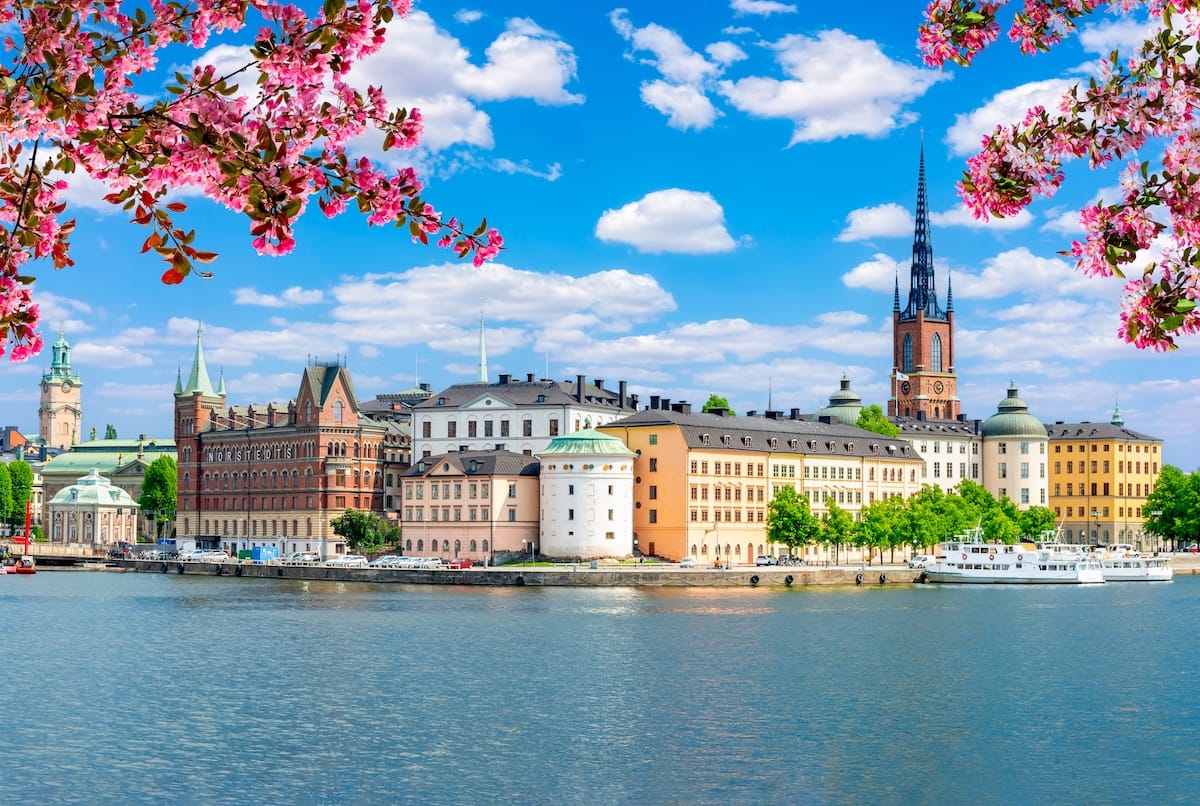
Gamla Stan is the best starting point for understanding Stockholm’s historic center. Walk through Stortorget, follow a few side streets, and make time for the waterfront rather than staying on the busiest shopping lanes.
This is also where you will find the Royal Palace, Stockholm Cathedral, and the Nobel Prize Museum. Choose one interior visit if you have a half day. Trying to see all three can turn a pleasant walk into a queue-to-queue schedule.
Wear shoes with good grip. Cobbles and narrow sidewalks can be tiring, especially with luggage, a stroller, or limited mobility.
See the Original Warship at the Vasa Museum
The Vasa Museum is the strongest single museum choice for many first-time visitors. Its central exhibit is the Vasa, a Swedish warship that sank on its maiden voyage in 1628 and was salvaged in 1961.
The ship’s scale is the main draw, but the surrounding exhibits explain why it sank and how it was recovered and preserved. Start with an overview of the ship, then use the displays to put what you see in context.
The museum is on Djurgården, close to several other major attractions. Pair it with a walk or one more museum, not a full list of indoor stops.
Official visitor details: Vasa Museum.
Tour Stockholm City Hall
Visit Stockholm City Hall for its architecture, ceremonial rooms, and link to the Nobel Prize banquet. The building stands beside the water on Kungsholmen, within reach of the central station area.
Plan the interior visit around the official guided-tour schedule. City Hall is a working civic building, so events and official business can affect access.
Treat the tower as a separate, seasonal option. Check its opening dates and access rules rather than assuming it is part of a standard visit.
Official visitor details: Stockholm City Hall.
Spend Time at Skansen
Skansen is a good choice if you want Swedish cultural history in an outdoor setting. Its historic buildings and farmsteads show aspects of life in different parts of Sweden.
The site also has animals, gardens, and seasonal programs. It works well for families, but it is not a quick add-on between museums.
Check the daily program before you arrive. Opening hours for individual buildings and activities may differ from the site’s overall hours.
Official visitor details: Skansen.
Visit ABBA The Museum if You Enjoy the Music
ABBA The Museum is worth prioritizing for fans of the group and visitors who like interactive music exhibits. Its appeal lies in the songs, costumes, and performance-based activities, rather than a broad history of Sweden.
Choose it because the subject interests you, not because every Stockholm itinerary includes it. If your time is short and you have little interest in ABBA, use those hours for another museum or a boat trip.
It is on Djurgården, which makes it easy to combine with the Vasa Museum or a nearby walk.
Official visitor details: ABBA The Museum.
Walk Through Djurgården
Djurgården is worth visiting even if you skip its ticketed attractions. Paths, trees, gardens, and waterfront views offer a break from central Stockholm’s busier streets.
A useful plan is one museum followed by an unhurried walk. Bring a layer, since open stretches near the water can feel cool even when the city center is warm.
Check routes before setting off if step-free access matters. Shortcuts through parkland may have different surfaces from main paths.
See Photography at Fotografiska
Fotografiska is a strong option for visitors interested in photography and visual culture. It hosts changing exhibitions, so the current program matters more than a fixed list of famous works.
Review the exhibitions before buying a ticket. That small step helps you decide whether the visit fits your interests and whether any content needs a closer look before a family visit.
Its Södermalm waterfront location also works well with a meal or a neighborhood walk.
Official exhibitions and visitor details: Fotografiska Stockholm.
Take in the View From Södermalm
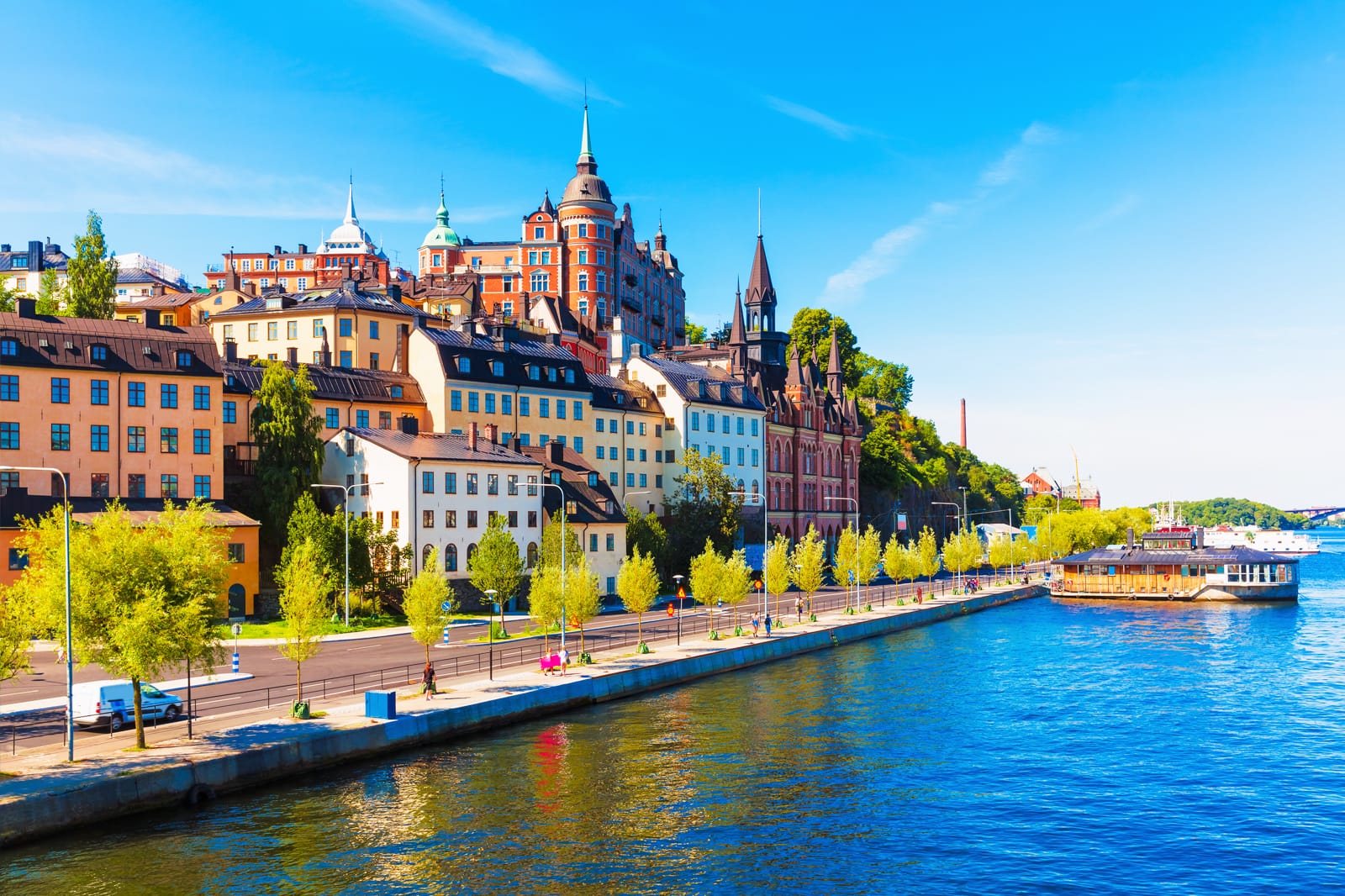
Södermalm offers some of Stockholm’s most rewarding city views without a museum ticket. Monteliusvägen is a well-known walking path overlooking the water toward City Hall and the old town.
Choose a clear part of the day and leave enough time to enjoy the view. In winter, daylight is brief, and icy surfaces can change which paths are practical.
Nearby streets have cafés and independent shops. This makes Södermalm a good place to slow down after a morning of major sights.
Ride a Ferry Through the City
A city ferry is an easy way to see Stockholm from the water without committing to a long cruise. The public ferry between Slussen and Djurgården can also serve a practical role in your itinerary.
Check the route and ticket rules with SL, Stockholm’s regional public transit operator. A boat’s central location does not mean it accepts an SL ticket.
Choose a ferry for transport and city views. Choose an archipelago excursion if you want to spend time beyond the central islands.
Official route and ticket information: SL.
Take an Archipelago Day Trip
An archipelago trip is most worthwhile when you have at least three days in Stockholm or want a full day focused on islands and water. Vaxholm is a practical option to investigate for a first island-town outing.
Compare a round-trip sightseeing cruise with a scheduled passenger boat. A cruise may offer a fixed route and commentary, while a scheduled service may give you time ashore. Their tickets and stopping patterns are not interchangeable.
Check the return sailing before you leave the city. Seasonal service, weather, and long gaps between departures can limit your options. A short central boat ride is often the better choice on a tight itinerary.
Official regional boat information: Waxholmsbolaget.
Make Time for Fika and Swedish Food
Fika is a social coffee break, often with a pastry. For visitors, it is also a useful way to build rest into a day of walking rather than treating every stop as a task.
Try a cinnamon bun or cardamom bun at a bakery. For a meal, look for Swedish dishes such as meatballs, cured salmon, or pickled herring if they suit your tastes and dietary needs.
Food halls such as Östermalms Saluhall let you browse several vendors in one place. Check opening hours, and do not assume every counter has the same seating or service.
A Practical Three-Day Stockholm Itinerary
Use the first two days for central Stockholm and Djurgården, then choose between an island trip and more city time. This keeps travel between stops manageable and leaves room for weather changes.
These plans are starting points. Confirm opening days and timed-entry slots before fixing the order.
Day 1: Gamla Stan and the Central Waterfront
Start in Gamla Stan while your energy is high. Walk through Stortorget and the side streets, then choose the Royal Palace, Stockholm Cathedral, or the Nobel Prize Museum.
After lunch, follow the waterfront toward City Hall. Take an interior tour if the schedule fits; otherwise, enjoy the exterior and nearby views.
End with dinner in the center or a short walk in Södermalm. If this is your arrival day from the US, skip the timed interior visit and keep the plan flexible.
Day 2: Djurgården and One Main Museum Pairing
Begin at the Vasa Museum. Then have lunch and choose either Skansen or ABBA The Museum based on your interests.
Skansen needs more time and involves more outdoor walking. ABBA The Museum is a more focused indoor visit.
Leave part of the afternoon open for Djurgården’s paths or a ferry ride. Two worthwhile stops are better than four rushed ones.
Day 3: Islands or Neighborhoods
For an island day, choose a sailing with enough time ashore and a clear return plan. Keep the evening free in case the outing takes longer than expected.
For a city day, combine Södermalm, Fotografiska, and a long lunch. This is also a useful place to move an indoor attraction if rain disrupted an earlier plan.
With only two days, skip the longer archipelago trip. You will get a fuller visit by exploring central Stockholm well.

“Planning a stop on Sweden’s west coast? My Gothenburg travel guide covers where to stay, what to explore, and how I’d plan a trip to the nearby islands.”
How to Get Around and Control Costs
Walk within neighborhoods and use public transit between them. Stockholm’s network includes the metro, buses, trams, and certain ferries, but ticket validity depends on the service.
Use the official journey planner before departure, especially for cross-city trips. Check the payment method as well as the route so that you board with a valid ticket.
Plan Your Airport Transfer Separately
If you land at Stockholm Arlanda Airport, compare the airport train, coach, taxi, and commuter rail based on your hotel location and total fare. The fastest station-to-station option is not always the simplest door-to-door trip.
Do not assume a standard city transit ticket covers the whole airport journey. Some rail journeys through Arlanda involve a separate station passage fee.
For taxis, confirm the fare terms before the ride. Use official airport guidance rather than relying only on an offer made in the arrivals area.
Official airport transport information: Swedavia’s Arlanda guide.
Compare Passes With Your Actual Plans
A sightseeing pass saves money only when its included attractions match the visits you will realistically make. Check whether transport, special exhibitions, reservations, and your intended boat trip are included.
Use this calculation:
Pass value = separate admission costs you would otherwise pay − pass cost − required extras.
For a hypothetical example, suppose three planned visits cost a total of 900 Swedish kronor, or SEK. A pass costing 850 SEK saves 50 SEK only if it covers all three visits without added charges. Skipping one attraction could erase that saving.
Budget in Swedish Kronor
Sweden uses the Swedish krona, not the euro. Check your US card’s foreign transaction fees before travel, and carry a backup payment method.
When a card terminal offers to charge you in US dollars or SEK, choosing SEK generally lets your card issuer handle the currency conversion. Your final cost still depends on the card’s fees and exchange terms.
To keep daily costs down, mix paid sights with park walks, viewpoints, and time by the water. Check restaurant lunch menus rather than assuming every meal must be a full-service dinner.

When to Visit and What Can Change Your Plans
Summer favors long walks and island trips; colder months favor a museum-led itinerary. No season removes the need to check opening hours and weather.
Late spring and summer bring long daylight hours and broader access to seasonal activities. They can also bring busy attractions and more demand for popular sailing times.
Fall and winter can work well for museums, cafés, and a slower city visit. Plan outdoor stops during daylight, and do not assume summer boat schedules or tower opening dates still apply.
Common Mistakes to Avoid
- Booking too much on arrival day. Leave room for flight delays and fatigue.
- Stacking major museums. Keep time for meals, transit, and the exhibits that hold your attention.
- Treating all boats as public transit. Confirm the operator and ticket.
- Leaving the return trip to chance. Check island departures before boarding.
- Assuming old streets are step-free. Review the actual route and venue access.
- Using old prices as a budget. Verify fares and admissions with official operators.
For visitors with mobility needs, ask venues about entrances, elevators, restrooms, and route surfaces. A general accessibility label may not answer the question that matters to your visit.
Near the water, keep children close at open quays and use operators that provide suitable safety equipment. Follow local notices for swimming, and do not enter unknown water or walk onto ice without appropriate local guidance.
Stockholm Travel FAQs
Do People Speak English in Stockholm?
English is widely used in visitor-facing settings, so most US travelers can manage routine sightseeing without Swedish. Keep key addresses and booking details saved on your phone in case communication or connectivity becomes difficult.
Can You Drink Tap Water in Stockholm?
Tap water is generally safe to drink. Carry a refillable bottle and follow any specific local notice at your accommodation or a public facility.
Do You Need to Tip in Stockholm?
Tipping is not expected in the same way it is in the United States. You may round up or leave an extra amount for good service, but a US-style percentage is not a default requirement.
Is Stockholm a Good Stop on a Cruise?
Yes, but build the visit around your actual port and all-aboard time. A berth in central Stockholm and an arrival at Nynäshamn require different transport plans. On a short call, prioritize one area instead of attempting the full city itinerary.
Is Drottningholm Palace Worth a Separate Trip?
Drottningholm Palace is worth considering if royal architecture and gardens are a priority. It sits outside central Stockholm and works better as a planned excursion than a spare-hour stop. Check palace access and transport before deciding whether it fits better than an archipelago day.
Sources, Verification Limits, and Editorial Scope
This is a central planning guide for US travelers choosing what to do in Stockholm. Recommendations reflect attraction type, location, and itinerary trade-offs, not firsthand testing or a universal ranking.
Live browsing was not available for this article. Current prices, schedules, exhibitions, and booking availability have therefore not been verified. The official links above are provided for those checks; they are not presented as pages inspected during this task.
Additional primary resources include the Royal Palaces, Nobel Prize Museum, and Visit Stockholm. No competing pages or site map were available for inspection, so competitor gaps and site relationships are not asserted.
Next-Question Gap Map
These are inferred planning needs, not verified search-demand findings. Competitor coverage remains not checked.
| Next question | Reader stage and basis | Reader benefit | Evidence or check needed | Priority and placement |
|---|---|---|---|---|
| What fits into two days? | Before booking; inferred from limited vacation time | Prevents an overloaded trip | Attraction locations and current hours | High; itinerary |
| Does my ticket cover the boat? | During planning; inferred from different operators | Avoids invalid tickets | SL and boat-operator ticket rules | High; ferry and transit sections |
| Can I return from the island that evening? | Before departure; inferred from schedule dependence | Reduces stranding risk | Date-specific return timetable | High; archipelago section |
| Will a pass save money? | Before purchase; inferred from bundled admissions | Prevents false savings | Current pass terms and separate prices | Medium; cost section |
| Is the route accessible for my needs? | Before booking; inferred from terrain and access limits | Supports a workable visit | Venue access details and route conditions | High; planning and limitations |
Conclusion
For a first Stockholm visit, prioritize Gamla Stan, the Vasa Museum, City Hall, and time by the water. Add Skansen, ABBA The Museum, or Fotografiska based on your interests, then reserve an archipelago day only if your schedule allows.
Choose your two anchor sights first. Check their official hours, group nearby stops, and leave space for a walk and fika. That balance will serve most visitors better than a longer checklist.