
About 1,000+ grizzlies in the ecosystem, 150–200 in the park, plus many black bears.
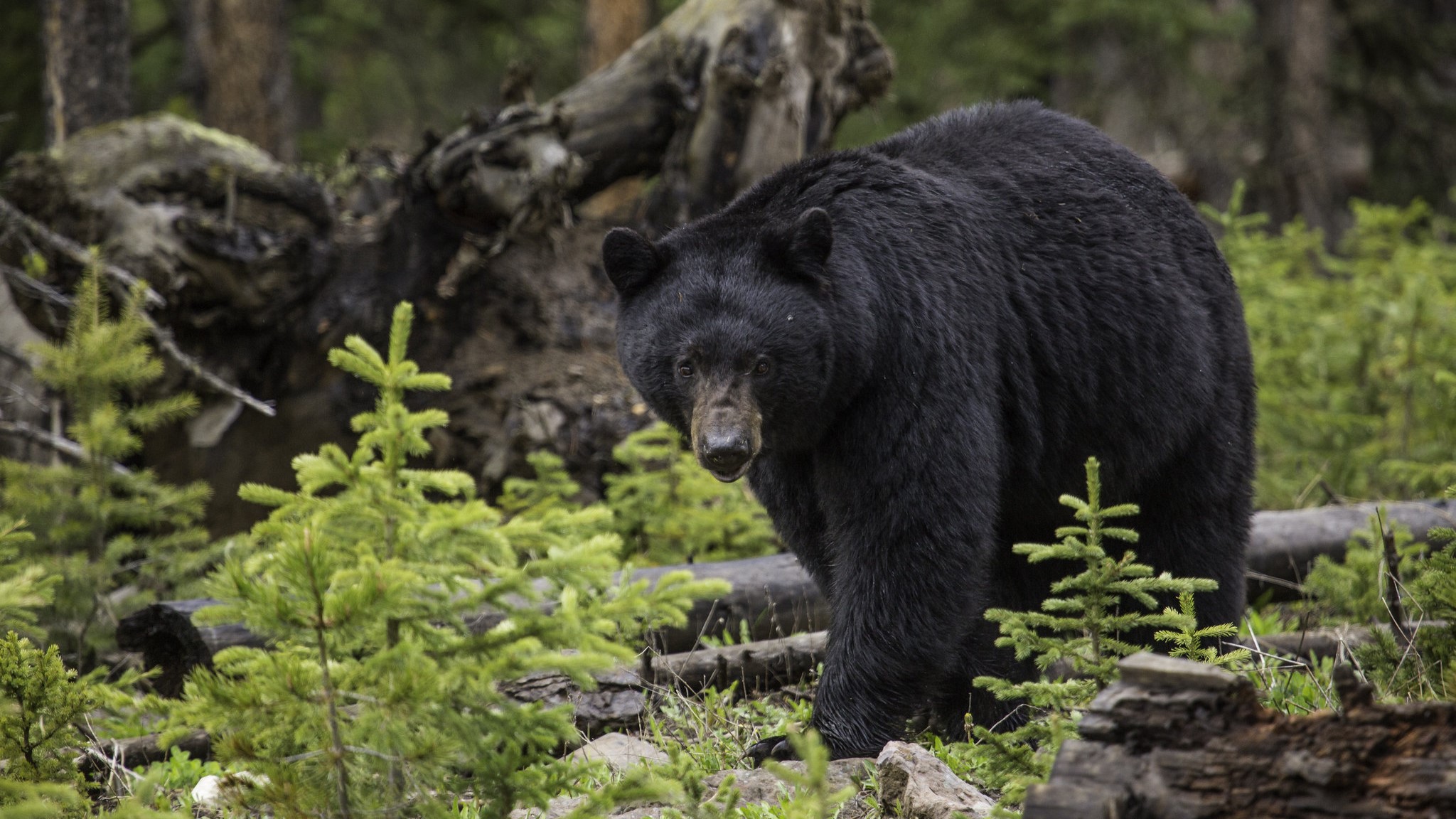
Last summer, Linda and I explored Yellowstone National Park. I was driving the car through the forest road, and Linda was very excited because she was enjoying the beautiful nature, mountains, and wild animals. After some time, we saw many cars stopped on the road. Linda looked confused and asked with a bored face, “Why is everyone stopped here on the road? I smiled and said, There is a big bear walking slowly near the forest. Linda was surprised and happy. She had never seen a bear so close before. Then she asked, “How many bears are in Yellowstone?”
That simple question made me curious. I wanted to know more about the bears in the park, how many there were, and why Yellowstone is one of the best places to see them.
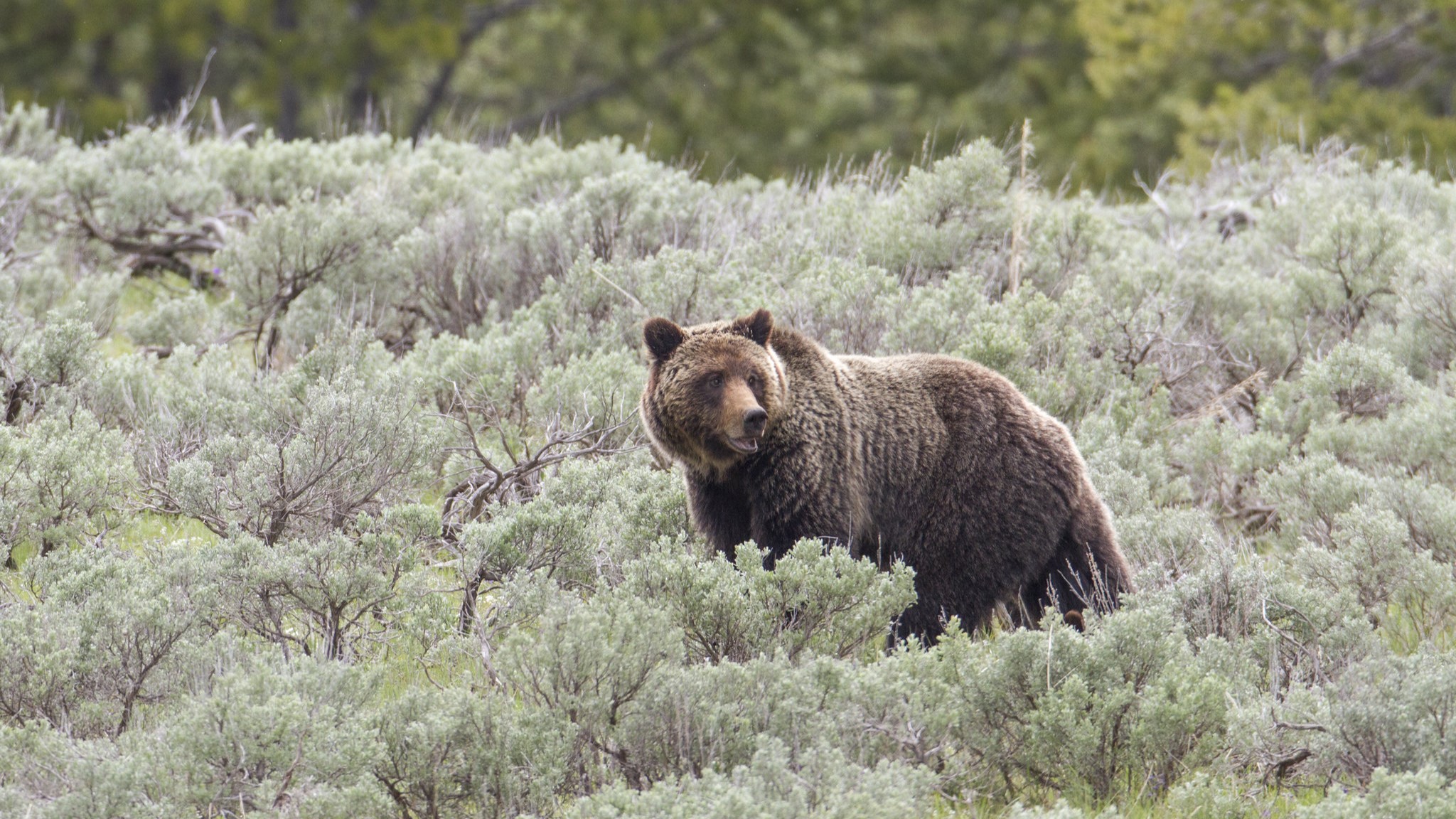
Understanding what “How Many Bears in Yellowstone” Really Means
When people ask how many bears in Yellowstone, they often mean the park. But bears do not read maps. They range across the Greater Yellowstone Ecosystem, which is far larger than the park itself. Many animals move in and out with the seasons.
It also matters which species you mean. Yellowstone has both grizzly bears and black bears. Grizzlies draw the headlines. Black bears are more common in forests and can be harder to count.
Think of it this way. The park is the heart. The ecosystem is the body. If you want to know how many bears in Yellowstone with real accuracy, you need to look at both.

Current estimates: grizzlies and black bears
Here is the best, current picture that reflects what biologists report and what you will see on the ground.
- Grizzly bears in the Greater Yellowstone Ecosystem: about 1,000 to 1,100. This number has been stable to slightly rising in recent years.
- Grizzly bears inside Yellowstone National Park at any time: about 150 to 200. Many move across park lines during the year.
- Black bears inside Yellowstone National Park: several hundred. The exact count is not known due to dense cover and wide ranges.
- Black bears across the full ecosystem: likely well over 1,000. The number is not fixed and shifts with food and habitat.
These ranges reflect field surveys, long-term studies, and years of observation. When people ask how many bears in Yellowstone, they want one simple number. Nature does not work that way. The ranges above are the most honest answer.
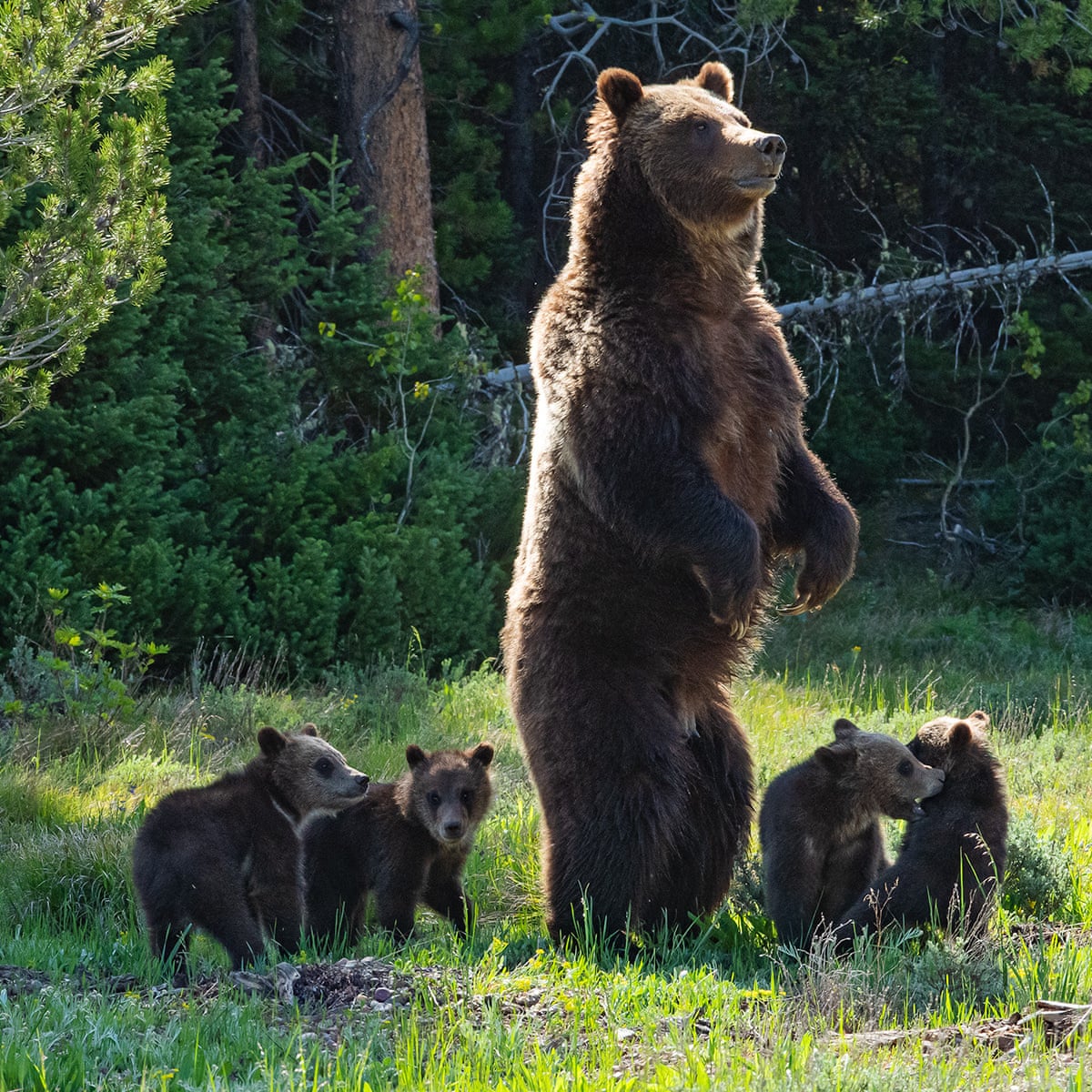
How scientists count bears in Yellowstone
You may wonder how many bears in Yellowstone can be counted at all. Bears roam huge areas. They do not line up for a census. Here is how experts do it.
- Unique females with cubs. For grizzlies, teams track female bears with newborn cubs each year. Using a tested math model, they scale that count to the full population.
- Collars and tags. A small set of bears wear GPS collars. This helps show range, birth, and death rates.
- DNA from hair. In some zones, hair snags and rub trees collect samples. DNA helps identify individuals.
- Remote cameras. Game cameras add proof in places that are hard to reach.
- Sightings and tracks. Trained crews log tracks, scats, and verified views to map where bears live.
These tools, used together, give a strong picture. They also build checks and reduce bias. That is why the answer to how many bears in Yellowstone comes with ranges and not a single hard count.
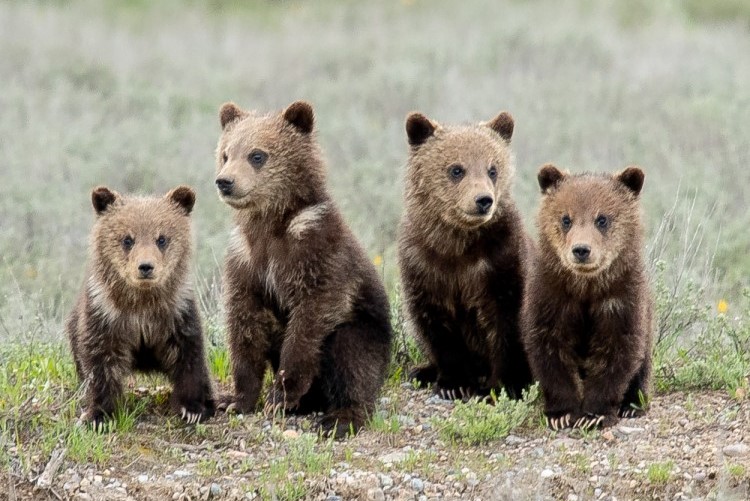
What shapes bear numbers: food, space, and people
Bear numbers rise or fall with food, room to roam, and how we act. If you ask how many bears in Yellowstone five years from now, the drivers below will tell you most of the story.
- Food. Grizzlies shift diets with the seasons. In spring, they feed on winter-killed bison and elk. Late summer brings berries and ants. Fall can bring pine seeds at high peaks. When key foods drop, bears move more and face more risk.
- Habitat. Healthy forests and open meadows give safe travel paths. Wild fire can open new foods, but also push bears closer to roads for a time.
- People. More people means more chance of conflict. Food left out by humans is a big risk. Good storage rules keep bears wild and alive.
- Climate. Warmer temps and pests have hurt whitebark pine. Fewer pine seeds push bears to other foods. That can change where they go and how often they meet us.
- Density. As the population fills prime habitat, growth can slow on its own. Biologists call this density dependence.
Together, these forces explain why how many bears in Yellowstone is not fixed. It is a living number that tracks a living system.
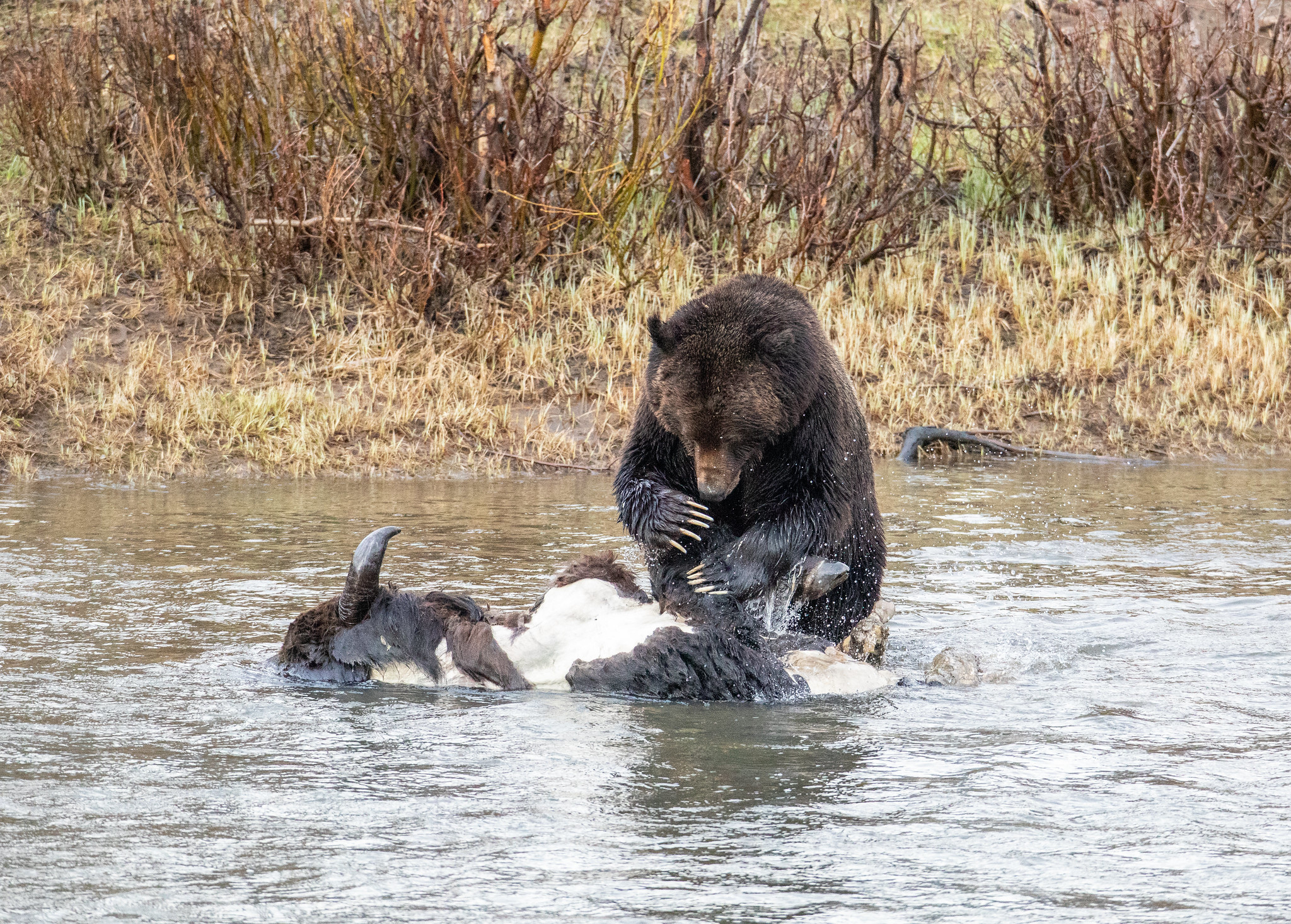
When and where to see bears safely
Many readers who search how many bears in Yellowstone also want to see one. You can. Do it the right way.
Best seasons
- Spring (April to June). Snow melts in the valleys first. Bears come out of dens and feed in open areas.
- Fall (September to October). Cool days and rich food bring more movement.
Best places
- Lamar Valley and Hayden Valley. Wide views make spotting safer and easier.
- Road corridors at dawn and dusk. Pull off in legal spots only.
- High country in late summer. Watch berry slopes and ridges at first light.
Field tips I share with friends and clients
- Carry bear spray and know how to use it. Keep it in reach, not in your pack.
- Stay 100 yards from bears. Use binoculars or a long lens.
- Hike in groups. Make noise in thick brush. Stay alert near creeks and in sage flats.
- Store food and trash the right way. In campgrounds, use bear boxes and locked cars.
- If a “bear jam” forms, keep lanes clear. Do not block the road or approach for a selfie.
These habits protect you and the bears you came to see.

Policy, protection, and the road ahead
Policy also shapes how many bears in Yellowstone. Grizzlies in the lower 48 are listed as threatened under federal law. Yellowstone grizzlies were proposed for delisting in past years. Courts sent those rules back. Reviews are ongoing. For now, grizzlies stay protected.
Black bears are not listed. They face hunting seasons in some states outside the park. There is no hunting in the park.
What to watch in the next five years
- Food trends. Whitebark pine health and berry crops will matter.
- Conflict rates. If conflicts rise, managers must remove more bears. That lowers numbers.
- Corridor plans. Safe paths across roads and towns help bears move and breed.
- Public behavior. A clean camp can save a bear. Education works.
If you track how many bears in Yellowstone year to year, check the latest reports each spring. Numbers can shift with births, deaths, and habitat changes.
Frequently Asked Questions of how many bears in yellowstone
How many bears in Yellowstone are grizzlies versus black bears?
The ecosystem has about 1,000 to 1,100 grizzlies. The park holds several hundred black bears, but exact counts vary by year.
Is the grizzly population still growing?
Growth has slowed and is near stable. Food limits and full habitats can cap further growth.
When do bears hibernate in Yellowstone?
Most bears enter dens in November and emerge from March to May. Females with new cubs tend to come out later.
Where are you most likely to see a bear?
Open areas like Lamar and Hayden Valleys at dawn or dusk are best. Bring optics and give bears lots of space.
How effective is bear spray?
Studies show bear spray stops charges over 90 percent of the time. Keep it handy and practice the draw.
Are grizzlies still protected by federal law?
Yes. Grizzlies in the lower 48 remain listed as threatened. Reviews of their status are ongoing.
How do scientists estimate how many bears in Yellowstone?
They combine sightings of females with cubs, GPS collars, DNA from hair, and camera data. Models scale those samples to a full estimate.
What is the safest distance to view a bear?
Stay at least 100 yards away. If a bear moves toward you, back off and give it the trail.
Conclusion
Yellowstone’s bear story is a recovery built on data, care, and respect. The best answer to how many bears in Yellowstone is clear yet humble: about 1,000+ grizzlies across the ecosystem, 150 to 200 in the park at any time, and several hundred black bears. The exact count shifts with food, space, and our choices.
If you plan a trip, learn, prepare, and model good habits. Carry spray, keep your distance, and store food right. Your actions today help keep these numbers strong tomorrow. Want more? Subscribe for new field tips, trip guides, and updates on wildlife science.