

Yes, you can sometimes visit the USA with a criminal record, but it depends.
I am a traveler, and I travel a lot. Because of this, I always try to learn the visa rules, regulations, and travel restrictions of the countries I visit. Many askes me question Can You Visit USA With Criminal Record? The answer is not easy and not complex either. Simply, Yes, you can sometimes visit the USA with a criminal record, but it depends.
In this blog writing, I have explained how US law treats past offenses, what visas or waivers you may need, and how to prepare. I also discussed what counts, what does not, and how to avoid costly mistakes when you try to visit the USA with a criminal record.

How US immigration law views criminal records
US law screens visitors for admissibility. A record can make you inadmissible under the Immigration and Nationality Act (INA). The key rules sit in INA 212(a)(2), which covers crimes, drugs, and related issues.
Here are core ideas in plain words:
- Crimes involving moral turpitude, often called CIMT, can trigger a bar.
- Drug offenses almost always cause issues. Even a small case can be a problem.
- Two or more convictions with total jail time of five years or more can bar entry.
- Fraud or misrepresentation to an officer is its own, harsh bar.
There are narrow exceptions. One is the petty offense exception for a single CIMT if the max possible jail was one year or less and the actual jail was six months or less. Juvenile offenses can be treated in special ways. But each case is fact specific.
This article is general info, not legal advice. Still, it will help you read your case with care and plan next steps. If you wonder can you visit usa with criminal record, you will find clear paths and limits here.

Visa Waiver Program vs visitor visa: which fits your case
Many ask can you visit usa with criminal record on ESTA. The Visa Waiver Program (VWP) lets citizens of certain countries travel without a visa for short trips. But VWP has strict rules. If you have ever been arrested or convicted for certain offenses, you may be ineligible to use ESTA.
If you have a criminal record, do not guess. Apply for a B1/B2 visitor visa instead. On the DS-160 form, you must disclose arrests and convictions. The interview allows an officer to review court records and decide if you are admissible or need a waiver.
Notes and edge cases:
- Canadian citizens do not need a visa for most visits, but they still face the same admissibility rules at the border. If needed, they apply for a waiver with Form I-192.
- Expunged or sealed records can still matter for US immigration. Be honest and bring proof.
- If ESTA denies you, do not try to reapply with different answers. Apply for a visa.
Using the right path matters. It is one of the best answers to can you visit usa with criminal record without risk.

Crimes that can block entry (and key exceptions)
Not all crimes are the same in immigration law. Officers look at the legal elements, not only the label.
Common bars:
- Crimes involving moral turpitude. Examples include theft, fraud, perjury, some assaults with intent, and some domestic violence offenses.
- Controlled substance offenses. Even one offense can cause a bar. Drug trafficking is very serious.
- Two or more convictions with total jail of five years or more.
- Prostitution, money laundering, and some organized crime links.
- Immigration fraud or false claims to US citizenship.
Important exceptions and notes:
- Petty offense exception. One CIMT, with a max possible jail of one year or less, and an actual jail term of six months or less, may not bar you.
- Juvenile offense exception. Some crimes committed under age 18, and over five years ago, may not bar you.
- DUI or DWI. A simple DUI is not a crime-based bar by itself. But a recent pattern of DUIs can trigger a medical review for alcohol use disorder. DUI with injury, drugs, or child endangerment can be treated as CIMT or worse.
If a bar applies, you may still seek a nonimmigrant waiver. This is often how the answer to can you visit usa with criminal record becomes a yes.
How decisions are made: consular officers and border checks
Two gates exist. First is the visa interview at a US embassy or consulate. Second is inspection by Customs and Border Protection (CBP) at the port of entry.
What happens at the consulate:
- You complete DS-160 and disclose all arrests and convictions.
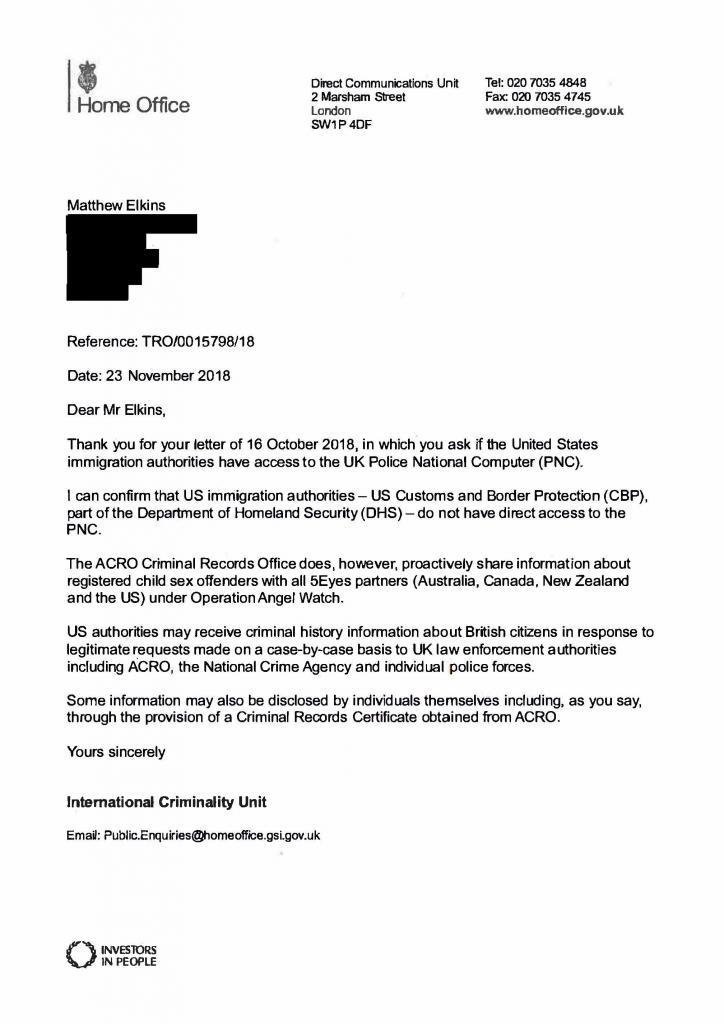
- You give fingerprints. Your record is checked across databases.
- You bring court records that list charges, statutes, outcomes, and sentences.
- The officer decides if you are admissible. If not, they may consider a waiver.
What happens at the border:
- Even with a visa, CBP makes the final call on each entry.
- CBP can ask about your record, trip plans, and ties to your home.
- Lying can cause a lifetime fraud bar. Always tell the truth.
In my work, the biggest factor is full, clear records. Clean, honest files help officers decide fast. If you ask can you visit usa with criminal record and avoid stress, start by owning your facts.
Step-by-step plan if you have a record
Use this simple plan before you book flights:
- Get certified court records. Include the statute, the max penalty, disposition, and sentence.
- Map your offense to immigration rules. Check if it is a CIMT, drug offense, or falls under an exception.
- Decide your path. If any doubt, skip ESTA. Apply for a B1/B2 visa.
- Prepare a short statement of facts. Be clear, not emotional. Own mistakes and show change.
- Gather proof of ties. Job letters, school proof, family ties, and return plans.
- Add rehab proof. Classes, counseling, community work, and reference letters help.
- Expect extra checks. You may need a medical exam for recent DUIs.
- If inadmissible, plan for a waiver. Build a focused, honest waiver case.
Follow this plan and your odds rise. It is a proven way to turn can you visit usa with criminal record into a workable plan.

Waivers and special pathways
If you are inadmissible, you can still seek a nonimmigrant waiver under INA 212(d)(3). This is a broad waiver used for visitors, students, and workers.
Key points:
- For most countries, the consular officer recommends a waiver after your interview. CBP’s Admissibility Review Office makes the final call.
- Canadians file Form I-192 with CBP. They do not need a consular referral.
- Officers use three factors from a well-known case. Risk of harm to society. Seriousness of your past. Purpose of your trip.
- Processing can take weeks to months. Plan ahead and avoid last-minute travel.
This waiver can forgive many, but not all, issues. Drug trafficking and security cases are very hard. Still, for many travelers asking can you visit usa with criminal record, a 212(d)(3) waiver is the bridge.
Practical examples from the field
These short cases show how details shape outcomes:
- One shoplifting case ten years ago. Max penalty was one year. Sentence was a fine. Petty offense exception applied. B1/B2 visa issued without a waiver. Traveler disclosed all facts and brought records.
- Two DUIs in five years. No injury. The officer sent the traveler for a medical exam. After a clean report and proof of treatment, the visa was issued. CBP allowed entry for a short trip.
- Small drug possession five years ago. The traveler needed a 212(d)(3) waiver. We showed stable work, family ties, and a clear trip plan. Waiver approved for one year with single entry.
These are not promises. They show why facts, records, and honesty matter. They also show how can you visit usa with criminal record can be yes with the right path.

Quick answers to common search questions
Can I use ESTA if I had a minor theft?
If it was a CIMT, you may be ineligible for ESTA. Apply for a visa and bring records so an officer can review your case.
Will an old juvenile offense still count?
Many juvenile offenses do not cause a bar if they happened under 18 and more than five years ago. You still must disclose when asked.
Does expungement erase the problem for US travel?
No. US immigration can look past expungement. Bring records and disclose the facts.
These short takes match what most readers ask when they search can you visit usa with criminal record online.

Common mistakes and how to avoid them
Learn from frequent errors I see:
- Hiding or minimizing the offense. This can trigger a far worse fraud bar.
- Using ESTA despite doubt. If you have a record, apply for a visa.
- Bringing no records. Officers need certified court outcomes and statutes.
- Overlong explanations. Stick to facts. Keep it clear and brief.
- Booking nonrefundable trips before a decision. Wait until your visa or waiver is in hand.
A careful file can turn a hard no into a calm yes when you ask can you visit usa with criminal record.
Documents and evidence to carry
Pack a tight folder for your interview and border check:
- Certified court records for each charge and outcome
- Police reports if available, or a police certificate if requested
- Proof of sentence served and completion of probation
- Proof of rehab or treatment if relevant
- Work letter, pay slips, or business documents
- Trip plan with return ticket and hotel or host details
- Family and property ties at home
Good documents show who you are today, not only who you were. They also help you answer can you visit usa with criminal record with more calm and control.
Frequently Asked Questions of can you visit usa with criminal record
Do I have to disclose arrests that did not lead to a conviction?
Yes, you must answer all questions on the forms as asked. Some ask about arrests, not only convictions.
Is a single DUI a bar to entry?
A simple DUI is not a crime-based bar. But you may need a medical exam if recent or if there is a pattern.
Can I travel while a case is pending?
Travel with a pending case is risky. Officers can refuse you due to uncertainty and the chance you might not return.
How long does a 212(d)(3) waiver take?
It can take a few weeks to several months. Apply early and avoid fixed travel dates until you have a decision.
Will a pardon help?
A full, valid pardon can help for some crimes, but drug offenses are still tough. You still must disclose the facts for review.
Can you visit usa with criminal record if the offense is very old?
Age helps, but rules still apply. Bring proof of your record and your stable life now.
Does cannabis legalization in my country change things?
No. US federal law still controls. Any controlled substance offense can be a problem for entry.
Conclusion
You now know the core rules, key exceptions, and the steps that work. Can you visit usa with criminal record? Often yes, when you choose the right path, tell the truth, and bring solid proof. Many travelers succeed with a visa or a waiver and a clear story.
Use this guide to map your case today. Build your file, apply the steps, and seek expert help if your facts are complex. Ready to go deeper? Subscribe for more plain-language immigration guides, or leave a comment with your question so we can help you move forward with confidence.