

See Half Dome, El Capitan, Yosemite Falls, Glacier Point, sequoias, and alpine lakes.
Recently, Mertin and I explored Yosemite National Park. Today, I will share my experience from this trip.
In this article, I will explain what to see in Yosemite National Park, including must-see spots, the best views, the right times to visit, and practical tips to save time and avoid stress. I will also show you a clear plan to explore Yosemite National Park.
Top Landmarks You Should Not Miss
If you ask what to see in Yosemite National Park first, start with its icons. These stops give you the classic views and a strong sense of scale. Aim for early morning or late afternoon light for the best colors and fewer crowds.
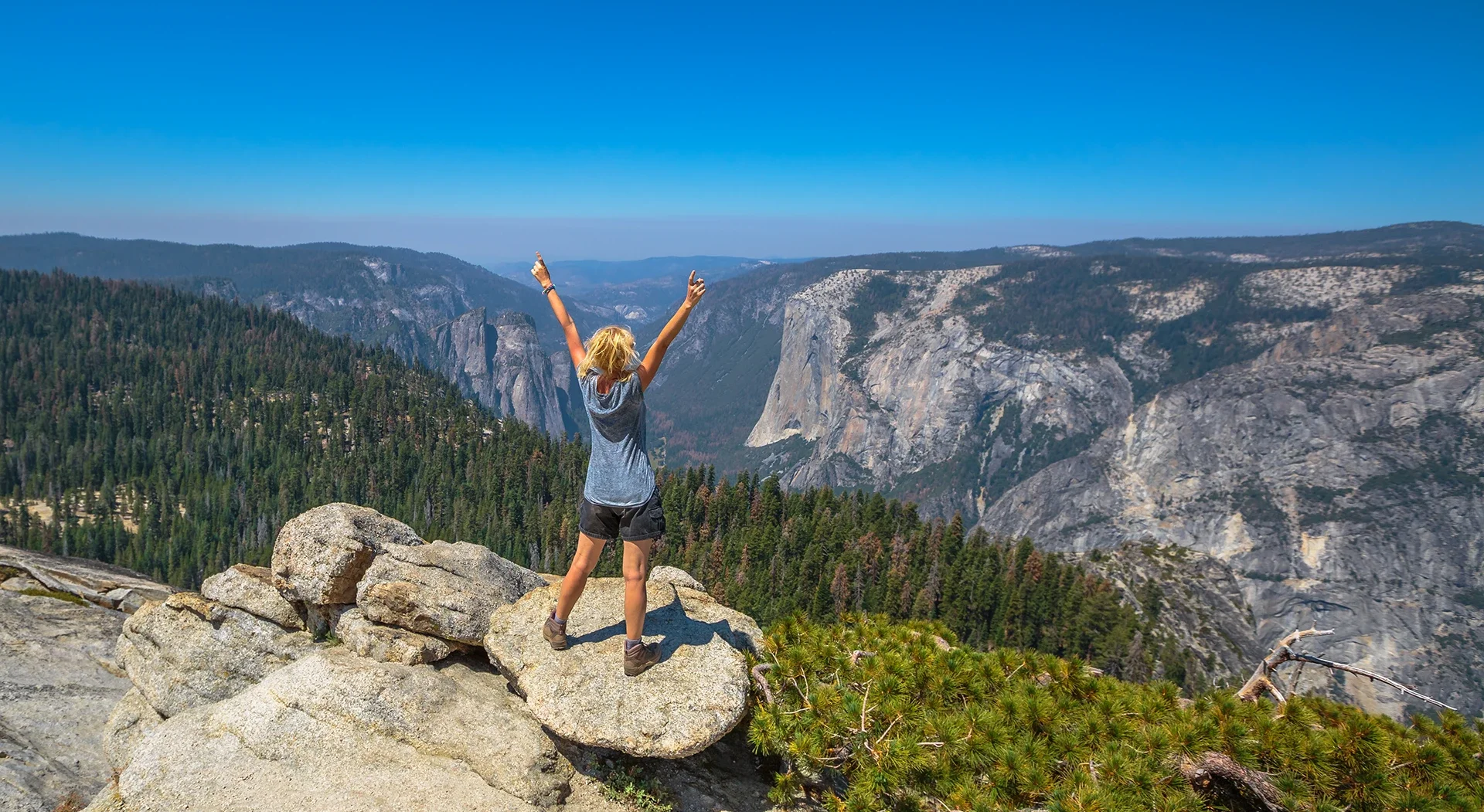
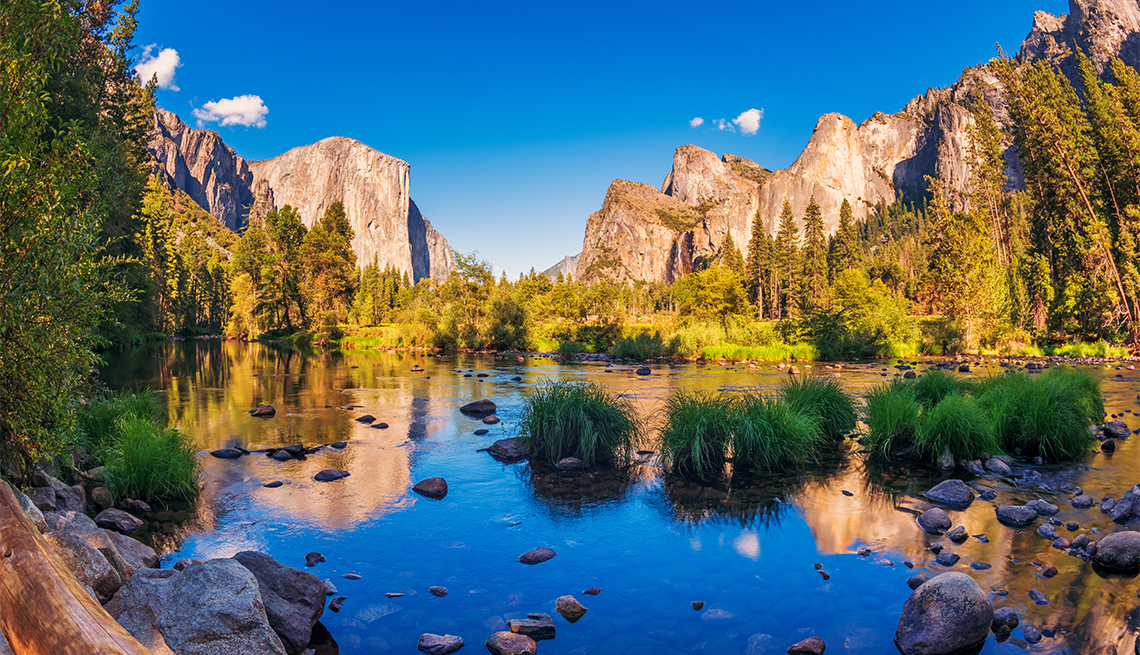
- Yosemite Valley Panoramas: Towering cliffs, broad meadows, and a ribbon of river make a perfect start.
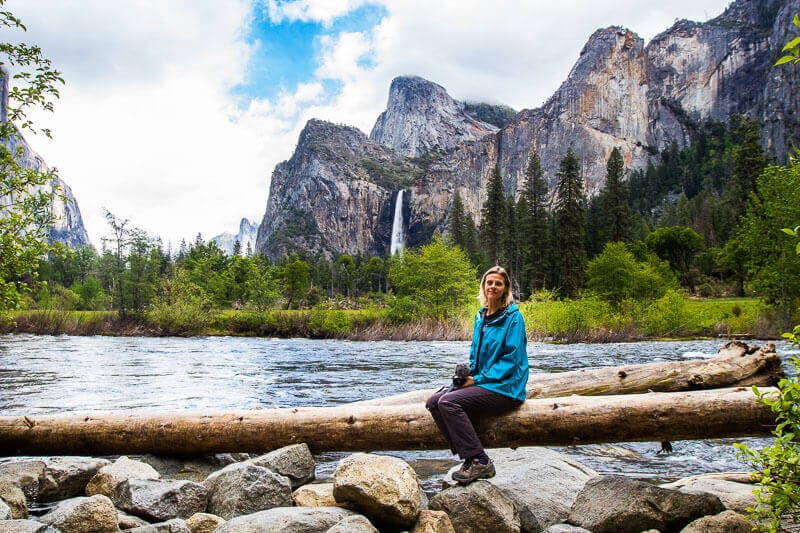
- Tunnel View: A grand frame of El Capitan, Bridalveil Fall, and Half Dome in one vista.
- El Capitan: Watch climbers through binoculars. Late day light turns the face gold.
- Half Dome: The granite crest that defines the skyline. Best viewed from Glacier Point or Mirror Lake.
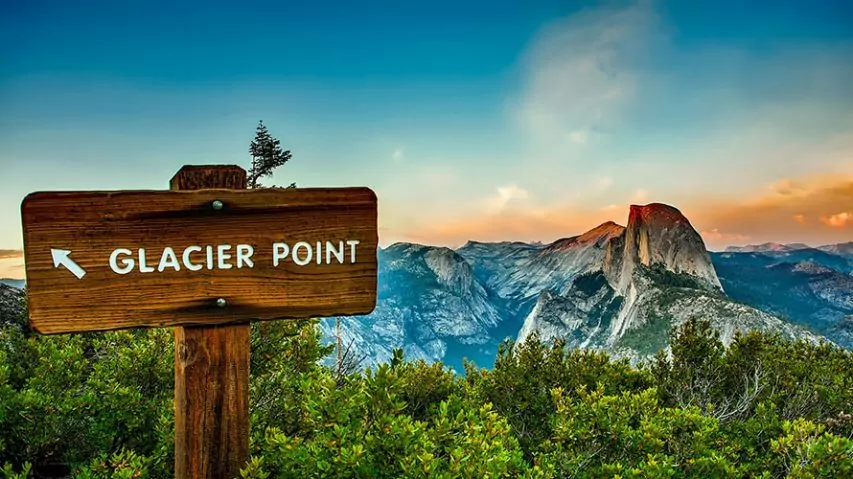
- Glacier Point: A vast overlook above the valley. Sunset here is hard to beat.
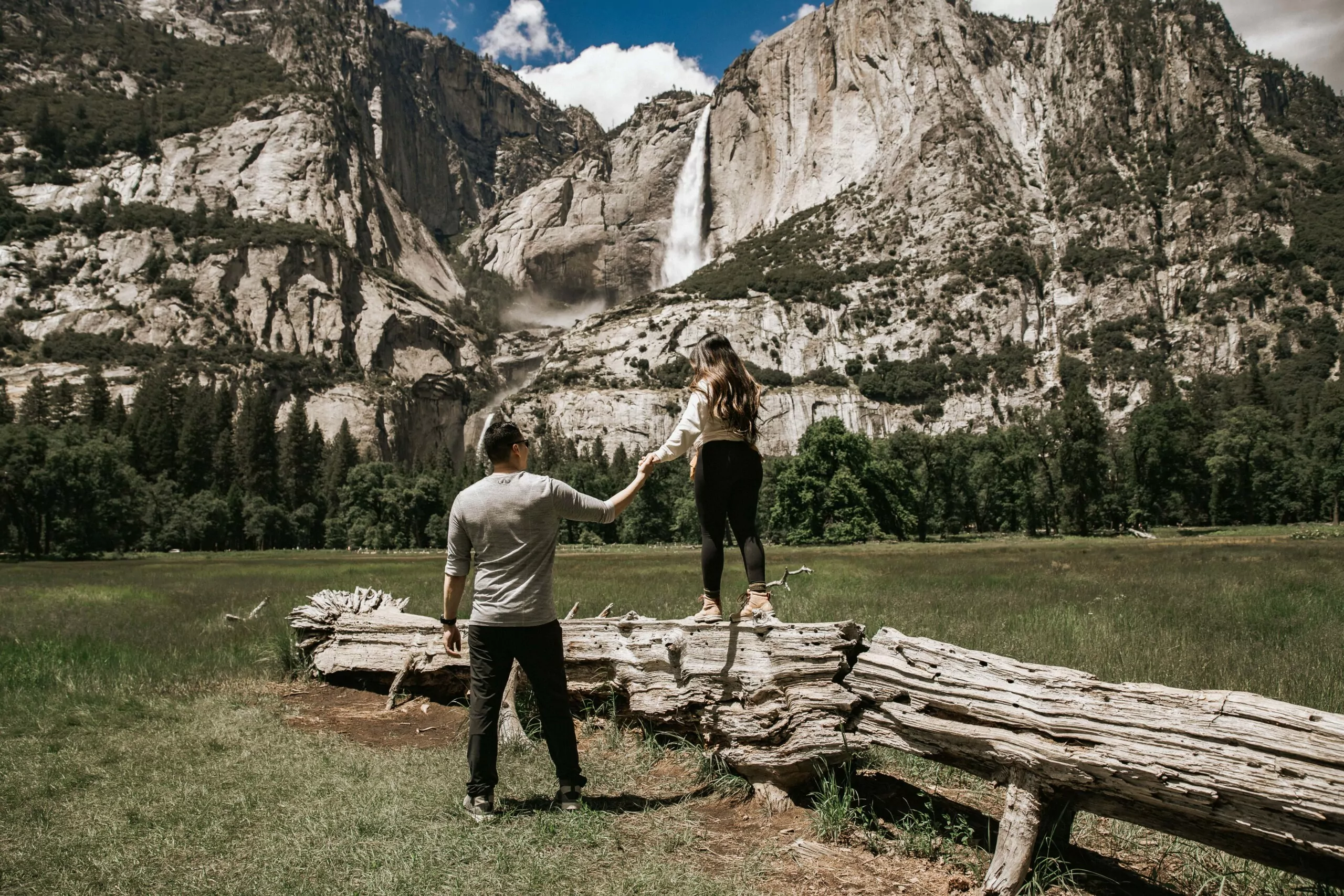
- Yosemite Falls: One of North America’s tallest. Peak flow is spring.
- Mariposa Grove of Giant Sequoias: Walk among ancient trees that predate Rome.
Waterfalls by season: where and when to go
Wondering what to see in Yosemite National Park in spring? Waterfalls. Snowmelt powers every cascade. Flows drop in late summer, but some falls still run. Each season offers a different mood, from thunder to mist.

Spring highlights
- Yosemite Falls: Roars in April through June. Expect spray near the base.
- Bridalveil Fall: Strong in spring. The new trail upgrades improve access.
- Vernal and Nevada Falls: Reach by the Mist Trail. Wear waterproof layers.
- Ribbon Fall: Seasonal and tall. Best seen from El Capitan Meadow.
Summer choices
- Vernal and Nevada Falls: Still strong. Start at dawn to beat heat and crowds.
- Illilouette Fall: Seen from Panorama Trail. A worthy add if you have time.
- Tuolumne River Cascades: Smaller but lovely near Tuolumne Meadows.
Fall and winter moods
- Yosemite Falls: Flow varies. Early winter can surprise after storms.
- Bridalveil Fall: Often runs year-round. Ice can form in deep winter.
- Horsetail Fall: Late February can glow like fire at sunset when conditions align.
Iconic Valleys, Meadows, and Scenic Walks
Much of what to see in Yosemite National Park is on level ground. Meadows and loops offer calm views and easy access. These spots are great for families and golden-hour photos.
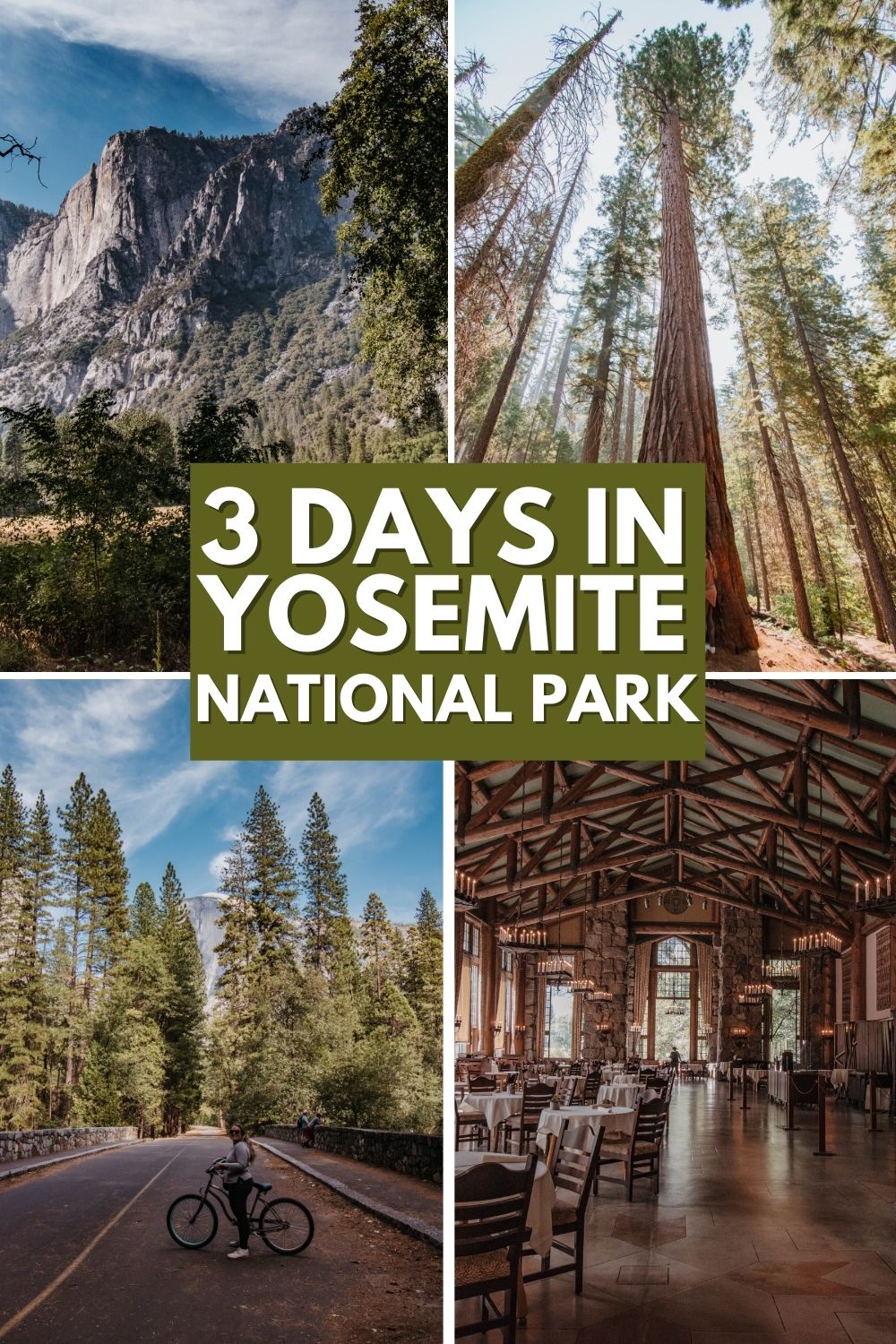
- Valley Loop Walk: Flat paths with views of El Capitan and Cathedral Rocks.
- Cook’s Meadow and Sentinel Bridge: Classic Half Dome reflection when the water is calm.
- Mirror Lake: Seasonal reflections below Half Dome. Best in spring.
- Sentinel and El Capitan Meadows: Wildflowers in late spring. Fall colors in October.
- Tuolumne Meadows: High-country grasslands with big sky and cool air.
High Country and Alpine Lakes
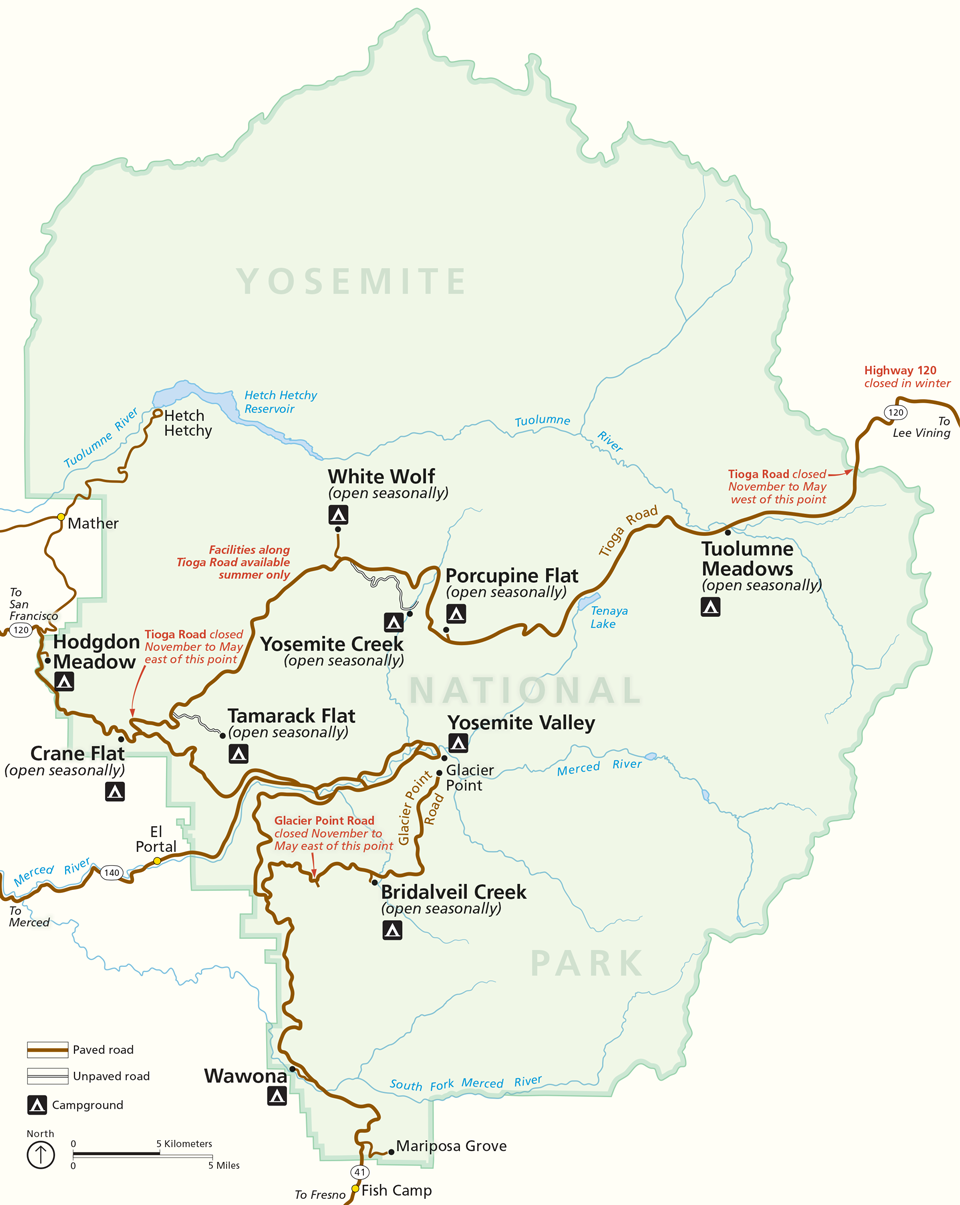
If you crave space, head for the Tioga Road when it is open. This is high-elevation country with clear air and cold lakes. Access depends on snow and can range from late May to October.
- Tenaya Lake: A bright gem with granite shores. Pack a picnic and water shoes.
- May Lake: Short hike to a calm basin beneath Mount Hoffmann.
- Cathedral Lakes: Iconic granite spires and mirror water. Start early for parking.
- Gaylor Lakes: Quick climb to alpine meadows and wide views near Tioga Pass.
- Mono Pass: High saddle with ancient mining sites and sweeping vistas.
Best hikes for first-time visitors
Hiking is the best way to unlock what to see in Yosemite National Park. Pick trails to match time, fitness, and season. Start at dawn in summer and carry more water than you think you need.
Easy
- Lower Yosemite Fall Trail: 1 mile loop. Paved and great for kids.
- Cook’s Meadow Loop: 1 mile loop. Epic views with little effort.
- Wawona Meadow Loop: 3.5 miles. Quiet and flat forest path.
Moderate
- Mist Trail to Vernal Fall Footbridge: 1.6 miles round trip. Steep but rewarding.
- Mirror Lake Loop: 2 to 5 miles. Choose your distance around the lake basin.
- Taft Point and Sentinel Dome: 5 miles round trip from Glacier Point Road. Huge views.
Strenuous
- Upper Yosemite Fall: 7.6 miles round trip. Big climb. Big payoff.
- Four Mile Trail: 9.6 miles round trip. Valley to Glacier Point if the road is closed.
- Half Dome via cables: 14 to 16 miles round trip. Permit required. Long and exposed.
Scenic Drives and Photo Stops
Short on time? A car can still deliver the best of what to see in Yosemite National Park. Plan photo stops around sunrise and sunset. Check road status before you go.
- Valley Floor Loop Drive: Pullouts for El Capitan, Bridalveil Fall, and Sentinel Bridge.
- Tunnel View at Sunrise: Soft side light and calm air.
- Glacier Point Road: Stop at Washburn Point and Glacier Point for big panoramas.
- Tioga Road: Alpine lakes, granite domes, and views to the Sierra crest.
- Hetch Hetchy: Quieter corner with a massive dam and fine spring hikes.
Wildlife, Stargazing, and Quiet Moments
Part of what to see in Yosemite National Park is what you hear and smell. Pine and cedar. Wind on cliffs. Stars in cold air. Wildlife is active at dawn and dusk. Always keep distance and never feed animals.

- Wildlife tips: Store food in bear lockers. Keep 25 yards from deer, 50 yards from bears.
- Birding: Look for peregrine falcons near cliffs and great gray owls in meadows.
- Night skies: Glacier Point and Tuolumne Meadows offer dark skies. Bring a headlamp and warm layers.
- Soundscapes: Sit by the Merced River and let the flow slow your thoughts.
Where to stay, eat, and when to visit
Lodging affects what to see in Yosemite National Park each day. Staying in the valley saves time. Outside the park can mean more choice and lower cost. Entry reservation systems may be in place on peak days, so plan ahead.
- In-park stays: The Ahwahnee, Yosemite Valley Lodge, and Curry Village book fast.
- Camping: Reserve early. First-come sites are rare in summer.
- Gateway towns: Mariposa and Oakhurst on Highway 41. Groveland on Highway 120. Lee Vining for the east side.
- Food: Valley food courts are fast and simple. Pack snacks to stay flexible.
- Best months: May and June for waterfalls. September and October for crisp air and fewer bugs. Winter for snow scenes and quiet.
Practical tips, safety, and Leave No Trace
Smart prep makes what to see in Yosemite National Park easier and safer. Weather shifts fast. Cell service is weak in many areas. A paper map is wise.
- Permits: Half Dome uses a lottery. Wilderness permits are needed for backpacking.
- Shuttles: Use free valley shuttles to skip parking stress.
- Road rules: Chains may be required in winter. Check conditions each morning.
- Altitude: High country hikes feel harder. Pace yourself and hydrate.
- Wildlife safety: Use bear boxes. Never leave food in cars.
- Sun and heat: High UV at elevation. Wear a hat and carry electrolytes.
- Trail care: Pack out trash. Stay on marked paths to protect fragile soil.
Frequently Asked Questions of what to see in yosemite national park
How many days do I need to see Yosemite?
Two to three days cover the icons without rush. One day is possible if you focus on the valley and one overlook.
What is the best month to visit Yosemite?
May and June bring peak waterfalls and lush meadows. September and early October offer clear air, stable weather, and fewer crowds.
Do I need a reservation to enter the park?
At times, yes, during peak seasons or holidays. Check the official park site before you drive.
Can I see Yosemite in one day without hiking?
Yes. Drive to Tunnel View and Glacier Point, then loop the valley pullouts. Short walks add views without much effort.
Where can I see giant sequoias?
Mariposa Grove is the main site with big trees and good trails. Tuolumne and Merced Groves are smaller and quieter.
Is Glacier Point open year-round?
No. The road closes in winter due to snow. It usually opens late spring to early summer, depending on weather.
Are the Mist Trail and Half Dome safe?
They are safe if you respect conditions and your limits. Wet steps and exposure require care, proper shoes, and extra water.
Conclusion
Yosemite is a living gallery of granite, water, forest, and sky. Now you know what to see in Yosemite National Park, when to go, and how to plan each day. Pick two must-sees, add one wild card, and leave room for wonder.
Ready to plan your route and pack with purpose? Save this guide, share it with your travel crew, and subscribe for more smart park itineraries and seasonal updates.


