

Breathtaking Alps, precision watches, rich chocolate, creamy cheeses, neutrality, and world-class trains.
If you want to know what Switzerland is famous for, this guide is for you. I have traveled to mountains, ridden trains, visited kitchens, and seen local work up close.
I will show you the main things that make Switzerland special, with easy tips from my own trips.

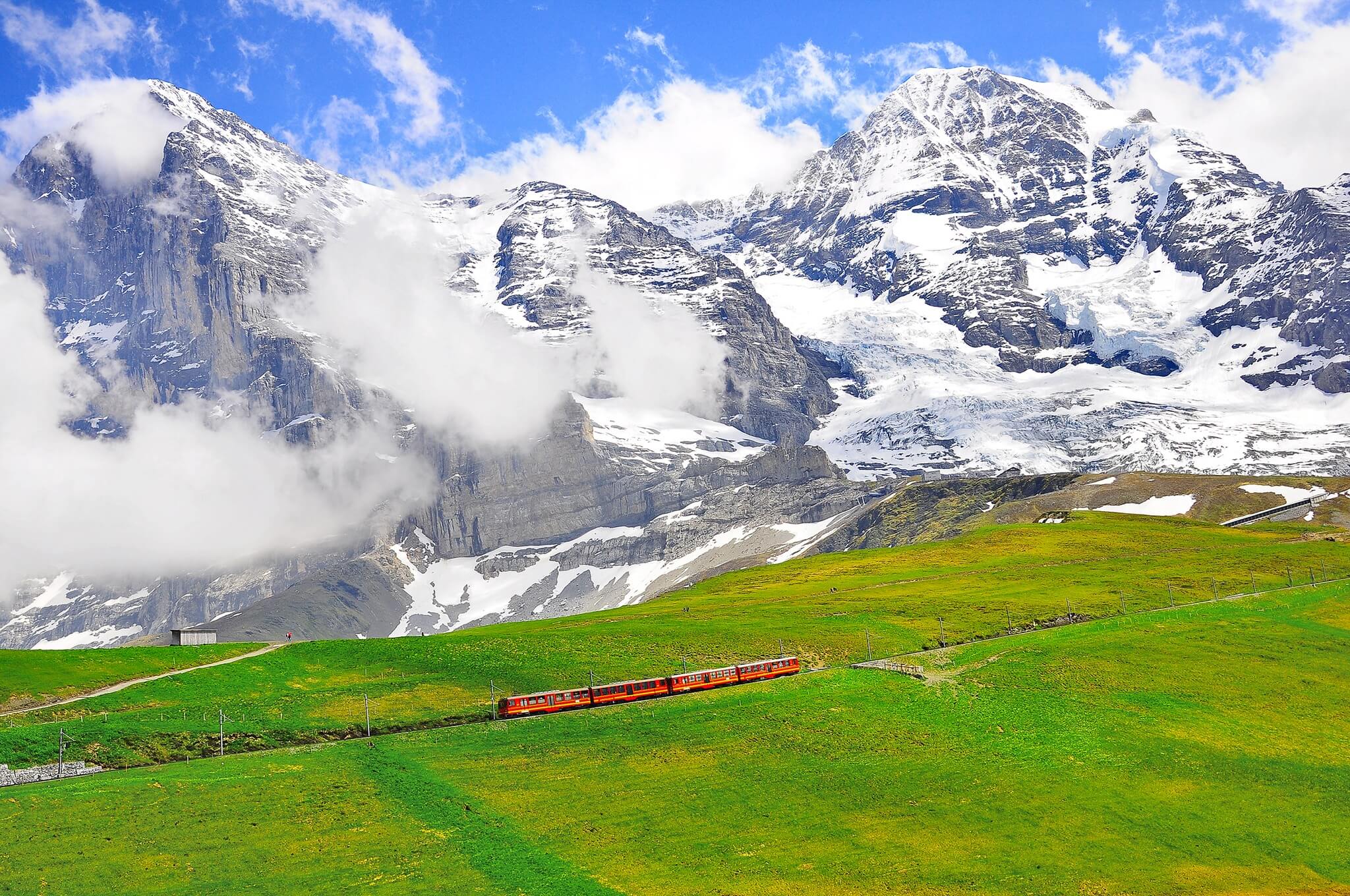
The Alps and Outdoor Adventure
When people ask what Switzerland is famous for, the Alps top the list. These mountains feel both grand and welcoming. You can ski in winter and hike in summer. The scenery looks like it was painted by a patient hand.
On a clear morning in Lauterbrunnen, I hiked past waterfalls that hummed like soft music. Trails were well marked and clean. Even with kids, the routes felt safe and simple to follow.
Top mountain areas to plan:
- Zermatt for the Matterhorn and car-free calm
- St. Moritz for glam slopes and frozen lakes
- Jungfrau Region for easy rail access and epic views
- Engadine for wide valleys and quiet paths
Swiss Chocolate and Legendary Cheese
Ask locals what Switzerland is famous for, and many will say chocolate and cheese with a smile. The country treats cacao like an art. The result is smooth, clean taste with no harsh after-notes.
I once joined a tasting near Gruyères. We tried young and cave-aged wheels. The older batch had deep, nutty notes that lingered. Try fondue in winter and raclette after a long hike.
Must-try classics:
- Gruyère, Emmental, and Appenzeller cheese
- Fondue with bread and pickles
- Raclette with potatoes and onions
- Dark and milk chocolate bars with simple ingredients

Watchmaking and Precision Craft
If you wonder what Switzerland is famous for in industry, it is precision. Watchmaking sits at the heart of that story. The craft blends tiny parts, steady hands, and pride in detail.
In La Chaux-de-Fonds, I watched a technician place a gear that looked like dust. One slip would ruin hours of work. That focus shows up in the final product: simple, accurate, and built to last.
What to look for when buying:
- Mechanical movements for tradition and soul
- Quartz for accuracy and value
- Clear service history and parts support
- Classic designs that age well
Banking, Neutrality, and Diplomacy
Another layer of what Switzerland is famous for is stability. The country has been neutral since the 19th century. It hosts the Red Cross and key United Nations offices in Geneva.
Banks here seek long-term trust, not quick wins. Strict rules have evolved in recent years. The goal is steady, clean finance rather than secrecy. That approach helps both locals and global firms plan with calm.
Key takeaways:
- Neutral stance supports global talks
- Geneva hosts major humanitarian groups
- Finance focuses on risk control and resilience

Languages, Culture, and Everyday Grace
What Switzerland is famous for also includes its four national languages: German, French, Italian, and Romansh. This mix shapes food, festivals, and style. You can travel only a few miles and feel a new rhythm.
I felt this shift on a train from Zurich to Lugano. The mood turned warmer, the coffee sweeter, and the language changed to Italian. Diversity felt natural, not forced.
Helpful phrases to learn:
- Grüezi for hello in Swiss German
- Bonjour for hello in French
- Buongiorno for hello in Italian
- Allegra for hello in Romansh
Trains, Scenic Routes, and Green Travel
Ask a commuter what Switzerland is famous for, and you may hear one word: trains. Timetables run like clockwork. Connections are tight, clean, and easy to read.
I rode the Glacier Express on a snowy day. The train slid past pine forests and stone bridges. It felt slow in the best way, like time made room for you.
Routes worth riding:
- Glacier Express for across-the-Alps sights
- Bernina Express for high passes and red viaducts
- GoldenPass for lakes and chalet villages
- Lake boats that sync with train arrivals

Innovation, Science, and Clean Energy
What Switzerland is famous for is not only heritage. It is also labs and ideas. The country invests in research, from biotech to materials. On the Swiss-French border, CERN pushes physics forward.
Energy is a focus too. Most power comes from hydropower, with nuclear as a major partner. Solar is growing each year. The aim is reliable energy with a lighter footprint.
Where innovation shows up:
- University labs with strong industry links
- Startups in health tech and deep tech
- Public projects that prize quality and safety
Quality of Life, Safety, and Pure Water
People often say what Switzerland is famous for is quality of life. Streets feel safe. Tap water tastes like a mountain stream. Parks, paths, and public spaces invite you to slow down.
You will see fountains in many towns. They are free to use and well kept. I refilled my bottle in Bern and tasted the Alps in every sip.
What stands out day to day:
- Low crime and high trust
- Clean streets and quiet nights
- Strong healthcare and transit access
Festivals, Design, and Living Traditions
Part of what Switzerland is famous for is how it honors old and new. Yodeling meets jazz. Folk parades meet design fairs. The blend feels fresh, not random.
I joined a small cheese festival and ended the week at a design gallery. Both cared about craft and stories. That thread holds the culture together.
Events to watch for:
- Fête de l’Escalade in Geneva
- Montreux Jazz Festival by the lake
- Basel Art Week for modern works
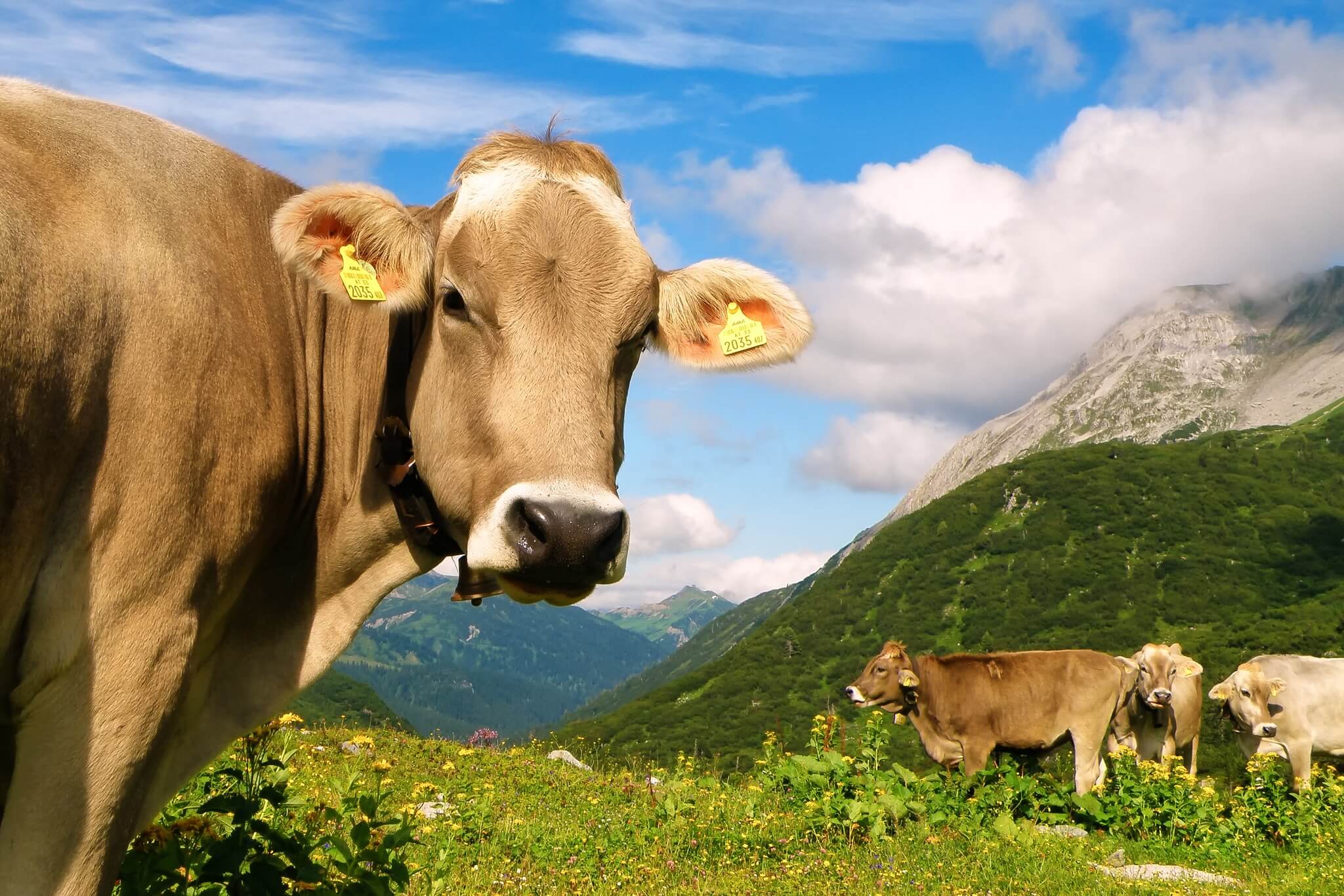
- Alpabzug, the cow-descent tradition in fall
Sports, Wellness, and Winter Magic
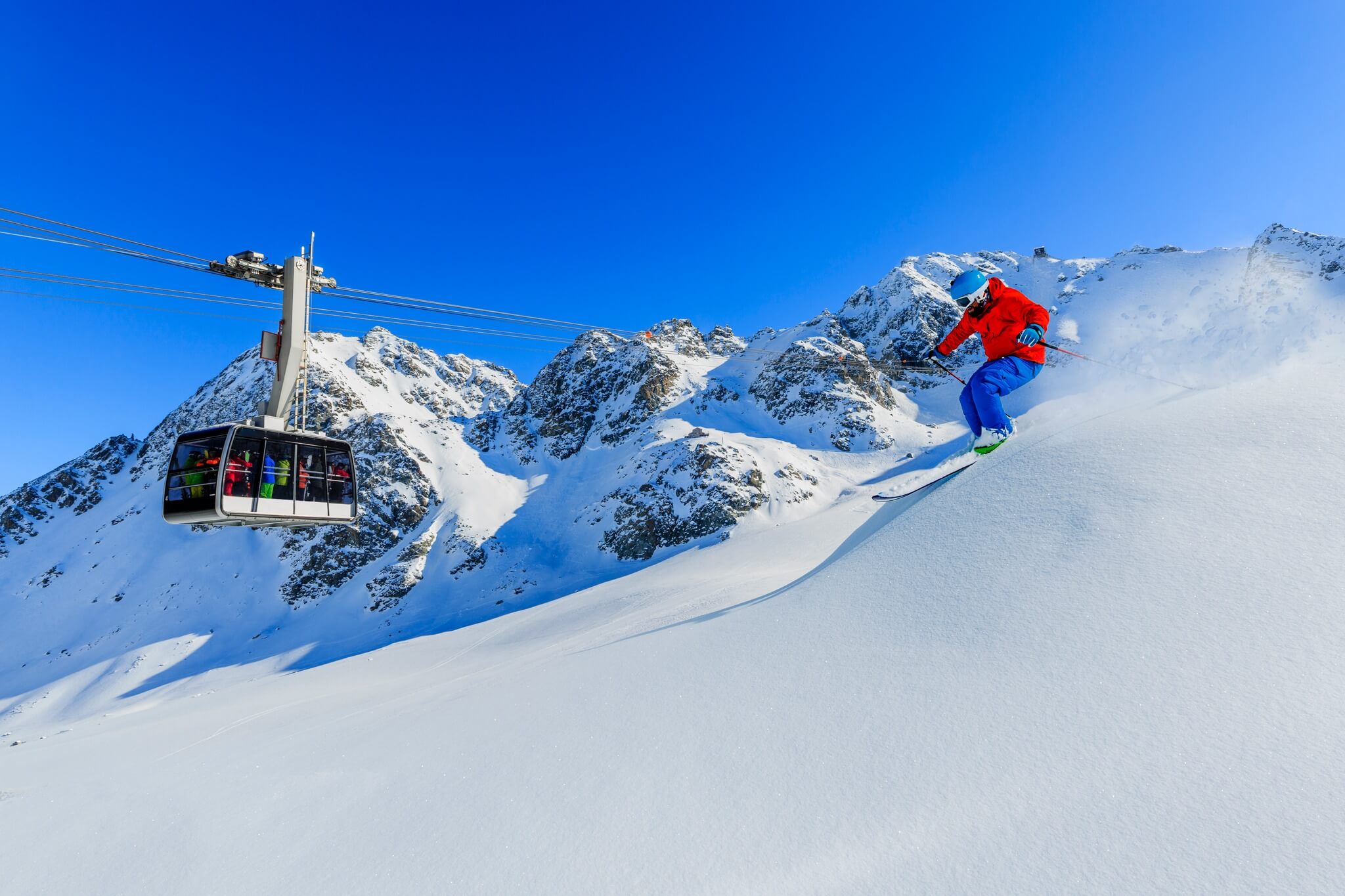
What Switzerland is famous for in winter is clear: skiing and snow. Yet the wellness side is just as strong. Many resorts offer thermal baths and spa days.
In St. Moritz, I skied in the morning and soaked in hot pools at night. The balance felt perfect. You can mix sports and rest without stress.
Ideas for active trips:
- Downhill and cross-country skiing
- Snowshoe walks on marked trails
- Sled runs with night lights
- Spa days with lake views
Practical Tips for Your First Trip
If you are planning and still asking what Switzerland is famous for, think simple planning and smooth moves. Small choices can save time and money.
Smart steps before you go:
- Buy a Swiss Travel Pass if you will ride often
- Travel off-peak for lower hotel rates
- Carry a bottle and use public fountains
- Reserve scenic trains early for window seats
- Expect many stores to close on Sunday
Food and money notes:
- Tap water is safe and free when asked
- Tipping is modest, as service is included
- Lunch menus can be better value than dinner
- Street bakeries offer fresh, low-cost bites
Frequently Asked Questions of what switzerland is famous for
What is Switzerland most famous for?
Switzerland is famous for the Alps, chocolate, cheese, watches, and safe, clean cities. It is also known for neutrality and global diplomacy.
Why are Swiss trains so reliable?
The network is dense and well funded. Schedules are planned for easy transfers, with on-time rates that rank among the world’s best.
Is Swiss tap water safe to drink?
Yes, tap water is safe across the country. Many public fountains offer fresh, clean water you can drink for free.
When is the best time to visit?
Summer is great for hiking and lakes. Winter is perfect for skiing and cozy food like fondue.
Is Switzerland expensive?
Costs can be high, but there are ways to save. Use travel passes, lunch specials, and free city walks to stretch your budget.
Conclusion
Now you know what Switzerland is famous for, from snowy peaks to steady hands and smooth trains. The country blends craft and care in every corner. Use this guide to plan a trip, taste the land, and find your own quiet moments.
Choose one section to start. Book a train, pick a trail, or try fondue at home. If this helped, subscribe for more guides or leave a comment with your next Swiss stop.


