

A scenic, flexible journey from California to Washington showcasing coastlines, parks, and cities.
United States West Coast Road Trip is one of the most attractive experiences for the tourists. I made several trips when I was in Los Angels. I this article I will show you practical expertise, route options, and planning steps you need. I will also explain clear itineraries, packing lists, budget ranges, seasonal advice, safety notes, and insider tips drawn from years on the road. Whether you want the classic Pacific Coast Highway drive, a nature-heavy national park loop, or a fast coastal sweep from San Diego to Seattle, this article shows how to plan, enjoy, and get the most from a united states west coast road trip.
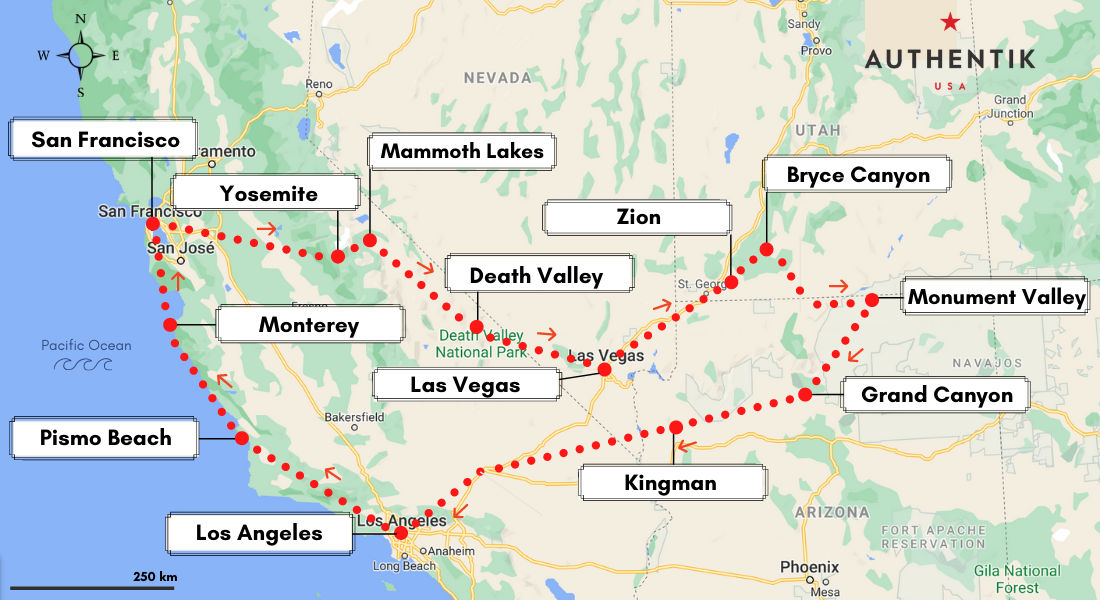
Why choose a united states west coast road trip?
A united states west coast road trip blends dramatic coastline, giant redwoods, volcanic landscapes, and vibrant cities. The route offers varied scenery in compact drives. You can eat fresh seafood, hike in old-growth forests, and watch the sunset over the Pacific within a single week.
Benefits of this trip
- Easy to customize by time, budget, and interests.
- Great mix of nature, culture, and outdoor activities.
- Strong infrastructure: campsites, state parks, and visitor centers make logistics simple.
Common themes travelers seek
- Scenic driving along Highway 1 and US 101.
- National parks like Yosemite, Redwood, Olympic, and Crater Lake.
- City stops: San Diego, Los Angeles, San Francisco, Portland, Seattle.
- I’ve driven the coast in segments across four seasons. Early fall gave the best mix of clear skies and fewer crowds. Booking ahead for Big Sur and Yosemite made long weekends far less stressful.
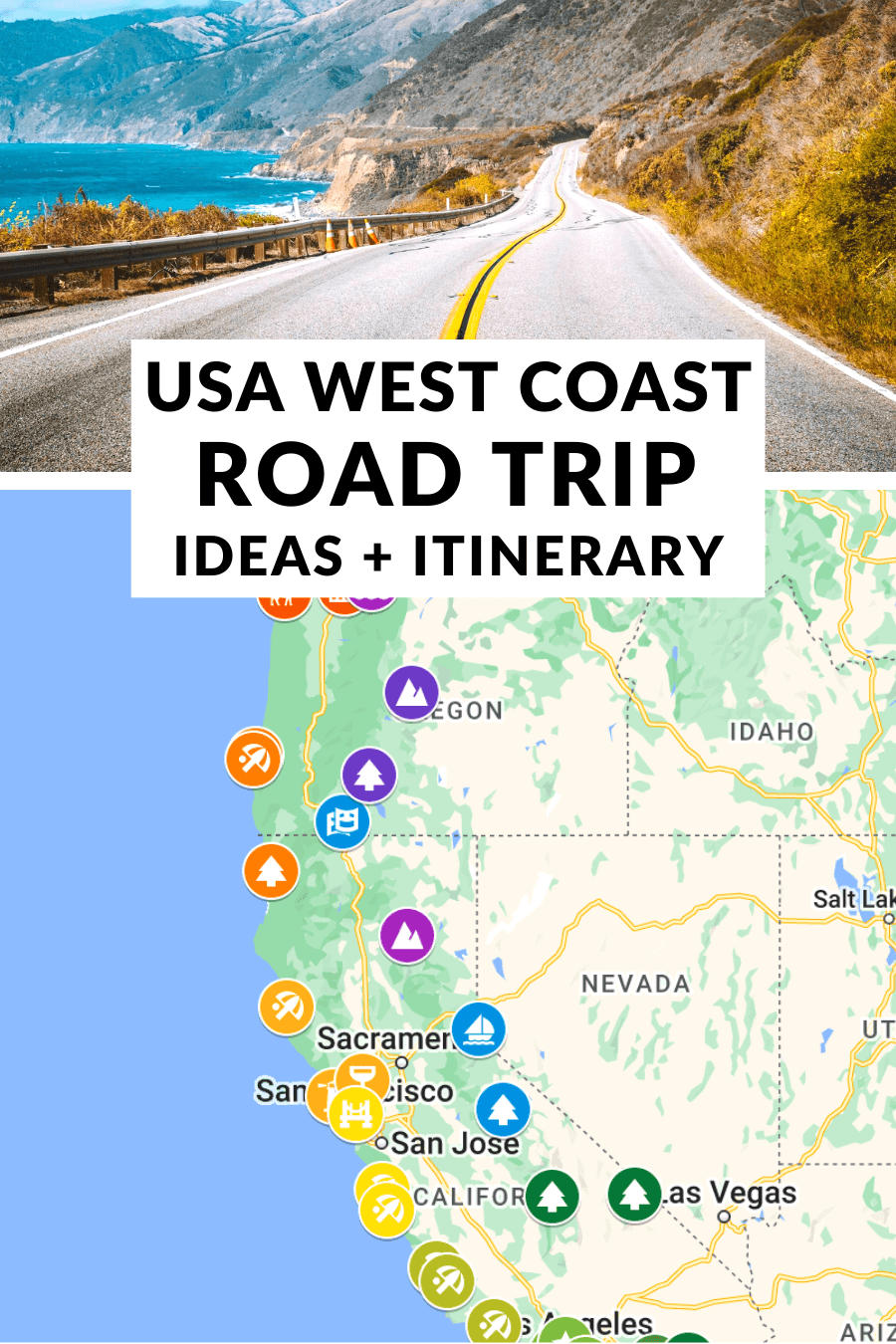
Best routes and sample itineraries
Pick a route that fits your time and goals. Below are reliable choices for a united states west coast road trip.
Classic coastal sweep (10–14 days)
- San Diego to Los Angeles — beaches and culture.
- Los Angeles to Big Sur via Highway 1 — dramatic cliffs.
- Big Sur to San Francisco — redwoods and wineries.
- San Francisco to Mendocino then north on Highway 101.
- Oregon Coast on US 101 — coastal viewpoints.
- Northern Oregon to Washington — Olympic or Seattle finish.
Inland plus coast (10–12 days)
- Start San Francisco, visit Yosemite, then head north to Redwood and Oregon Coast.
- Good when Yosemite is a priority but you still want coastal driving.
Pacific Northwest focus (7–10 days)
- Portland base, explore Oregon Coast south and north.
- Cross into Washington for Olympic National Park and Seattle.
Weekend condensed options (3–5 days)
- San Francisco to Big Sur loop.
- Portland to Cannon Beach and Tillamook.
Route planning tips
- Don’t try to drive the whole coast at once unless you have 2–3 weeks.
- Mix driving days under five hours with full days for hikes and sightseeing.
- Reserve key accommodations and park passes in advance.

Timing, weather, and crowds
Best time to go
- Late spring to early fall (May–September) for warmth and clearer skies.
- Early fall (September–October) often balances weather and fewer crowds.
Regional notes
- Southern California is mild year-round.
- Big Sur and central coast can have marine layer mornings; afternoons often clear.
- Northern California, Oregon, and Washington see more rain outside summer.
- Mountain parks (Yosemite, Mount Rainier) have seasonal closures in winter.
Crowd management
– Avoid holiday weekends and summer peak weeks if possible.
- Visit popular spots early morning or late afternoon.
- Use timed entry reservations where required.
Planning essentials: permits, passes, and reservations
Parks and passes to consider
- National Park passes: annual or per-park fees apply.
- Timed entry and reservation systems exist for Yosemite and other parks.
- Some coastal state parks require vehicle reservations in high season.
Driving permits and regulations
- No special permits for standard vehicles unless you use commercial or oversized rigs.
- For RVs: check campground size limits and bridge restrictions on Highway 1.
Booking strategy
- Reserve campgrounds and hotels 60–120 days ahead for summer.
- For short-notice trips, aim for weekdays and mid-week camping to find openings.
What to pack and vehicle tips
Packing essentials
- Layered clothing for coastal breezes and inland warmth.
- Rain jacket for northern sections.
- First-aid kit, flashlight, and basic tools.
- Reusable water bottle and sun protection.
Vehicle choices
- Compact SUV for comfort and varied terrain.
- Convertible or small car for classic coastal feel—mind limited trunk space.
- RV if you prefer mobile lodging; note narrow cliffside roads on some stretches.
Vehicle maintenance checklist
- Check tires, brakes, fluids, and spare tire before departure.
- Bring jumper cables, basic tool kit, and portable phone charger.
- Download offline maps and a list of towing services along the route.
Personal tip
- On my first united states west coast road trip I underestimated fuel stops in parts of coastal Oregon; now I keep fuel at 25% minimum and download station maps.
Budget and cost breakdown
Major cost categories
- Fuel: long driving distances add up—plan for fuel stops in rural areas.
- Lodging: hotels, motels, campsites; expect higher rates in tourist towns.
- Food: mix restaurant meals with grocery stops.
- Park fees and activities: park entrance, guided tours, timed entries.
Estimated daily budgets (per person)
- Budget traveler: $60–$120 (camping, groceries).
- Mid-range: $150–$300 (mix of motels and some dining).
- Comfortable: $300+ (hotels, guided tours, paid activities).
Money-saving tips
- Camp or use budget motels in smaller towns.
- Pack picnic supplies to cut meal costs.
- Use an all-park pass if visiting three or more national parks.

Top stops and highlights by region
Southern California
- San Diego: beaches, Balboa Park.
- Los Angeles: museums and food scene.
Central California
- Big Sur: driving cliffs and Bixby Bridge.
- Monterey and Carmel: marine life and art galleries.
Northern California
- Redwood National and State Parks: towering trees.
- San Francisco: Golden Gate and diverse neighborhoods.
Oregon Coast
- Cannon Beach: Haystack Rock.
- Oregon Dunes and Cape Perpetua viewpoints.
Washington
- Olympic National Park: coastal rainforests and tide pools.
- Seattle: Pike Place Market and cultural attractions.
National parks you can include
- Yosemite for waterfalls and granite walls.
- Crater Lake in Oregon for a unique caldera lake.
- Mount Rainier for alpine meadows.
Safety, road conditions, and driving tips
Driving safely
- Watch for sharp turns on Highway 1 and US 101.
- Reduce speed in fog and heavy rain.
- Be cautious on two-lane stretches and watch for cyclists.
Weather hazards
- Winter storms can close mountain passes.
- Rockslides occur intermittently—check Caltrans and state DOT sites.
Health and emergency
- Carry a basic first-aid kit and know the nearest medical centers.
- Tell someone your route and check in on longer remote drives.
Personal lesson
- A flat tire at night taught me to have a roadside assistance membership and a reliable jack.

PAA-style quick questions
How long should a united states west coast road trip be?
- Aim for 10–14 days to cover major highlights comfortably. A week is possible for focused regions.
Can I do the Pacific Coast Highway in one day?
- You can drive it in one day but you’ll miss key stops. Plan multiple days for Big Sur and Monterey.
Do I need a 4×4 for the Oregon Coast?
- No, most coastal roads are paved. A 4×4 helps on remote side roads and during winter.
Personal experiences and lessons learned
What worked well for me
- Breaking long drives into short segments kept energy high.
- Booking campgrounds early in peak seasons prevented last-minute stress.
- Mixing city nights with beach or forest stays balanced activity.
Common mistakes I made
- Trying to see too much in a single day. Slow travel shows more.
- Underestimating driving times due to winding roads.
- Not checking park reservation rules ahead of time.
Practical advice
- Plan flexible days for weather and unexpected stops.
- Carry cash for small vendors in rural towns.
- Keep a printed list of reservations and emergency contacts.
Planning checklist and timeline
6–12 months ahead
- Decide the main route and length.
- Check park reservation policies.
1–3 months ahead
- Book campsites and key hotels.
- Reserve guided tours or timed entries.
1–2 weeks ahead
- Service your vehicle and pack gear.
- Download maps and verify operating hours.
Day before departure
- Confirm reservations and prepare snacks.
- Share your basic itinerary with someone you trust.
Frequently Asked Questions of united states west coast road trip
What is the best time to drive the west coast?
Late spring through early fall offers the best weather. Early fall often has fewer crowds and stable conditions.
How many miles is the full west coast drive?
A drive from San Diego to Seattle ranges from about 1,250 to 1,500 miles depending on detours. Allow extra miles for scenic side trips.
Do I need reservations for national parks?
Some parks use timed entries or require reservations, especially in high season. Check park policies before you go.
Can I do this trip on a budget?
Yes. Camp, cook meals, and travel off-peak to cut costs. Use public beaches and free viewpoints for low-cost activities.
Are roads safe for RVs and large vehicles?
Many roads are RV-friendly, but sections of Highway 1 and narrow coastal routes can be tight. Check local restrictions and camping options.
Is it possible to use public transport for parts of the trip?
Major cities have public transit, but coastal stretches and rural parks often need a car. Use trains or buses for city legs when convenient.
Conclusion
A united states west coast road trip delivers one of America‘s most diverse travel experiences. Plan a flexible route, reserve key stops early, and balance driving with time outdoors. Start by choosing your route, checking park rules, and preparing your vehicle. Then embrace slower travel—stop for viewpoints, hike a short trail, and taste local food. Ready to plan your route? Map your priorities, set dates, and book the must-reserve spots. Share your route ideas or questions below and start turning that plan into a memorable drive.