

Nausea after flying is common, triggered by motion, pressure changes, and dehydration.
If nausea after flying ruins your first day on the ground, you are not alone. I’ve coached hundreds of travelers through this exact problem. In this guide, I break down why nausea after flying happens, how to prevent it, and what actually works when symptoms hit. Stick with me and you’ll land ready to enjoy your trip.
Why nausea after flying happens
Nausea after flying comes from a mix of body signals that do not match. Your inner ear senses motion while your eyes see a stable cabin. That conflict confuses the brain and can trigger nausea after flying.
Several factors raise the risk:
- Motion and turbulence confuse the inner ear and cause motion sickness.
- Cabin pressure equals high altitude. Less oxygen and low humidity can make nausea after flying more likely.
- Gas expansion in the stomach or intestines increases bloating and discomfort.
- Odors, jet fuel smells, or strong perfumes can set off queasy feelings.
- Anxiety and poor sleep lower your tolerance to motion.
- Alcohol, coffee, and heavy meals irritate the gut and worsen nausea after flying.
Research shows that vestibular mismatch is the main driver. Dehydration, stress, and long flights add to the load. This is why nausea after flying can hit even seasoned travelers.

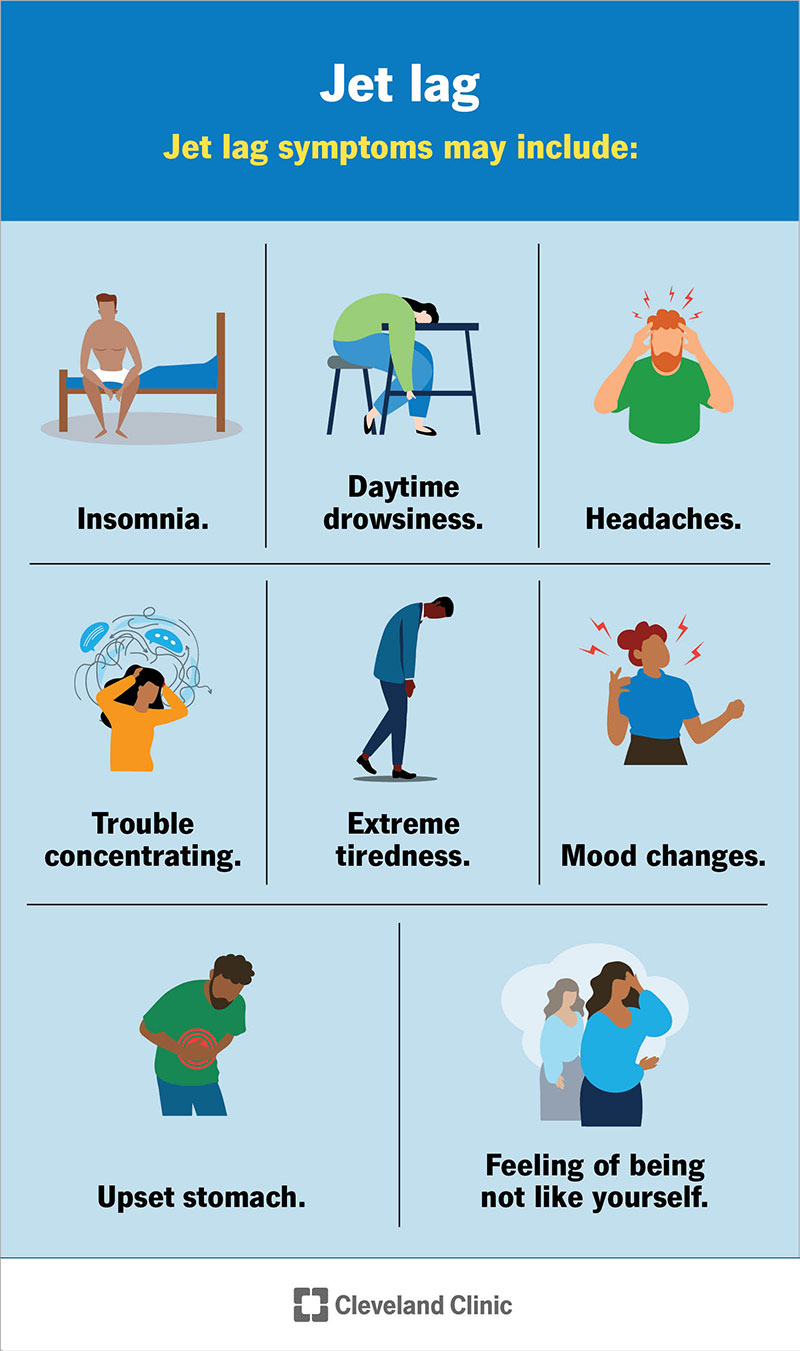
Symptoms and warning signs
Most cases are mild and pass within hours. Typical symptoms include:
- Queasy stomach, dizziness, or lightheadedness
- Cold sweat, yawning, or headache
- Bloating, burping, or loss of appetite
Seek care fast if you notice:
- Severe vomiting that lasts over 8 hours or you cannot keep fluids down
- Chest pain, fainting, confusion, severe headache, or high fever
- Signs of dehydration such as dry mouth, dark urine, or weakness
These red flags are not normal for nausea after flying and need medical review.
Prevention before you fly
A few smart steps can stop nausea after flying before it starts.
Seat and timing
- Pick a window seat over the wing. This is the most stable spot.
- Book flights at times you feel best. Avoid back‑to‑back red‑eyes if you are sensitive.
- Check in early. Avoid the very back of the plane.
Food and drink
- Eat a light meal 2 to 3 hours before boarding. Choose lean protein, rice, toast, or yogurt.
- Avoid heavy, spicy, or greasy foods.
- Skip alcohol and limit coffee. Drink water in steady sips.
Evidence‑based tools
- Try ginger capsules, chews, or tea. Studies show modest benefit.
- Use acupressure bands on the P6 point. Results vary but many travelers report relief.
- Practice slow nasal breathing. It steadies the nervous system.
Medication planning
- Consider meclizine or dimenhydrinate 1 hour before takeoff if you know you get nausea after flying.
- Ask your clinician about a scopolamine patch for long flights.
- If you are pregnant, have glaucoma, prostate issues, or take sedatives, speak with your doctor first.
From experience, the best combo is seat selection, light meals, hydration, and one evidence‑based aid. It cuts nausea after flying for most clients.

In‑flight strategies that work
You can act early at the first hint of queasiness.
Calm the inner ear
- Keep your head still against the headrest.
- Look out the window at the horizon or a stable point.
- Avoid reading or screens during turbulence.
Control the environment
– Open the air vent for cool airflow to the face.
- Ask for ice or a cold compress.
- Move to a cleaner air zone if strong odors bother you.
Gentle gut care
- Sip water often. Add electrolytes on long flights.
- Nibble on crackers, pretzels, or ginger candies.
- Avoid sugar alcohols, which can cause gas.
Quick relief tricks
- Sniff an alcohol prep pad. Trials show short‑term nausea relief.
- Use P6 acupressure or a wrist band.
- Practice box breathing: inhale 4, hold 4, exhale 4, hold 4.
Tell the crew if you feel unwell. They can help you manage nausea after flying and keep you comfortable.
After landing recovery guide
Nausea after flying often fades with a few simple steps.
Reset and rehydrate
- Step into fresh air if possible. Keep moving at a gentle pace.
- Drink water or an oral rehydration drink. Avoid heavy meals right away.
- Aim for a light snack such as toast, rice, banana, or broth.
Settle your senses
- Get daylight to reset your body clock.
- Take a short walk to help vestibular recalibration.
- Use ginger tea or peppermint tea for extra support.
Medications and care
- If needed, use an OTC motion sickness tablet as directed.
- Rest in a cool, quiet room. Avoid screens until the dizziness eases.
- If nausea after flying lasts more than 24 to 48 hours, contact a clinician.
This reset routine works well for most travelers I guide after long routes.

Medications and evidence
Medications can help when nausea after flying is strong or predictable. Always follow local guidance and your clinician’s advice.
Antihistamines
- Meclizine: Good for motion sickness prevention. Common side effect is drowsiness.
- Dimenhydrinate: Works fast. May cause sedation and dry mouth.
- Cyclizine: Another option in some regions.
Anticholinergics
- Scopolamine patch: Useful for long flights. Apply 4 to 8 hours before takeoff. May cause dry mouth or blurred vision.
Antiemetics
- Ondansetron: Prescription option for significant nausea. Less sedating.
- Promethazine or prochlorperazine: Effective but sedating. Not a first choice for work days.
- Metoclopramide: May help if slow stomach emptying is a factor. Use with caution.
Non‑drug aids with evidence
- Ginger: Modest benefit across studies, low risk.
- P6 acupressure: Mixed results but low risk and cheap.
- Isopropyl alcohol inhalation: Quick, short‑term relief shown in trials.
Always check for interactions with other drugs. Children, older adults, and pregnant travelers need tailored advice. Proper dosing and timing are key to prevent nausea after flying rather than chase it later.

Special situations and who is at higher risk
Certain groups are more prone to nausea after flying.
Higher‑risk groups
- People with a history of motion sickness or vestibular disorders
- Migraine sufferers, especially vestibular migraine
- Pregnant travelers, children, and older adults
- People with anxiety, anemia, or low blood sugar
- Those with recent ear infections or sinus issues
Targeted tips
- Migraine: Hydrate, maintain caffeine at usual levels, use blue‑light filters, and discuss preventive meds.
- Pregnancy: Prefer non‑drug options first. Ask about vitamin B6 and doxylamine.
- Kids: Stable seats, snacks, hydration, and age‑appropriate dosing only.
- Vestibular disorders: Window seat, steady gaze, and early medication can reduce nausea after flying.
From my coaching notes, a custom plan for these groups drops symptoms by a large margin.

Packing checklist for nausea after flying
A small kit can save your trip.
- Reusable water bottle
- Electrolyte packets
- Ginger chews or capsules
- Acupressure wrist bands
- Alcohol prep pads for quick relief
- Light snacks such as crackers or pretzels
- Motion sickness meds or scopolamine patch if prescribed
- Neck pillow to keep the head stable
- Eye mask and earplugs or noise‑canceling headphones
- Spare sickness bags and wet wipes
- A clean shirt in case of spills
- A list of your medications and key medical details
Keep this kit in your personal item so it is within reach during the flight. It is the easiest way to prevent nausea after flying from taking over.

Frequently Asked Questions of nausea after flying
How long does nausea after flying usually last?
Most cases resolve within a few hours after landing. If symptoms last more than 24 to 48 hours, seek medical advice.
Why do I feel fine in the air but sick after landing?
Your inner ear and eyes need time to recalibrate to stable ground. That mismatch can linger and cause nausea after flying once you exit the plane.
Does seat choice really matter?
Yes. Seats over the wing move less and reduce sensory conflict. A window seat also helps you focus on the horizon.
What should I eat to prevent nausea after flying?
Choose plain foods such as toast, rice, bananas, or yogurt. Avoid heavy, spicy, or greasy meals before and during the flight.
Are natural remedies like ginger and acupressure effective?
They help many people, though results vary. They are low risk and work best when combined with hydration and smart seat choices.
Can I take medication as a preventive?
Yes, if motion sickness is predictable for you. Take meclizine, dimenhydrinate, or a scopolamine patch as directed before takeoff.
When should I be worried about nausea after flying?
Severe vomiting, chest pain, fainting, high fever, or symptoms that persist over 48 hours need medical attention. Dehydration is an urgent concern too.
Conclusion
Nausea after flying is common, but it is not random. With the right seat, smart meals, steady hydration, and a few proven tools, you can land clear‑headed and ready to go. Build your travel kit, practice the in‑flight steps, and use preventive medication if you know you need it.
Ready to make your next trip easier? Try one or two tips on your next flight and add more as you learn what works for you. Share your experience or questions in the comments, and subscribe for more travel‑health guides.


