

“In Sweden, God Jul is not merely a greeting; it is a cultural script. It encapsulates an entire ethos of ‘julstämning’ (Christmas spirit) centered on nostalgia, warmth (‘mys’), and the importance of family and light in the deep darkness of winter. To wish someone a ‘God Jul’ is to wish them peace, comfort, and the joy of these cherished, quiet moments at home. It is arguably the most emotionally resonant phrase of the entire year.”– Dr. Karin Eriksson, Ethnologist.
I have been living in Sweden for 15 years. My favorite time here is Christmas. People in Sweden celebrate Christmas with love and respect. The whole country looks bright and happy. Families decorate their homes with lights and candles. Everyone spends time together, eats good food, and enjoys the warm holiday spirit.
Today, I will share what I first learned — how to say Merry Christmas in Swedish. still remember how happy I felt when I could finally say it the right way. It made me feel closer to the local people and their lovely culture. Learning this simple phrase” God Jul” was my first step to feeling at home in Sweden during the Christmas season.
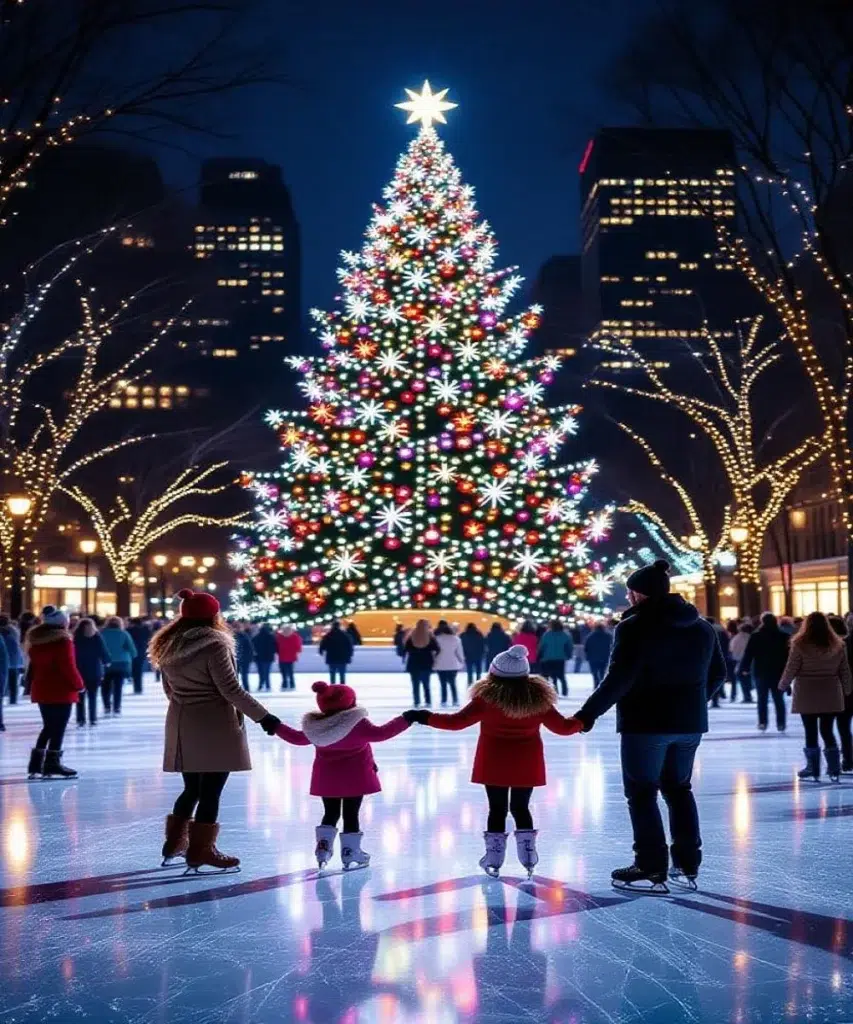
The Swedish Phrase for Merry Christmas: “God Jul”
In Swedish, “Merry Christmas” is expressed as “God Jul.” The phrase is pronounced as “gohd yuhl,” where “God” means “good,” and “Jul” translates to “Christmas.” This simple phrase carries the joy and warmth of the holiday season.
“God Jul” is used in a variety of contexts, from personal greetings to festive cards. When in Sweden, you can use this phrase to spread holiday cheer to friends and locals alike. It’s a wonderful way to connect with Swedes during this festive season.
Key Features of “God Jul”:
- Language: Swedish
- Pronunciation: “gohd yuhl”
- Meaning: “Merry Christmas”
- Usage: Widely used in personal and formal settings
Swedish Christmas celebrations revolve around family, and “God Jul” reflects this spirit. It encapsulates the heartfelt wishes that Swedes share during the holiday. This phrase is not just a greeting; it’s a warm embrace
How to Pronounce “God Jul” and Other Holiday Greetings
Pronouncing “God Jul” correctly is a rewarding skill for anyone interested in Swedish culture. The phrase should sound like “gohd yuhl.” Emphasize the soft “d” in “God” and let “Jul” flow smoothly.
Swedish holiday greetings extend beyond just “God Jul.” Swedes also enjoy wishing happiness for the new year. To express this, say “Gott Nytt År,” which means “Happy New Year.” Pronounce it as “got nyt ohr,” rolling the “r” slightly.
Common Swedish Holiday Greetings:
- “God Jul”: Merry Christmas
- “Gott Nytt År”: Happy New Year
- “God Jul och Gott Nytt År”: Merry Christmas and Happy New Year
These greetings offer a way to share joy and celebration. They enhance your interactions and show your appreciation for Swedish traditions. Practicing these phrases before visiting Sweden can enrich your holiday experience.

The Meaning Behind “God Jul” and Swedish Christmas Greetings
“God Jul” carries with it a simple yet profound message. The word “God” translates to “good,” and “Jul” means “Christmas.” This combination expresses well wishes for a joyful and pleasant holiday season.
Swedish Christmas greetings often encompass more than just the festive period. They are about spreading warmth and goodwill. When Swedes say “God Jul,” they are sharing hopes for happiness and peace with friends and family.
These greetings reflect Sweden’s focus on togetherness and tradition. Each phrase encapsulates the spirit of the season. Understanding these meanings allows deeper insight into Swedish culture and its communal values.
Other Ways to Say Happy Christmas in Swedish
Besides “God Jul,” there are other delightful ways to wish a joyful festive season in Swedish. If you want to extend your greetings to include wishes for the New Year, you can say “God Jul och Gott Nytt År.” This translates to “Merry Christmas and Happy New Year.”
Swedes appreciate personalized touches in their holiday greetings, making each one unique. You can adapt phrases to match your intent, whether informal or formal.
Here’s a brief list of Swedish holiday greetings you might find useful:
- Glad Helg: Happy Holidays
- Trevlig Helgdag: Pleasant Holiday
- Julfestens hälsningar: Christmas Party Greetings
Using different greetings enhances your experience of Swedish culture and spreads festive cheer.
Christmas in Sweden 2025: Key Dates and Traditions
Celebrating Christmas in Sweden offers a unique experience filled with rich traditions. The festive season starts with Advent, marking the beginning of exciting winter rituals. Advent calendars are popular and often used to count down the days until Christmas.
A significant Swedish celebration occurs on December 13th, known as Lucia Day. This event commemorates Saint Lucia, associated with bringing light during dark winters. The Lucia procession is a highlight, featuring children dressed in white gowns and crowns of candles.
Christmas Eve, or “Julafton,” holds a place of importance in Swedish households. Families gather on this day to share meals and exchange gifts. Christmas Day, “Juldagen,” follows, usually spent in leisure with loved ones.
Sweden’s festive season extends beyond December 25th. It lasts until January 13th, St. Knut’s Day, which officially marks the end.
Here are some key dates to remember for Christmas 2025 in Sweden:
- December 1st: Start of Advent
- December 13th: Lucia Day
- December 24th: Christmas Eve
- December 25th: Christmas Day
- January 13th: St. Knut’s Day
Swedish Christmas Traditions and Customs
Sweden’s Christmas traditions are a delightful mix of Christian and pagan customs. Many Swedes embrace these customs, reflecting the country’s rich cultural heritage. The holiday season is a time for family, food, and festivities.
One of the well-known customs is the Lucia procession on December 13th. Young girls dress as Lucia brides, wearing white robes and candle crowns. This procession symbolizes bringing light to the dark winter days.
Christmas Eve is another highlight, as Swedes gather for a “Julbord,” a traditional Christmas buffet. This meal often includes pickled herring, gravlax, and the famous Swedish meatballs. Families cherish these moments of togetherness and good food.
On Christmas Eve, many Swedes also partake in the tradition of gift-giving. Unlike other countries, Swedes often exchange gifts on the evening of the 24th. The excitement of unwrapping presents adds to the festive cheer.
Decorations play a significant role in Swedish Christmas celebrations. Homes are adorned with beautiful candles, stars, and the iconic “Julbock,” or Christmas goat. These elements create a warm and inviting atmosphere.
To summarize, here are some cherished Swedish Christmas traditions:
- Lucia procession on December 13th
- Festive “Julbord” on Christmas Eve
- Exchanging gifts on the evening of the 24th
- Decorating with candles, stars, and the “Julbock”
- Watching “Kalle Anka och hans vänner önskar God Jul” on Christmas Eve
Typical Swedish Christmas Foods and Drinks
Swedish Christmas meals are a feast for the senses. The “Julbord” is central to holiday dining. This buffet-style spread is both colorful and hearty, featuring traditional fare.
Staples of the Julbord include pickled herring and cured salmon, also known as gravlax. Swedes add variety to the table with cured meats, cheeses, and pâtés.
Don’t forget the delicious sweet treats that crown every Swedish feast. Saffron buns, known as “Lussekatter,” and gingerbread cookies, called “Pepparkakor,” are festive favorites. These desserts add sweetness to Christmas.
Drinks also play a vital role during Swedish celebrations. Many Swedes enjoy “glögg,” a warm and spiced mulled wine. This beverage helps stave off the winter chill.
Some key elements of a Swedish Christmas feast are:
- Pickled herring and gravlax
- Meatballs and ham
- Lussekatter and pepparkakor
- Glögg and festive drinks
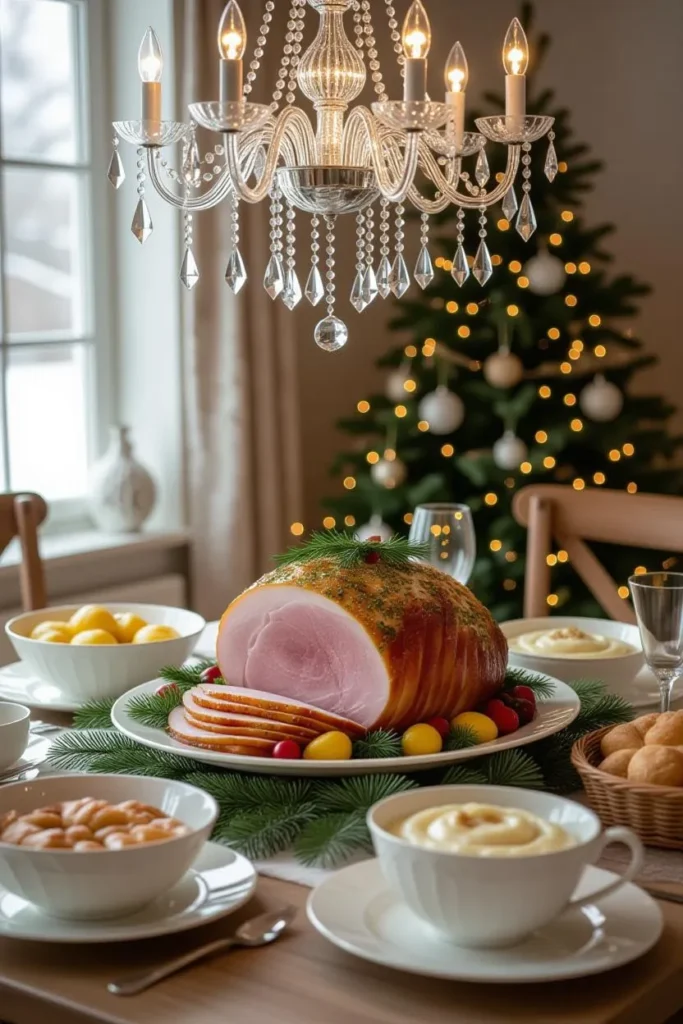
Swedish Christmas Decorations and Symbols
Swedish Christmas decorations are about warmth and simplicity. They bring light to the long, dark winter days. Candles are a staple in Swedish homes, creating an inviting glow.
Symbols like the “Julbock,” or Christmas goat, are central to festivities. Made of straw, the Julbock decorates homes and markets, adding a charming rustic touch.
Star lanterns and natural elements also play a role in Swedish Christmas decor. Swedes often use pinecones, berries, and evergreens to bring nature indoors.
Some common Swedish Christmas decorations and symbols include:
- Candle lights
- Star lanterns
- Julbock
- Pinecone and evergreen arrangements
How Swedes Celebrate: Family, Community, and Festive Spirit
Christmas in Sweden centers around family and friends. It is a time for gathering and enjoying each other’s company. The warmth of these gatherings contrasts beautifully with the cold outside.
Community events also mark the season. Many Swedes participate in local celebrations, creating a strong sense of togetherness. These events include market visits, church services, and festive fairs.
The spirit of festivity permeates the Swedish Christmas. Music, laughter, and the aroma of traditional food fill the air. This joyful atmosphere reminds everyone of the importance of peace and goodwill.
Fun Swedish Christmas Words and Phrases
Learning some Swedish Christmas vocabulary can be both fun and useful. These words help capture the spirit of the season and enhance your holiday experience. Knowing a few phrases will surely impress your Swedish friends.
Here are some common Swedish Christmas words and expressions:
- Julgran – Christmas tree
- Julklapp – Christmas present
- Jultomten – Santa Claus
- Julstjärna – Christmas star
- Snö – Snow
Integrating these words into your greetings or conversations can make interactions more authentic and festive. Embrace the opportunity to sprinkle a bit of Swedish magic into your holiday season.
Tips for Sharing Swedish Christmas Greetings
When sharing Swedish Christmas greetings, keep the spirit of warmth in mind. Whether writing a card or speaking face-to-face, your message should feel heartfelt.
Consider these tips for an authentic touch:
- Use “God Jul” when starting a greeting.
- Include a personal note to make it special.
- End with “Och Gott Nytt År” for New Year wishes.
These small additions can make your greetings unforgettable. Embrace the opportunity to spread joy and kindness this holiday season.
Faqs
What does “God Jul” mean literally in English?
It means “Good Christmas,” the Swedish way to say Merry Christmas.
How do you reply when someone says “God Jul”?
You simply say “Tack, God Jul!” which means “Thank you, Merry Christmas!”
Is “God Jul” used in other Scandinavian countries?
Yes, Norwegians and Danes also say “God Jul.” It’s common across Scandinavia.
When do Swedes usually celebrate Christmas?
Most celebrations happen on December 24, known as “Julafton” or Christmas Eve.
What’s a traditional Swedish Christmas drink?
“Glögg,” a warm spiced wine, is a favorite during the holidays.
Conclusion: Embracing the Joy of “God Jul”
Swedish Christmas traditions hold a unique charm and beauty. “God Jul” is more than a greeting; it captures the warmth of the season.
As we learn and share this festive phrase, we embrace cross-cultural connections. Let “God Jul” be a reminder to celebrate joy, peace, and togetherness with our own loved ones. Whether in Sweden or elsewhere, cherish the spirit it embodies.


