

Timberland hiking shoes offer durable comfort and style, but trail performance trails specialists.
If you want a clear, field-tested answer to How do Timberland hiking shoes compare to other outdoor brands? Ok.. no problem at all. I have logged miles in Timberland, Merrell, Salomon, KEEN, Danner, and HOKA across rain, mud, and rock. Below, I break down real strengths, trade-offs, and which model fits your needs, so you can buy once and hike happy.
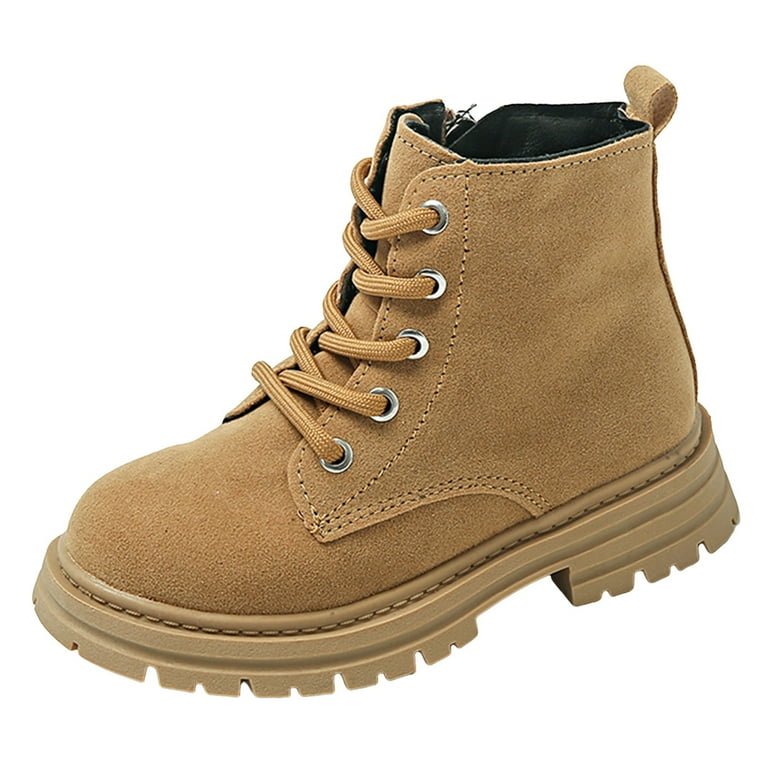
Timberland at a glance: strengths, trade-offs, and who they serve
How do Timberland hiking shoes compare to other outdoor brands? They stand out for leather quality, comfort out of the box, and lifestyle appeal. You get sturdy uppers, plush collars, and balanced support for day hikes and travel. Many pairs use TimberDry waterproof linings, Better Leather from audited tanneries, and recycled materials.
The trade-offs show on steep, wet, and technical terrain. Timberland outsoles grip fine on dirt and light rock, but they lag Vibram or Contagrip on slick slabs and deep mud. They also run heavier than mesh-first shoes. If you hike moderate trails and want something that looks good off-trail, Timberland fits well. If you chase speed or alpine routes, consider a specialist brand.
How do Timberland hiking shoes compare to other outdoor brands? In short, they favor comfort and durability over pure performance. That can be the right call for many hikers.
Fit, comfort, and support compared to Merrell, KEEN, and Salomon
How do Timberland hiking shoes compare to other outdoor brands on comfort? Timberland builds for instant step-in comfort. The padding is generous. The ride is stable and not too soft. Their Anti-Fatigue footbeds help on long days, and midsoles trend toward medium-firm.
Fit notes from the trail:
- Timberland: Regular to slightly wide fit, secure heel, average toe room. Good for day-long comfort.
- Merrell: Often wider in the forefoot, soft midsoles, very comfy for casual hikes.
- KEEN: Known for wide toe boxes and bumper toes, great for high-volume feet.
- Salomon: Precision fit, slimmer midfoot, better lockdown for fast hikes or scrambles.
If you have a wide forefoot and want leather support, Timberland or KEEN may feel best. For fine foot control on steep trails, Salomon wins. How do Timberland hiking shoes compare to other outdoor brands here? They strike a cozy middle ground with a classic boot feel in a shoe package.
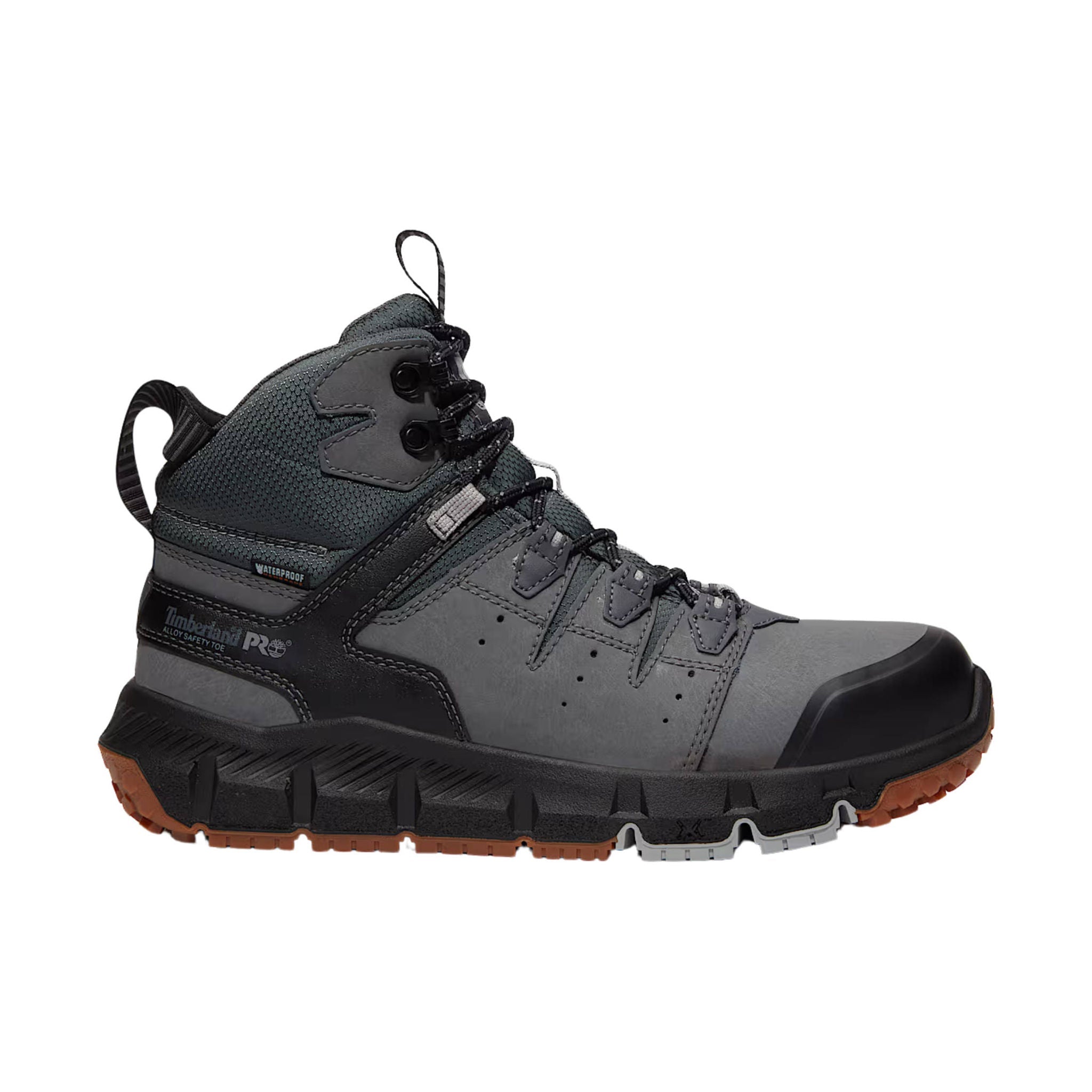
Traction and outsole technologies
How do Timberland hiking shoes compare to other outdoor brands on grip? Timberland rubber is dependable on dry dirt and groomed trails. The lugs tend to be medium depth with a broad pattern. It is stable and predictable.
Where they fall short:
- Wet rock: Vibram Megagrip (Scarpa, La Sportiva, some Merrell) and Salomon Contagrip grab better on slick stone.
- Mud and clay: Deeper, more aggressive lugs from Salomon trail shoes or Inov-8 shed mud faster.
Where they do well:
- Forest paths, fire roads, and mixed city-to-trail walks.
- Shoulder seasons where rock is dry and ground is firm.
How do Timberland hiking shoes compare to other outdoor brands regarding outsole options? You get solid house rubber versus the premium rubber compounds found in mountain-focused brands.
Waterproofing and breathability
How do Timberland hiking shoes compare to other outdoor brands when it rains? Many Timberland models use TimberDry, a waterproof membrane made with recycled materials. It keeps water out in steady rain and shallow puddles. In my tests on wet Pacific Northwest days, TimberDry held up like entry-level Gore-Tex, but breathed a bit less than the newest premium membranes.
Comparisons in the field:
- Gore-Tex (used by Salomon, Lowa, Scarpa): Best blend of waterproofing and breathability for most hikers.
- KEEN.Dry and Omni-Tech (Columbia): Similar tier as TimberDry, good for daily hikes, can run warm in summer.
- No-membrane mesh shoes: Coolest and lightest, but you will get wet. They dry fast.
How do Timberland hiking shoes compare to other outdoor brands for dry feet on long climbs? They are protective, but if heat management matters most, choose a well-vented mesh shoe.
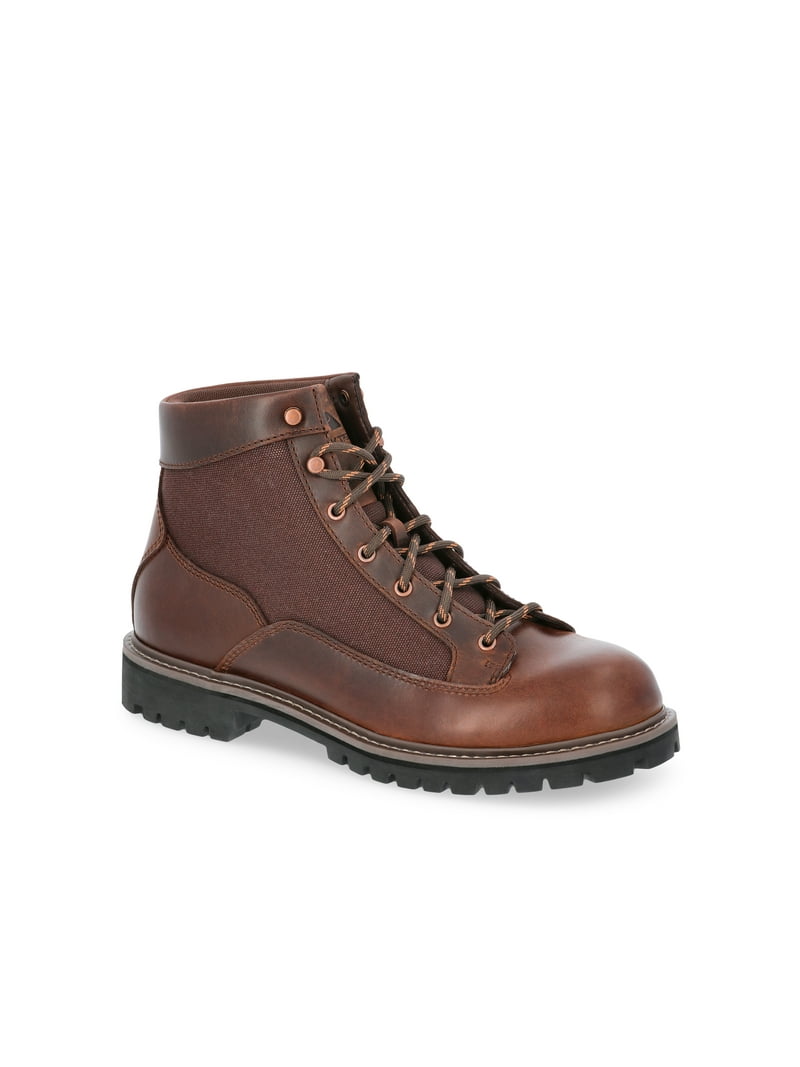
Durability and construction
How do Timberland hiking shoes compare to other outdoor brands on lifespan? Leather uppers from Timberland are tough and resist scuffs. Stitching is neat and consistent. Eyelets and hooks are robust. For mixed trail and town wear, they last.
Durability realities:
- Uppers: Timberland leather beats most mesh shoes for abrasion resistance.
- Midsoles: Similar to Merrell in firmness and lifespan; do not pack out as fast as ultra-soft foams.
- Outsoles: Rubber is long-wearing, but not class-leading on wet grip.
- Recrafting: Many Timberland hiking shoes use cemented soles and are not resoleable, unlike some Danner and Zamberlan boots.
How do Timberland hiking shoes compare to other outdoor brands if you want a multi-year partner? Expect a dependable shoe that looks good longer than a typical mesh hiker.
Weight and on-trail performance
How do Timberland hiking shoes compare to other outdoor brands on weight? Timberland often leans heavier due to leather and padding. That adds stability, but you pay in energy over long climbs.
Use-case matchups:
- Day hikes and travel: Timberland shines. Stable, cushioned, versatile.
- Fast hikes, scrambles, and long ascents: Salomon, La Sportiva, or HOKA feel faster and surer.
- Backpacking with heavy loads: Consider a supportive boot from Lowa, Asolo, or Danner.
How do Timberland hiking shoes compare to other outdoor brands for trail running crossover? They do not compete here. If you want speed, look at HOKA Speedgoat, Altra Lone Peak, or Salomon Pulsar.

Value, price, and warranty
How do Timberland hiking shoes compare to other outdoor brands on price? They usually sit in the mid-range. You can often find deals. The value is strong if you want leather, comfort, and style in one.
Quick guide:
- Budget hikers: Columbia and Hi-Tec undercut on price, but materials can feel cheaper.
- Mid-tier: Merrell and Timberland compete head-to-head; pick based on fit and outsole.
- Premium: Scarpa, La Sportiva, Lowa cost more but deliver best-in-class performance.
Warranty and support are dependable. Most failures I see are outsole wear, not upper blowouts. How do Timberland hiking shoes compare to other outdoor brands for long-term value? They are a smart buy for mixed use and moderate trails.

Sustainability and sourcing
How do Timberland hiking shoes compare to other outdoor brands on sustainability? Timberland invests in Better Leather from audited tanneries and uses recycled PET in linings, laces, and membranes like TimberDry. Packaging often uses recycled content.
Peers and highlights:
- KEEN: Moves fast on PFAS-free water repellents and waste reduction.
- Salomon: Uses recycled materials in select models and improves transparency.
- Danner: Focus on repairability in some boots for longer lifecycles.
How do Timberland hiking shoes compare to other outdoor brands in eco effort? They are above average, with real material choices that cut waste, but some rivals lead in repairability or chemical phase-outs.
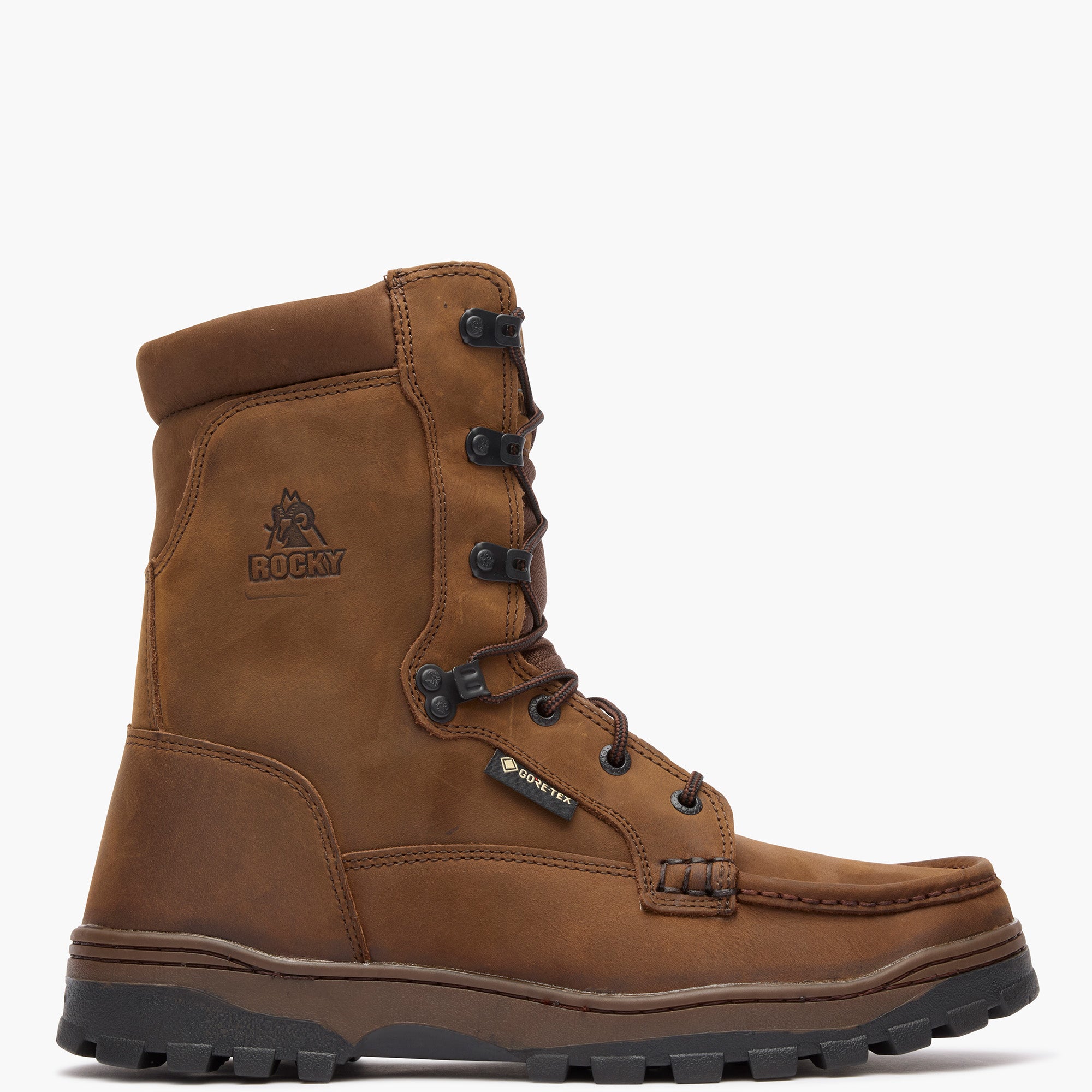
Style and everyday versatility
How do Timberland hiking shoes compare to other outdoor brands for look and wearability? Timberland blends outdoor function with street-ready style. Their leather and clean lines work with jeans or trail pants. If you want one shoe for workdays, travel, and weekend hikes, this is a sweet spot.
Other brands lean sport-tech. Salomon looks fast. HOKA looks maximal. KEEN looks utility-first. How do Timberland hiking shoes compare to other outdoor brands if you value subtle style? They are hard to beat.
Models to consider and smart alternatives
How do Timberland hiking shoes compare to other outdoor brands across key models? Match the shoe to your trail.
Timberland picks I trust:
- Mt. Maddsen: Leather hiker, stable and comfortable for day hikes and travel.
- Chocorua Trail: Classic waterproof hiker with ankle support for rougher paths.
- Garrison Trail: More modern, lighter feel for mixed city-to-trail use.
- White Ledge: Budget-friendly leather hiker for light to moderate trails.
Great alternatives:
- Merrell Moab 3: Cushy, wide-friendly, great price-to-performance.
- Salomon X Ultra 4: Lighter, better on steep terrain, precise fit.
- KEEN Targhee III: Wide toe box, sturdy, good for all-day comfort.
- Danner Trail 2650: Lightweight leather-mesh blend, grippy Vibram, travel-ready.
How do Timberland hiking shoes compare to other outdoor brands in this lineup? Choose Timberland for comfort, leather, and style. Choose the others for lighter weight or sharper grip.
Who should choose Timberland vs others?
How do Timberland hiking shoes compare to other outdoor brands for your needs? Use this quick guide.
Pick Timberland if:
- You prefer leather comfort and a stable ride.
- You split time between city, travel, and easy to moderate trails.
- You value durability and a clean look.
Pick other brands if:
- You hike steep, wet, or technical routes often.
- You want a light, fast shoe for long miles.
- You need a very wide toe box or an exact performance fit.
How do Timberland hiking shoes compare to other outdoor brands in real life? They meet most casual and intermediate needs. Specialists win at the edges.
Fit and care tips to get the most from your shoes
How do Timberland hiking shoes compare to other outdoor brands when it comes to break-in? Leather needs a little time, but Timberland softens fast. Plan a week of short walks before a big trip.
Care tips from the trail:
- Clean dust and mud after hikes to protect leather.
- Condition leather lightly every few months to prevent cracks.
- Reproof waterproofing once or twice a season.
- Swap the insole if you want more arch support or a higher heel cup.
- Allow full dry time between hikes to prevent odor and liner damage.
How do Timberland hiking shoes compare to other outdoor brands on long-term care? They respond well to simple maintenance and can look great for years.
Frequently Asked Questions of How do Timberland hiking shoes compare to other outdoor brands?
Are Timberland hiking shoes good for beginners?
Yes. They are comfortable, supportive, and easy to wear right away. For most local trails, they are more than enough.
Do Timberland hiking shoes run true to size?
They are close to true. If you are between sizes or plan thick socks, go up half a size.
How do Timberland hiking shoes perform on wet rock?
They are safe but not best-in-class. Vibram Megagrip or Salomon Contagrip feels more secure on slick stone.
Are Timberland hiking shoes good for backpacking?
For light loads, yes. For heavy packs and mountain routes, pick a stiffer boot from Lowa, Asolo, or Danner.
How long do Timberland hiking shoes last?
With regular use on moderate trails, expect several seasons. Clean and condition the leather to extend life.
Are Timberland hiking shoes breathable?
They breathe less than mesh shoes. Waterproof models run warmer in summer but stay dry in rain.
Can you use Timberland hiking shoes for daily wear?
Yes. They look good with casual outfits and hold up well for commuting and travel.
Conclusion
How do Timberland hiking shoes compare to other outdoor brands? They excel at comfort, leather durability, and everyday style, while specialist brands win on weight, precision fit, and wet-rock grip. If your hikes are moderate and you want one shoe for trail and town, Timberland is a smart, reliable pick.
Try on two or three options, walk a few blocks, and trust your feet. If this guide helped you narrow the field, explore our other gear deep-dives, subscribe for new reviews, or drop your questions in the comments.


