

They press the P6 acupressure point on your wrist to calm nausea signals.
If you have wondered how do seasick bands work, you are in the right place. I have tested them on ferries, small boats, and long flights. Here is a clear, expert guide that explains the science, what to expect, and how to get the most relief.
What are seasick bands?
Seasick bands are wristbands that target a nerve point linked to nausea control. Most use a small stud that presses the P6 point on the inner wrist. Some add vibration or small electrical pulses to boost the effect.
They are drug-free. They do not make you drowsy. You can wear them for hours. If you came here asking how do seasick bands work, the short answer is pressure on P6 helps settle the body’s motion signals.

How do seasick bands work: the science
Motion sickness happens when your eyes and inner ear disagree. Your inner ear senses movement. Your eyes may not. That mismatch confuses the brain. The result is nausea, cold sweats, and dizziness.
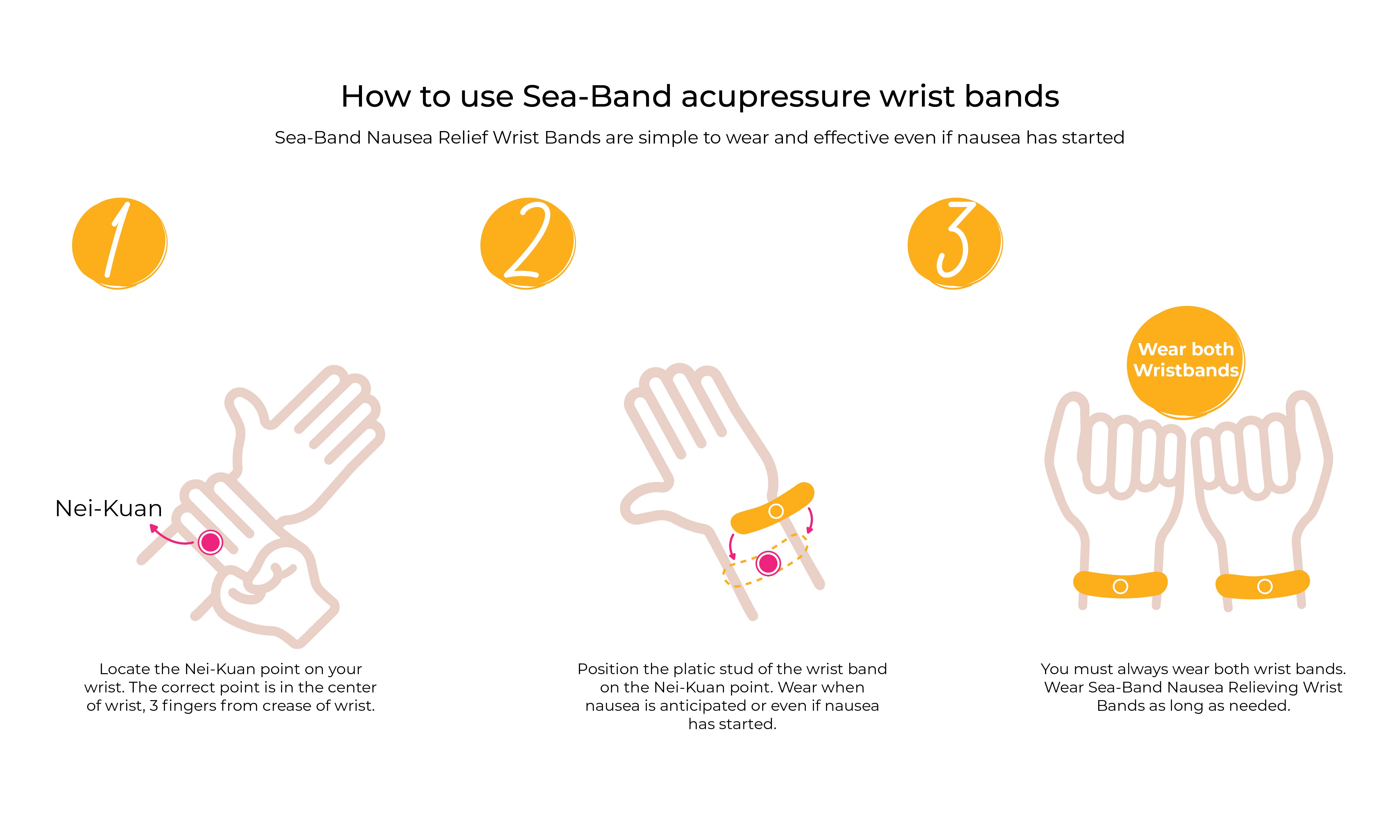
Seasick bands focus on the P6 point, also called Neiguan. It sits about three finger widths below your wrist crease, between two tendons. Light, steady pressure at P6 can reduce nausea by modulating nerve signals that talk to the brainstem and the vomiting center. Studies show that P6 acupressure can help with nausea from motion, pregnancy, and surgery. Some trials show strong effects. Others show a smaller or placebo-like effect. But the safety profile is very good.
If you ask, how do seasick bands work in real life, here is the gist. They send steady input through the median nerve. That input may dampen the mismatch signals that trigger nausea. Advanced bands that vibrate or use tiny pulses add rhythmic stimulation. That may enhance the anti-nausea effect for some users.

Types of seasick bands and how to use them
There are a few main styles.
- Elastic acupressure bands use a sewn-in button to press on P6. These are low cost, easy to pack, and simple to use.
- Adjustable strap bands let you fine-tune pressure. Good for people with thin or large wrists.
- Electronic bands deliver small pulses at P6. Some add gentle vibration or timed patterns to boost relief.
- Kids’ sizes fit smaller wrists. The idea is the same: correct P6 placement and steady pressure.
No matter the style, the core idea is the same. If you wonder how do seasick bands work across types, they all aim to stimulate P6. The delivery differs, but the target is the same.
Evidence: do they actually work?
Clinical trials on P6 acupressure show benefit for nausea in many settings. Postoperative and pregnancy nausea see consistent gains. For motion sickness, results are mixed but promising. Some boat and flight studies show fewer symptoms and less vomiting. Others find modest gains or a strong placebo effect.
So, how do seasick bands work when the evidence varies? Two key points help explain it.
- Timing matters. Wearing bands before symptoms start works better than after you feel sick.
- Fit and placement matter. Off-target placement reduces the effect.
Systematic reviews note low risk and potential benefit. That is why many clinicians say they are worth trying, especially with other non-drug steps.

How to wear seasick bands for best results
Correct placement is everything.
- Find your P6 point. Place three finger widths below your wrist crease on the palm side. The point sits between the two central tendons.
- Center the stud on that spot. Tighten until you feel firm, not painful, pressure.
- Wear on both wrists. That doubles your odds of good coverage.
- Put them on early. Wear them 30 minutes before you board or start a drive.
- Check placement often. Bands can slide when you sweat or move.
If you are still asking how do seasick bands work for tougher cases, add light snacks, fresh air, and a forward-facing seat. The combo often works better than any one thing.
When to use them, combine with other remedies, and safety
Seasick bands fit well into a layered plan. They are safe for most people, including kids and pregnant travelers. Ask your clinician if you have circulation issues, skin problems on the wrist, or a pacemaker when using electronic bands.
For stronger protection, combine methods.
- Stable gaze. Look at the horizon. Avoid reading.
- Position. Sit mid-ship, near the wings of a plane, or front seat in a car.
- Air and smell. Cool air and ginger candy can help.
- Hydration. Sip water. Avoid heavy, greasy meals.
Wondering how do seasick bands work with medicine? You can use them with meclizine, dimenhydrinate, or scopolamine if advised. Bands can reduce the dose you need.

Real-world tips from experience
I have coached racing crews and family travelers. The same small habits set you up for success.
- Preload the routine. Put bands on before you leave home. Do not wait for the first wave.
- Set and forget. Once placed, resist the urge to move them unless you feel no pressure.
- Keep a backup pair. Sweat or sunscreen can make bands slide. A dry spare helps.
- Pair with ginger. Chews or capsules often add a mild, safe boost.
These steps are simple, but they work. If you are still thinking, how do seasick bands work for someone who gets sick fast, start earlier and add the ginger plus cool air combo.

Troubleshooting common problems
If relief is weak, try these fixes.
- Wrong point. Recheck the three-finger rule and tendon landmarks. Slide the stud until nausea eases.
- Too loose or too tight. You should feel pressure but no numbness or sharp pain.
- Late start. Put them on earlier next time. Many users see better results with a head start.
- One wrist only. Use both wrists for better coverage.
- Band quality. Some cheap bands have dull studs. Upgrade to a band with a defined button or use an adjustable strap.
As you refine fit and timing, you will feel the difference. And yes, how do seasick bands work best? With precise placement and early use.

Buyer’s guide and cost
What should you look for?
- Clear sizing. Measure your wrist. A good fit prevents slipping.
- Defined pressure button. A raised stud targets P6 better.
- Washable materials. Salt and sweat can degrade elastic. Pick washable bands.
- Return policy. Try them before a big trip if you can.
- For electronic bands. Look for adjustable intensity, medical-grade materials, and clear safety notes.
Pricing varies. Elastic bands cost little and last years. Electronic bands cost more but may help stubborn cases. If your main question is how do seasick bands work for value, start with a simple elastic pair. Upgrade if you need more power.
Frequently Asked Questions of how do seasick bands work
Do I need to wear bands on both wrists?
Yes, wear them on both wrists. Bilateral pressure increases your chances of hitting P6 correctly and keeping relief steady.
How long can I wear seasick bands?
You can wear them for the whole trip. Take breaks if your skin gets sore, then reapply with correct placement.
Do seasick bands help on flights and in cars?
Yes. They can help with air and car sickness. Sit where motion is smoothest and look forward to boost results.
Can kids use seasick bands?
Yes, many bands come in kids’ sizes. Check placement carefully because small wrists make precision more important.
Do seasick bands replace medication?
They can reduce the need for medication but may not replace it for everyone. Ask your clinician if you have severe symptoms or need a combo plan.
Are electronic seasick bands better than elastic ones?
They may help people who need stronger stimulation. Try elastic first, then consider electronic if you want more control.
What if I still feel sick while wearing bands?
Recheck placement, tighten slightly, and get fresh air. Add ginger or an approved medicine if needed.
Conclusion
Seasick bands offer a simple, drug-free way to calm motion nausea. They work by pressing the P6 point on your wrist, which helps settle the brain pathways that trigger nausea. Results improve with early use, precise placement, and smart travel habits.
If you have a trip coming up, test your bands at home, mark your P6 point, and plan a backup like ginger or a non-drowsy med. Share your experience or questions below, and subscribe for more practical, evidence-based travel health tips.


