

North America bursts with superlatives, rare wildlife, and world-changing culture at every turn.
If you enjoy short and fun facts, this guide is perfect for you. I’ve spent years learning and traveling across North America, and now I want to share the most interesting things I discovered. From strange weather to very old rocks, these fun facts show how big and unique North America really is. Keep reading for simple explanations, real stories, and helpful tips that make everything easy to understand.

The Land of Big Extremes
North America is home to stunning geographic records. Canada has the world’s longest coastline, and the Great Lakes hold about one fifth of Earth’s surface fresh water. Denali towers over Alaska at 20,310 feet, while Death Valley dips to 282 feet below sea level.
You also get a full menu of landscapes. The Arctic, the Rockies, the Sonoran Desert, and the Caribbean all sit in one continent. The Mississippi–Missouri river system stretches for about 3,700 miles. These fun facts about North America show a place of bold edges and big numbers.
- Canada’s coastline winds for more than 120,000 miles.
- Greenland is the world’s largest island that is not a continent.
- The Great Lakes touch eight U.S. states and two Canadian provinces.
Wildlife Wonders You Won’t Forget
Monarch butterflies migrate thousands of miles to winter in Mexico’s high forests. In Florida’s Everglades, American alligators and American crocodiles live side by side. This is the only place in the world where that happens.
The American bison came back from the edge of extinction. Today there are hundreds of thousands, thanks to public and private efforts. Polar bears roam Arctic coasts, while axolotls survive as a rare lake-dwelling salamander near Mexico City. These fun facts about North America show how nature adapts and endures.
- Monarchs use the sun and Earth’s magnetic field to navigate.
- Bison once dropped to under 1,000 animals in the wild.
- Gray whales make epic coastal migrations each year.
People, Languages, and Culture at Scale
North America is a language mosaic. English, Spanish, and French lead, while hundreds of Indigenous languages add deep roots. In the United States, Navajo is the most spoken Native American language.
Mexico City is the largest metro area in the region. New York, Los Angeles, and Toronto follow with global reach in finance, media, and tech. From jazz and hip-hop to Día de los Muertos, culture here travels the world. These fun facts about North America reflect its creative power.
- Canada protects English and French at the federal level.
- The Caribbean adds Creoles and vibrant oral traditions.
- Indigenous art and law shape modern policy and design.
Record-Setting Nature and Landmarks
Mammoth Cave in Kentucky is the longest cave system on Earth. The Bay of Fundy in Canada delivers the world’s highest tides. Redwoods in California are the tallest trees on the planet.
The Acasta Gneiss in Canada is among the oldest known rocks, more than four billion years old. The Trans-Canada Highway ranks among the longest national routes on the globe. These fun facts about North America pair raw nature with feats of access and engineering.
- Niagara Falls moves tens of thousands of cubic feet of water each second.
- Yellowstone hosts geysers, hot springs, and a giant volcanic system.
- The Grand Canyon reveals rocks stacked like a time machine.
Food, Ideas, and Inventions Born Here
Maize was first domesticated in Mexico. Chocolate also began in Mesoamerica with cacao. Maple syrup flows from sugar maple trees in Canada and the northern United States.
Basketball was invented by James Naismith, a Canadian teacher, in Massachusetts in 1891. The Wright brothers flew the first powered airplane in North Carolina in 1903. Many modern tools, from the microchip to the credit card, grew here. These fun facts about North America show how it feeds and rewires the world.
- Tacos and barbecue vary by region and spark friendly debates.
- Poutine is a comfort classic in Canada.
- Indigenous cuisines use corn, beans, and squash in smart, healthy ways.
Wild Weather, Big Forces
Death Valley logged one of the hottest temperatures ever recorded on Earth. Snag, Yukon, set North America’s coldest reading at minus 81 degrees Fahrenheit. Tornado Alley sees more twisters than anywhere else.
Hurricanes sweep the Gulf and Caribbean, while the Pacific brings atmospheric rivers and winter storms. In the Bay of Fundy, tides can rise as high as a small building. These fun facts about North America reveal how weather shapes daily life, travel, and design.
- Alaska sits on the Pacific Ring of Fire with many volcanoes.
- Drought and wildfire seasons are getting longer in places.
- Coastal cities boost flood defenses with new tech.
Borders, Time Zones, and Map Quirks
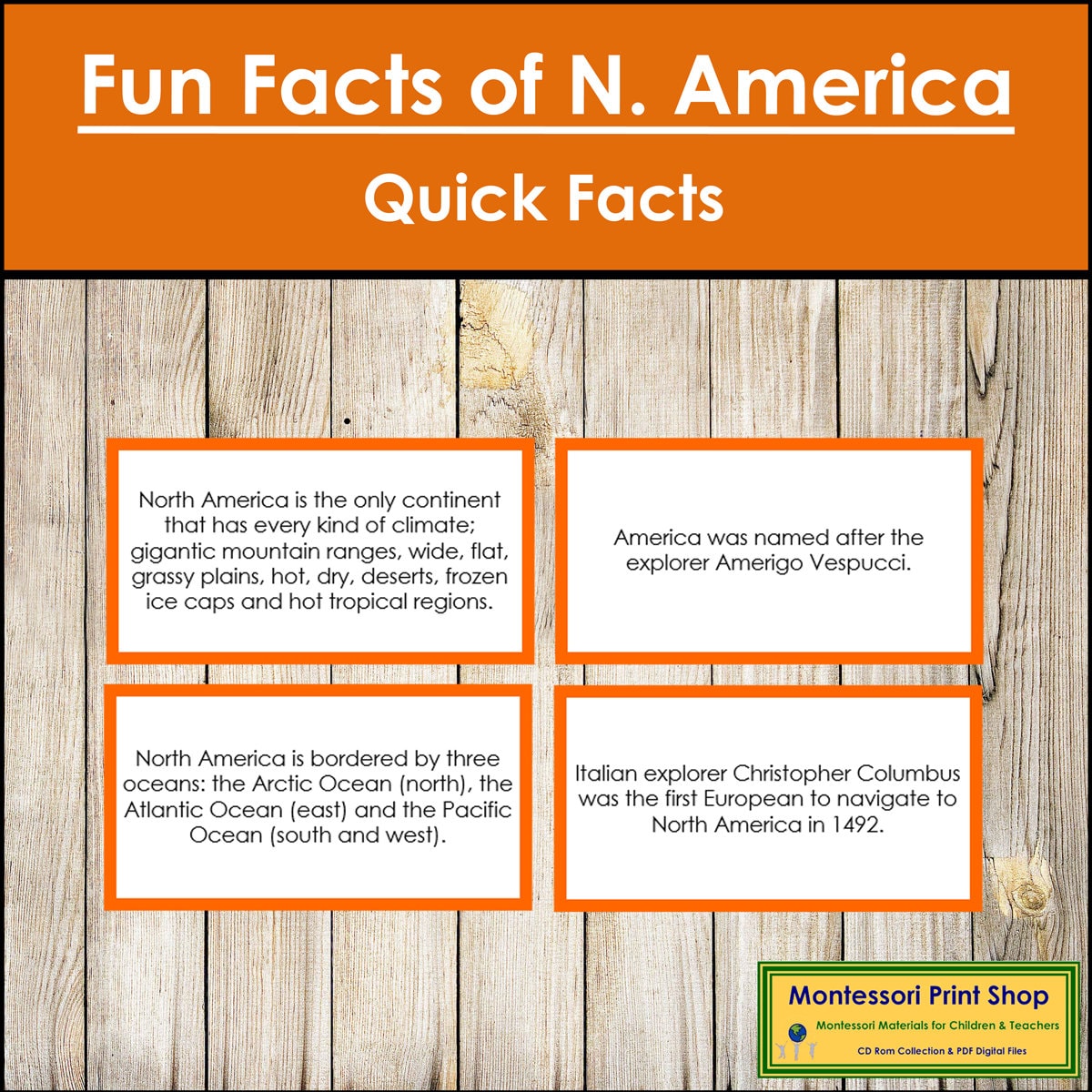
The U.S.–Canada border is the longest international land border on Earth. Four Corners is the only point in the U.S. where four states meet. The Diomede Islands sit about 2.4 miles apart, yet almost a day separates their time zones.
North America spans many time zones, from Alaska to Greenland. Some places even shift half-hours or skip daylight saving time. These fun facts about North America make maps feel like puzzles.
- The 49th parallel shapes a long stretch of the U.S.–Canada border.
- Panama’s canal links two oceans and reshaped trade.
- Some borders split towns, streets, and even buildings.

How to Explore These Facts in Real Life
I plan trips around themes. One summer, I chased geologic giants from the Grand Canyon to Yellowstone. Another year, I followed monarchs south through Texas to the mountains of Mexico. That hands-on approach makes fun facts about North America stick.
You can do the same with simple steps. Pick one topic, like waterfalls or trains, then map 3 to 5 spots. Travel light, ask locals, and go off the main road when safe. These fun facts about North America feel richer when you taste, touch, and hear them.
- Take a coastal rail ride in Canada for lake and forest views.
- Road trip across U.S. national parks in shoulder season.
- Eat street tacos in Mexico City, then visit a local market.
Frequently Asked Questions of fun facts about north america
What makes North America unique among continents?
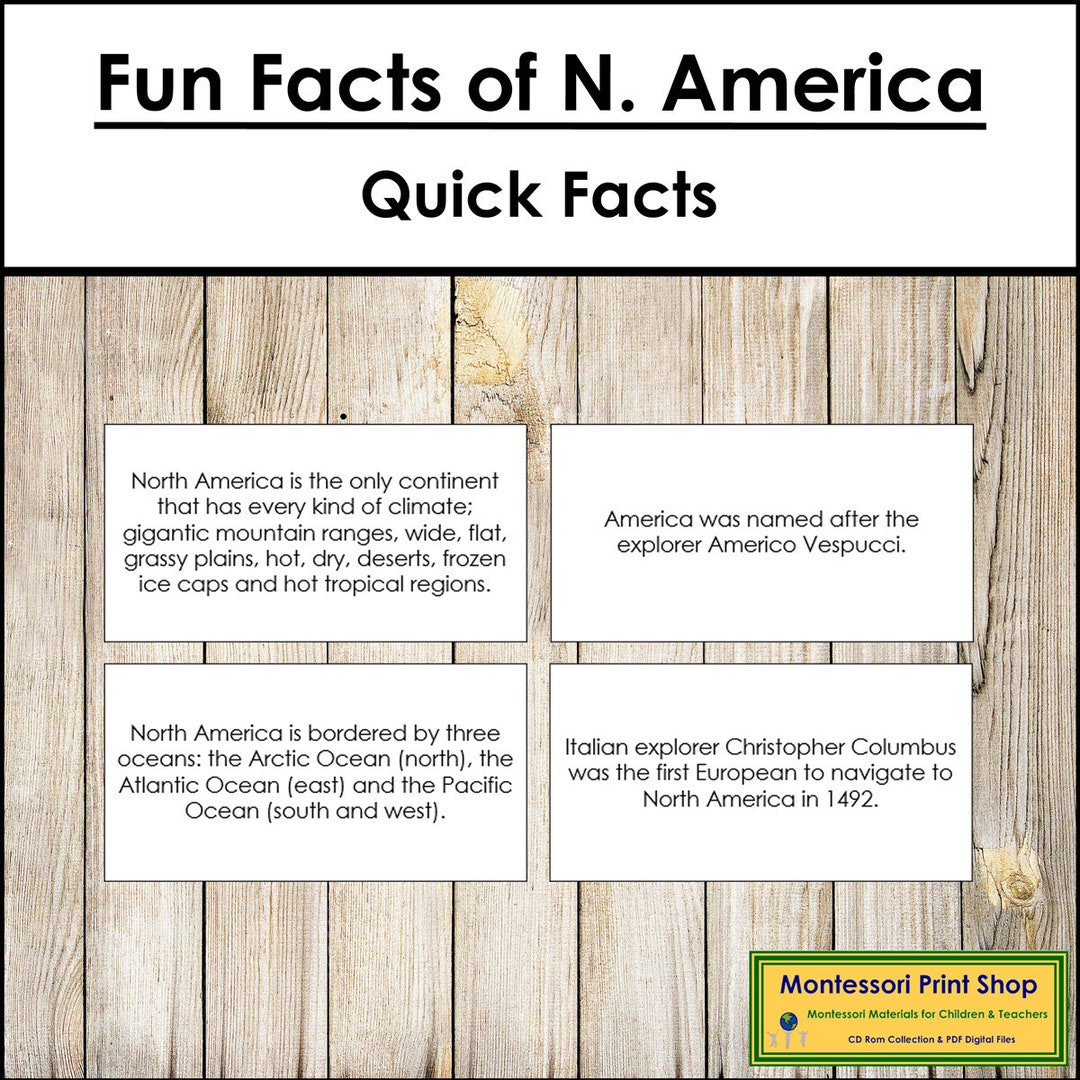
Its range is stunning. You get Arctic ice, tropical beaches, vast plains, giant mountains, and mega-cities on one map. Many fun facts about North America come from that huge spread.
Which city is the largest in North America?
Mexico City is the largest metro area by population. New York is close, and both lead in culture, business, and tourism.
What is the highest point and the lowest point?
Denali in Alaska is the highest peak at 20,310 feet. Badwater Basin in Death Valley is the lowest at 282 feet below sea level.
Are there any animals found together here that are rare elsewhere?
Yes. The Florida Everglades host both American alligators and American crocodiles. That overlap is rare in the wild.
What are some key inventions from North America?
Basketball, the airplane, and the microchip are standouts. Many modern finance and retail tools, like the credit card and barcode, also started here.
Is the Great Lakes system really that big?
Yes. The lakes hold about one fifth of the world’s surface fresh water. They shape climate, trade, and culture for two countries.
Conclusion
From tide walls in Canada to skyscraper forests in California, these fun facts about North America show a continent that never sits still. The land is bold, the weather is dramatic, and the cultures are alive and inventive. Each fact is a doorway to a deeper story.
Pick one theme and plan a small trip, even if it’s a weekend. Share your own fun facts about North America with friends, and keep a simple journal of what you learn. If you enjoyed this guide, subscribe for more travel-smart insights, ask a question, or drop your favorite fun facts about North America in the comments.