

Saucony Excursion TR17 and TR15 are reliable, grippy, and budget-friendly picks.
You want a shoe that can cruise on a morning run and handle muddy switchbacks on the weekend. I get it. Your legs want cushion. Your feet want grip. Your wallet wants value. The right hybrid trail runner gives you all three. It also saves space in your closet and your pack. In this guide, I break down what actually matters when you shop for the best shoes for hiking and running. I also review two popular Saucony picks that deliver strong results for mixed use without breaking the bank.
Saucony Men’s Excursion Tr17, Shadow/Black 9.5

The Saucony Excursion TR17 balances trail grip with road comfort. It uses a stable platform that feels secure on dirt and gravel. The cushioning is soft enough for daily runs. It also holds up for light hikes with a small pack. The outsole has spaced lugs for mud release and bite on wet paths.
The fit is true for most feet, with a medium volume upper. The toe box has enough room for natural splay. The heel padding locks in without rubbing. The upper mesh breathes well in warm weather. This is a workhorse for people who mix pavement, greenways, and easy trails.
Pros:
- Balanced cushioning that handles runs and day hikes
- Grippy outsole with lugs that shed mud well
- Breathable mesh upper for warm, humid days
- Comfortable heel lock with reduced slip
- Durable toe bumper for root and rock taps
- Good value for entry-level trail runners
Cons:
- Not ideal for heavy packs or alpine routes
- Water resistance is minimal in deep puddles
- Midsole feels firm in cold weather for some runners
My Recommendation
If you want one pair for mixed miles, start here. The Excursion TR17 feels smooth on the road but grips on dirt. It shines for 5Ks, lunch trail loops, and weekend hikes. The shoe supports new runners and busy hikers who want simple gear. For many buyers, it is among the best shoes for hiking and running at a fair price.
| Best for | Why |
|---|---|
| Daily road-to-trail runs | Stable ride and versatile lug pattern |
| Light hikes and park trails | Durable toe cap and secure heel fit |
| Budget-conscious buyers | Strong value without major trade-offs |
Saucony Men’s Excursion Tr15, Space/Alloy, 10.5 Wide
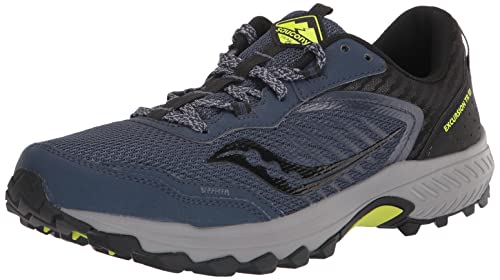
The Saucony Excursion TR15 in wide fit gives extra forefoot room. This is helpful for runners with broad feet or mild bunions. The midsole feels a touch firmer than the TR17. That can add support for longer walks or hikes. The outsole lugs are deep enough for gravel and damp trails.
The upper uses sturdy mesh with supportive overlays. It cleans up fast after muddy runs. The heel collar is padded and resists hot spots. The wide version adds comfort for thick socks. If you need a wider platform for stability, this model fits the bill without excess weight.
Pros:
- Wide fit option for extra toe and forefoot space
- Firm, supportive midsole for long days on feet
- Durable mesh stands up to abrasion
- Reliable traction on mixed terrain
- Good price for everyday trail use
- Easy to clean after wet or muddy runs
Cons:
- Not as soft as newer cushioned models
- Heavier than pure road shoes
- Breathability can feel warm with thick socks
My Recommendation
Pick the Excursion TR15 Wide if your feet want more room. It gives stable support for walks, jogs, and casual hikes. The shoe is steady on gravel and light mud. It is a smart pick for beginners or return-to-run plans. It belongs on any shortlist for the best shoes for hiking and running, especially if you need a wider fit.
| Best for | Why |
|---|---|
| Wide-foot runners | Extra space prevents pinch and numbness |
| Long walks and easy hikes | Supportive midsole reduces foot fatigue |
| Mixed terrain commutes | Grippy lugs and durable upper |
How to Choose the Best Shoes for Hiking and Running
The right shoe saves your feet and your day. It should match your terrain, your stride, and your goals. Use these simple rules to narrow the field. Focus on grip, cushion, fit, and protection. Those four points will guide most choices.
Also think about distance. Short runs need less cushion than long hikes. Heavy packs demand more support. Wet trails call for deeper lugs. Rock gardens need toe guards. Simple choices like these keep you safe and fast.
Grip and Outsole Design
Traction makes or breaks a hybrid shoe. Look for rubber with a good mix of stick and wear life. The best shoes for hiking and running use multi-directional lugs. That helps you climb, brake, and turn. Lug depth between 3 mm and 5 mm works for most mixed trails.
Widely spaced lugs shed mud better. Smaller, tighter lugs roll smoother on road. If you run more pavement, go shallower. If you hike in deep mud, go deeper. A rock plate adds protection for sharp stones. It is nice on rocky paths and fire roads.
Cushion and Ride Feel
Cushion protects your joints. It also affects speed and stability. Softer foam feels plush on runs and walks. Firmer foam feels stable on hikes with a pack. Many of the best shoes for hiking and running use an EVA blend. It balances bounce, weight, and cost. Newer foams add more energy return. They also cost more and sometimes wear faster.
Match the cushion to your use. Do you run three miles after work? A mid-soft ride works well. Do you hike five hours on the weekend? You may want firmer support. Try both to see what your legs like.
Fit, Volume, and Toe Box
Fit is king. Your shoe should hold the heel. It should lock the midfoot. The toes should spread. Leave about a thumb width of space in front of the big toe. Feet swell on hikes and long runs. A bit of room saves nails and skin.
Wide sizes help if you get numb toes. Some brands run narrow or wide. The best shoes for hiking and running often come in multiple widths. Try at the end of the day. That is when your feet are larger. Wear the socks you plan to use on the trail.
Upper Materials and Protection
Uppers need breathability and support. Mesh is light and cool. Overlays add structure and durability. Look for a toe bumper and a firm heel counter. Those help on rocky terrain and rough ground.
Consider drainage if you cross streams. Light shoes dry faster. Waterproof liners keep out water for a while. They also trap heat. In warm climates, I pick breathable shoes. In cold rain and snow, I choose a waterproof model.
Weight and Flexibility
Lighter shoes feel fast. They also reduce fatigue over long miles. But ultra-light shoes can be less stable on rough ground. Stiff shoes protect more. Flexible shoes feel better on runs. The best shoes for hiking and running strike a balance.
Try a simple flex test. Hold the shoe at heel and toe. Bend and twist. Look for a little flex at the forefoot. Too floppy means less support. Too stiff can feel harsh on runs.
Stability and Support
Some runners need extra stability. Look for a wide base and a secure midfoot wrap. Mild guidance features can help if you overpronate. On trails, stability comes from the platform and the tread. It also comes from your stride and strength.
If you carry a pack, add support. A firmer midsole and a stable heel can help. The best shoes for hiking and running keep you centered on uneven ground. They also let your foot move in a natural way.
Durability and Value
Outsoles should last a few hundred miles. Uppers should resist scuffs and tears. Stitching should be tidy. Eyelets should be strong. If you see early fray, skip that model.
Value is not just the price tag. It is cost per mile. A shoe that lasts longer can be the better buy. The Saucony Excursion line is strong in this area. It delivers solid life for the money.
Who Should Buy Hybrid Trail Runners?
Hybrid trail runners fit many people. They are great for road-to-trail runs. They work for parks, gravel, and greenbelts. They handle casual hikes with friends. They also shine for travelers who pack light.
If you only run pavement, a road shoe is better. If you climb peaks with heavy loads, a hiking boot is safer. For all the middle ground, the best shoes for hiking and running beat a single-purpose shoe. They give you freedom to explore without swapping gear.
How I Test Shoes for Mixed Terrain
I use a simple plan. I run on road, gravel, and dirt in one loop. I add short hill climbs and descents. I cross a shallow creek or a wet lawn if I can. I watch for grip, roll, and comfort.
I hike for an hour with a light pack. I pay attention to hot spots and heel slip. I check for toe pressure on descents. I also look at mud shed and rock protection. The best shoes for hiking and running feel calm in all these cases.
Common Mistakes When Buying Hybrid Shoes
- Buying too small. Feet swell. Leave room for the toes.
- Picking deep mud lugs for road runs. It will feel harsh and loud.
- Choosing waterproof in hot, dry areas. Your feet will overheat.
- Overlooking heel lock. Slip causes blisters on hikes.
- Ignoring weight. Heavy shoes feel slow over time.
Care Tips to Extend Shoe Life
Dry shoes at room temp. Do not bake them in direct heat. Stuff them with newspaper to wick moisture. Rotate pairs if you run often. This gives foam time to rebound.
Rinse mud off after wet runs. Use a soft brush for the outsole. Hand wash the upper with mild soap if needed. Air dry fully. Store in a cool, dry spot. Small habits add months to your shoes. The best shoes for hiking and running can last longer with simple care.
Road vs Trail vs Hybrid: What Changes?
Road shoes are smooth and light. They feel soft and fast on pavement. Trail shoes add lugs, plates, and protection. They handle rocks and roots. Hybrid shoes sit in the middle. They blend ride comfort with grip.
If your week includes city miles and dirt paths, choose hybrid. If you split your time 50/50, hybrid is ideal. If you go 80% trail, pick a true trail shoe. The best shoes for hiking and running often lean hybrid. This gives you the most range from one pair.
Signs Your Shoes No Longer Work
- Outsole lugs are flat or torn.
- Midsole feels dead and thin.
- Upper has holes or the heel counter is crushed.
- New aches in knees, hips, or arches.
- Blisters in spots that never rubbed before.
At that point, retire them to lawn duty. Then get a fresh pair. Your body will thank you.
Fit Hacks for Better Comfort
Use runner’s loop lacing for heel lock. It reduces slip on descents. Try a surgeon’s knot over the midfoot for extra hold. Swap to thin socks in summer. Use slightly thicker socks in winter. In wide models, a medium-thick sock can dial in the fit.
Custom insoles can help if you have arch pain. But start with the stock insole. Many shoes are tuned that way. If you need more support, add it later. The best shoes for hiking and running should feel good out of the box.
Budget vs Premium: What Do You Gain?
Premium shoes can be lighter and bouncier. They often use special foams and stickier rubber. They also cost more and may wear faster. Budget models like the Excursion series use proven foams and rubber. They weigh a bit more but last well for the price.
Choose based on use. If you race or want max pop, go premium. If you log daily miles and weekend hikes, value shoes make sense. The best shoes for hiking and running give you the features you need at a fair cost.
Seasonal Tips for Trail Runners
In summer, focus on breathability and drainage. Pick light socks and vented uppers. In fall, choose slightly deeper lugs for wet leaves. In winter, look for more grip and warmer socks. In spring, expect mud. Clean often to protect the upper and stitching.
Always carry a small blister kit on hikes. A piece of tape can save a long day. The best shoes for hiking and running help, but feet still swell and rub. Plan ahead and enjoy the miles.
Travel and Commuter Use
One shoe for many surfaces is great for travel. Hybrid trail runners shine in airports, city walks, and park trails. They pack well and dry fast. You can jog at dawn and hike at noon with no change.
Commuters who run to work benefit too. Grip for rain, cushion for pavement, and protection for debris. The best shoes for hiking and running keep you safe and comfortable across your route.
FAQs Of best shoes for hiking and running
Can I use one pair for both trails and road?
Yes. Pick a hybrid with moderate lugs and stable cushioning. It will feel smooth on road and safe on dirt.
Do I need waterproof shoes?
Only if you hike in cold rain or wet snow. In warm weather, breathable shoes dry faster and feel cooler.
How much room should I leave in the toe?
About a thumb’s width between your big toe and the front. This allows for swelling and downhill comfort.
Are rock plates necessary?
They help on rocky trails. For smooth dirt or gravel, a rock plate is optional.
How long will hybrid trail runners last?
Many last 300 to 500 miles. Care, terrain, and your gait all affect lifespan.
Final Verdict: Which Should You Buy?
The Saucony Excursion TR17 is the best all-around pick for most. It blends grip, comfort, and value. It is one of the best shoes for hiking and running if you split time between road and trail.
Need extra room? Choose the Excursion TR15 Wide for a stable, roomy fit. Both models deliver strong traction and everyday comfort at a fair price.


