
Late spring to early fall for comfort; September–March for Northern Lights magic.
I have visited the Blue Lagoon many times with Mertin. When I was studying in Iceland, I went there in every season to enjoy the different vibes. I have tracked weather, daylight, and crowd data for years. In this blog I will tell you about the best time to visit Blue Lagoon Iceland.
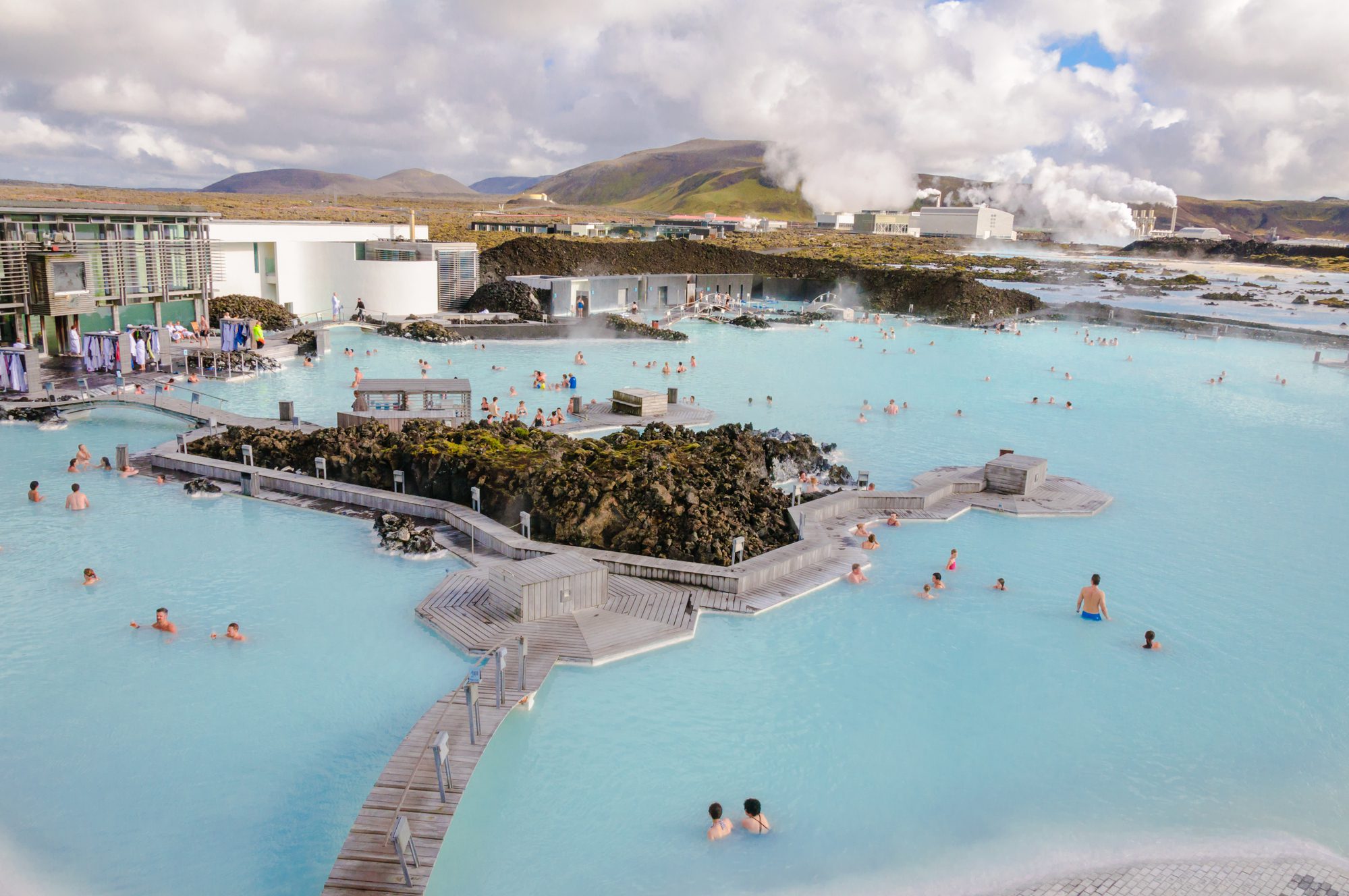
Why the best time to visit Blue Lagoon Iceland matters
The Blue Lagoon is open all year. The water stays warm in every season. But your experience changes a lot with light, weather, and crowds. That is why the best time to visit Blue Lagoon Iceland depends on what you want.
Think about daylight first. Summer brings long days and soft light. Winter brings dark skies and a chance to see the aurora. Next, consider crowds and price. Peak months feel busy and cost more. Shoulder seasons feel calm and can cost less. Then, match your goals to the calendar. Spa bliss. Photos. Romance. Family time. Recovery after a flight. Your goals set the best time to visit Blue Lagoon Iceland for you.
Here is how to choose with confidence.
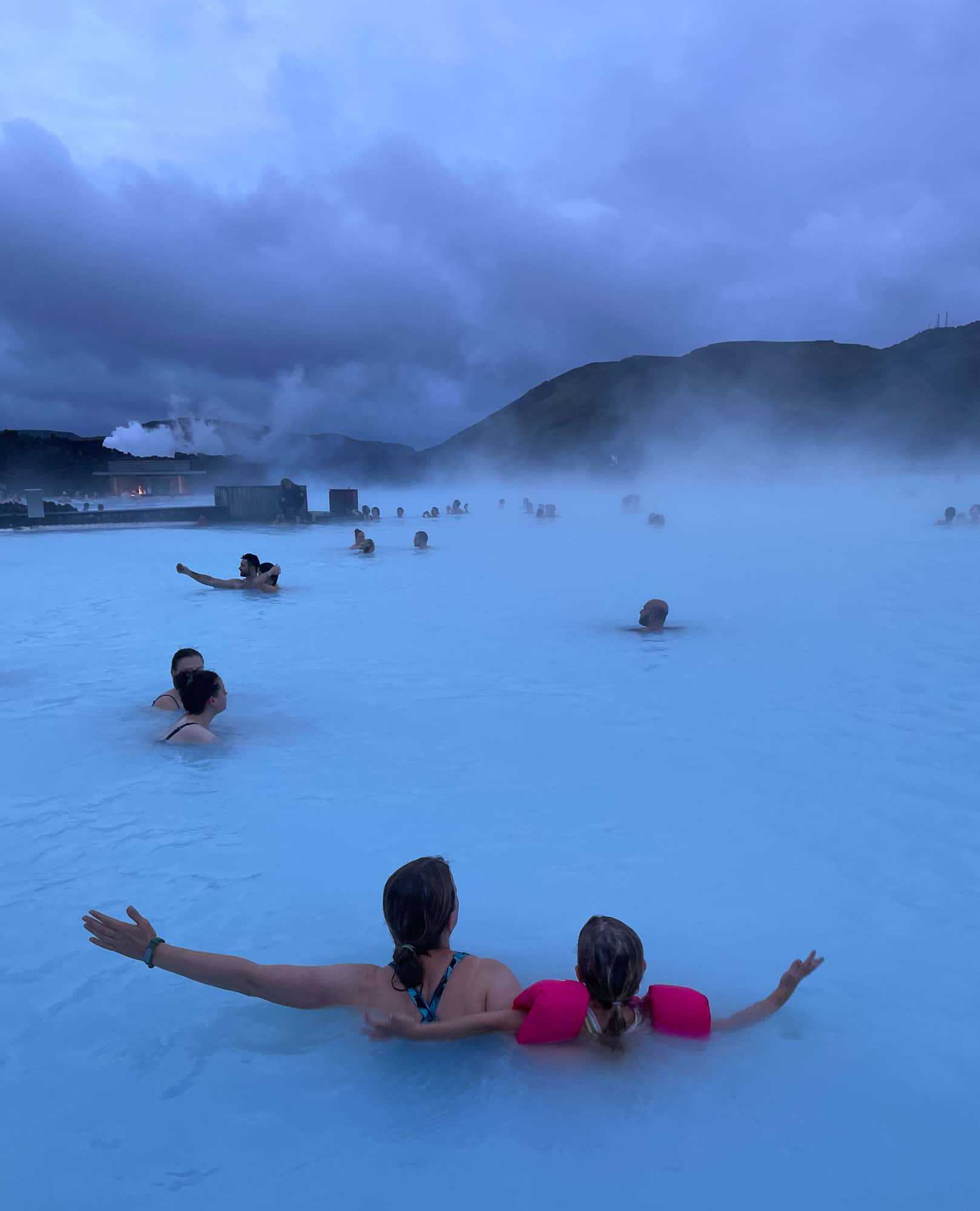
Month-by-month guide to the Blue Lagoon
January
- Pros: Lowest daylight but fewer crowds. Great for Northern Lights before or after your soak.
- Cons: Cold air, wind, and slick paths. Book transport with a buffer for weather delays.
- Tip: Aim for late morning to enjoy the warmest part of the day.
February
- Pros: Quiet vibe, Valentine’s trips, soft snow scenes.
- Cons: Short days. Icy conditions.
- Tip: Keep an eye on the weather forecast and road alerts.
March
- Pros: Longer days begin. Aurora still possible.
- Cons: Unstable weather. Can be windy.
- Tip: Early slots feel serene. I loved a 8 a.m. dip in March. It was calm and clear.
April
- Pros: Shoulder season sweet spot. Milder air and more daylight.
- Cons: Spring storms can pop up.
- Tip: This month often balances price and peace.
May
- Pros: Lush moss, bright light, fewer buses than high summer.
- Cons: Not peak warmth yet.
- Tip: Great if you want photos without midnight crowds.
June
- Pros: Midnight sun vibes, long hours, easy driving.
- Cons: Peak demand and higher prices.
- Tip: Book first or last time slots for space. This is a popular best time to visit Blue Lagoon Iceland for light lovers.
July
- Pros: Warmest air, easy logistics, long open hours.
- Cons: Very busy. Tickets sell out fast.
- Tip: Buy tickets weeks ahead. Pick late evening for a golden glow.
August
- Pros: Still bright. Aurora can return late month.
- Cons: High demand continues.
- Tip: The last week can bring both summer light and first aurora chances.
September
- Pros: Shoulder season returns. Good rates, soft sunsets, early aurora.
- Cons: More rain. Unstable skies.
- Tip: This is my personal best time to visit Blue Lagoon Iceland for balance.
October
- Pros: Fewer crowds than summer. Strong aurora nights.
- Cons: Shorter days. Wet and windy spells.
- Tip: Bring a warm hat and quick-dry layers.
November
- Pros: Budget-friendly. Moody, dramatic light.
- Cons: Storms and very short days.
- Tip: Enjoy the silica bar while the wind howls. The water is the same cozy temp.
December
- Pros: Festive trips, aurora, peaceful mornings.
- Cons: Few daylight hours. Weather breaks plans.
- Tip: Book flexible tickets and transfers. Add buffer time.
Across the year, the water sits near 37–40°C. That keeps the soak steady. The best time to visit Blue Lagoon Iceland will change mostly with light, crowds, and air chill. Choose the month that fits your goals, and you will do well.
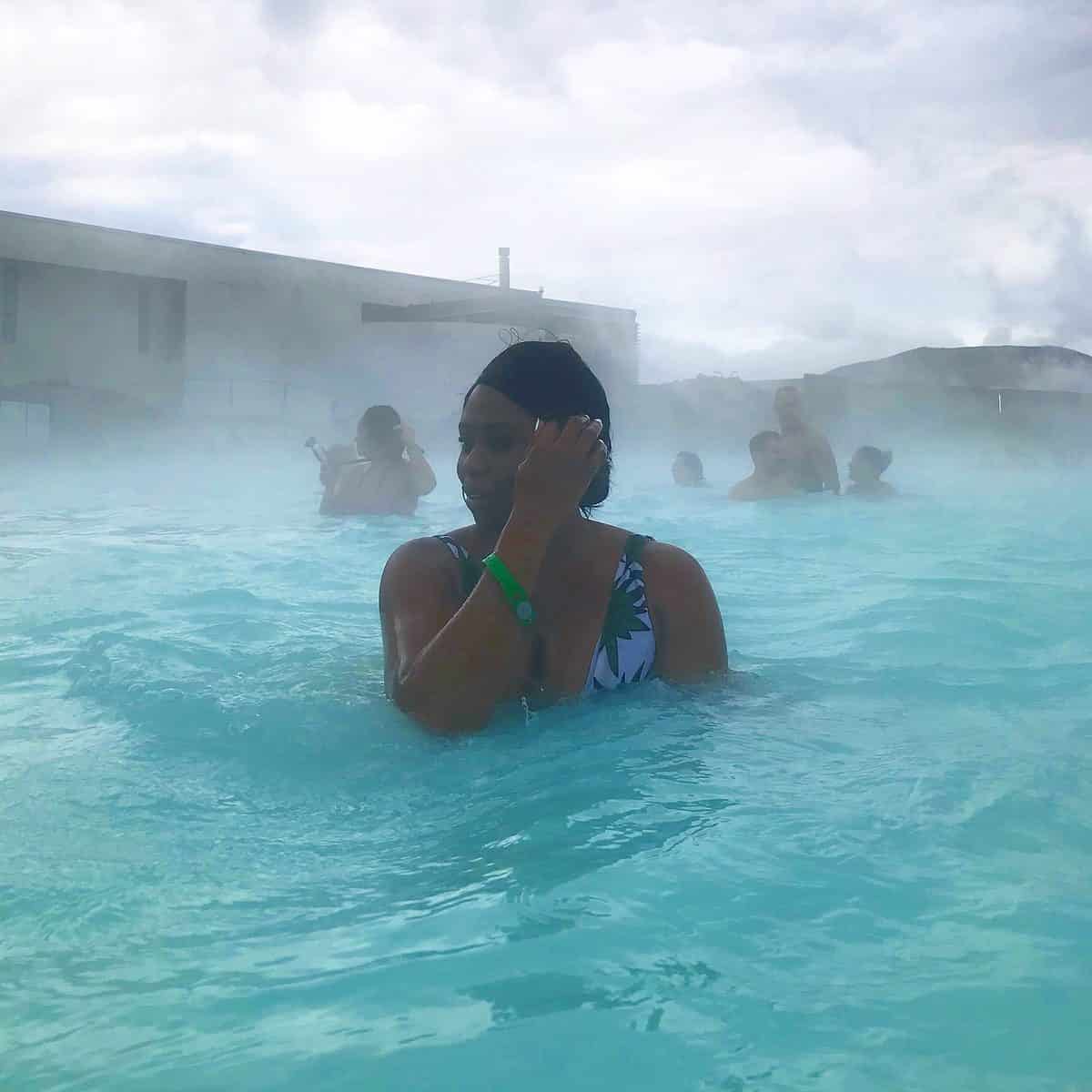
Seasons explained: how your goal sets your date
Winter, late November to March
- Why go: Aurora, quiet paths, steamy photos in the cold air.
- Watch-outs: Icy walks and wind. Bring grippy shoes.
- Best for: Northern Lights seekers and cozy couples.
Shoulder seasons, April–May and September–October
- Why go: Fewer crowds and fair prices. Soft, golden light.
- Watch-outs: Mixed weather and some rain.
- Best for: Photographers and smart budget travelers. This often is the best time to visit Blue Lagoon Iceland if you want value.
Summer, June–August
- Why go: Long hours, easier driving, warmest air.
- Watch-outs: Peak crowds and higher prices.
- Best for: First-timers who love late-night soaks and bright skies.
People also ask
Is it better in the morning or evening?
Morning is calm and great for photos. Late evening is romantic and can be quieter after tours leave.
Can you see the Northern Lights from the Blue Lagoon?
Yes, when skies are dark and clear from late August to mid-April. It is never guaranteed, but it happens.
Is it worth going if it rains or snows?
Yes. The steam and warm water feel great in cold or wet weather. Just plan for slippery walkways.
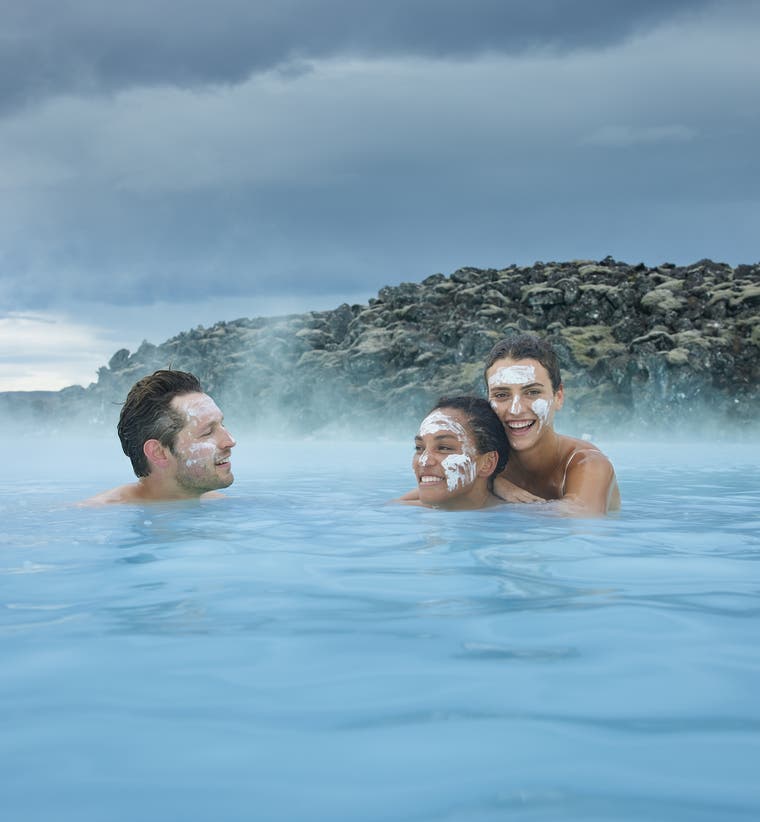
Weather, daylight, and aurora basics you should know
Daylight shifts fast in Iceland. In December, you may get 4 to 5 hours of light. In June, you may see light most of the night. This swing shapes your photos and your mood. The best time to visit Blue Lagoon Iceland for golden light is around shoulder seasons.
The air can be brisk, even in summer. Wind is common. Rain can pass in a flash. The water stays warm, so the soak is fine. But your walk to and from the pool feels better with a robe and sandals.
Aurora needs dark skies and some solar activity. Late August to mid-April is the window. Clear skies help. Check a forecast and be flexible.
Crowds, prices, and booking strategy
Crowds peak from June to August and on weekends all year. Midweek and early or late slots are calmer. Prices track demand. Book early for peak months. Last-minute tickets can vanish.
Simple booking rules I use
- Pick the first slot of the day or last slot at night.
- Go midweek when you can.
- Aim for shoulder months for value. This is often the best time to visit Blue Lagoon Iceland on a budget.
- Book transfers with buffers. Weather can shift plans.
If you plan a retreat spa upgrade, reserve well ahead. Those slots are limited year-round.
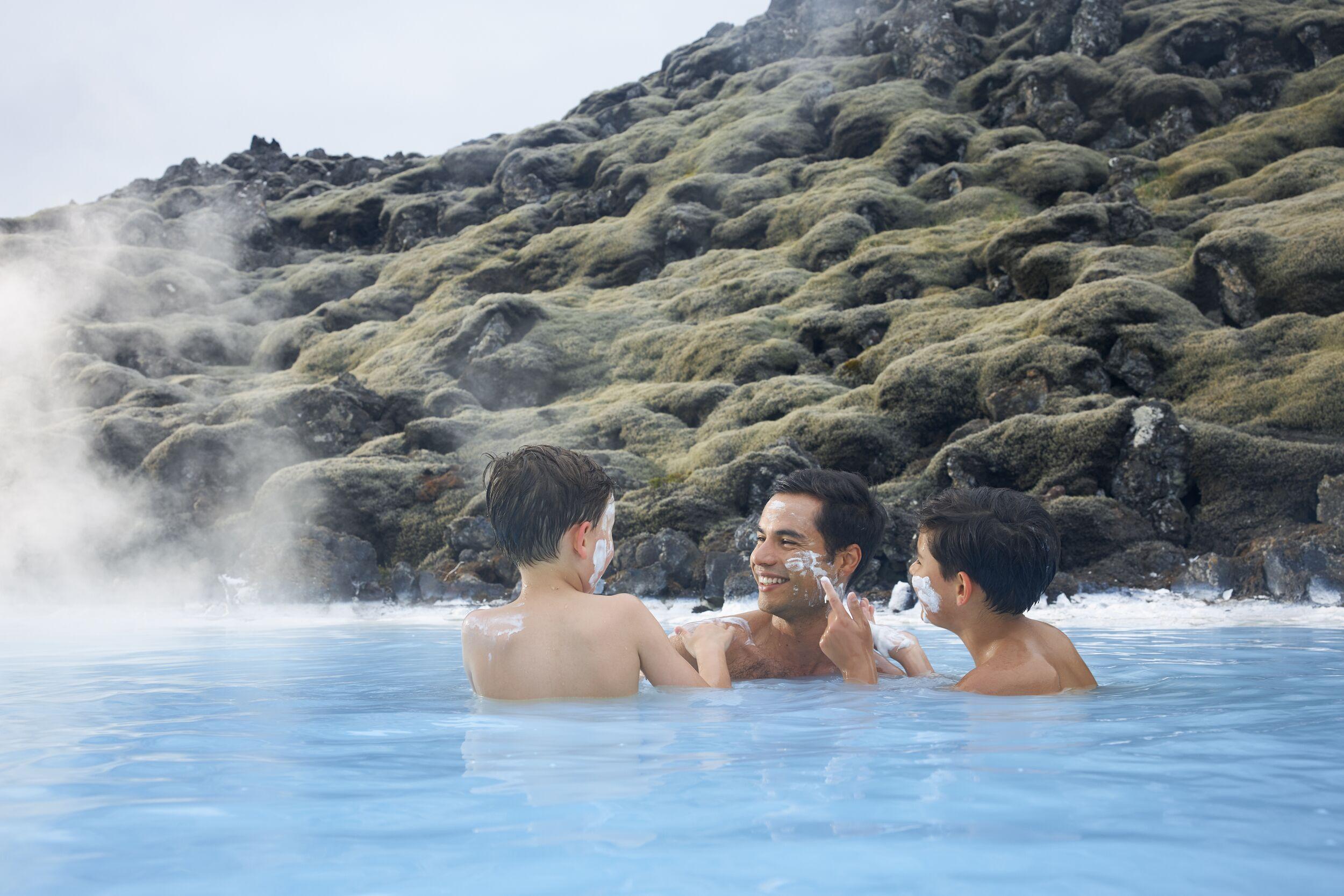
Best time of day to visit
The best time to visit Blue Lagoon Iceland for peace is sunrise or the final two time slots. Tours flood midday. Late evening brings a calm glow. In summer, that glow can last for hours.
For flight days, aim two to three hours after landing. That gives time for customs and the drive. For late flights out, a late afternoon soak is perfect. Build in a buffer. It keeps stress low.

Ticket types and how timing changes value
Comfort
- Good for first-timers. Silica mask and a drink included.
- Best when you want a simple soak at a calm hour.
Premium
- Adds extra masks, a drink, and dining perks.
- Great for evenings and date nights.
Retreat Spa
- Private areas, Ritual, and exclusive lounge.
- Best for winter or bad-weather days. You get warm spaces and extra calm.
In peak summer, the upgrade can buy you room to breathe. In winter, it buys warm lounges and long breaks from the wind. For many, the best time to visit Blue Lagoon Iceland with a premium feel is late evening in shoulder months.
Sample plans for different travelers
Honeymooners
- Go in September or October for soft light and aurora chances.
- Book a late slot. Dine after.
Families
- Choose May or early June for long days and mild air.
- Pick morning slots. Bring flip-flops for kids with tender feet.
Solo travelers
- Go midweek in April or October to save money and avoid crowds.
- Add a premium ticket if you value quiet.
Short layover
- Land in the morning. Book a slot 2–3 hours later.
- Keep bags in storage. Shower, soak, and reset before your next hop.
Photographers
- Aim for April, May, September, or October.
- Shoot early for calm water and steam trails.
These setups often hit the best time to visit Blue Lagoon Iceland for each style.
What to pack by season and mistakes to avoid
Pack list
- Swimsuit, quick-dry layers, warm hat, and flip-flops.
- Reusable water bottle. Hydrate before and after.
- Conditioner and a hair tie. The silica is great for skin but dries hair.
Common mistakes
- Not booking ahead. Summer sells out.
- Wearing jewelry in the water. Silica can dull it.
- Skipping hair care. Rinse well and condition after.
- Ignoring weather alerts. Plan a buffer on the road.
A pro move: coat your hair with conditioner before the soak. Rinse well after. I learned this the hard way in winter. My hair felt like straw without it.
Practical notes and safety
- The Blue Lagoon sits near Keflavík Airport. The drive from Reykjavík takes about 45 minutes.
- Opening hours vary by season. Summer runs later. Winter can close earlier. Check the schedule before you book.
- Children policy, age limits, and safety rules may change. Confirm on the official site before you go.
- Iceland’s volcanic activity can affect operations. Always check live updates near your date.
- Drink water. Hot water and steam can tire you fast.
Follow these steps and you will lock in the best time to visit Blue Lagoon Iceland for your plans.
Frequently Asked Questions of best time to visit blue lagoon iceland
What months are best for warm weather at the Blue Lagoon?
June to August bring the warmest air and the longest days. The water is warm year-round, but summer air makes the walk in and out easier.
When can I see the Northern Lights while visiting the Blue Lagoon?
Late August to mid-April offers dark skies for aurora. Clear weather and patience help a lot.
How far in advance should I book my Blue Lagoon ticket?
In summer, book weeks ahead. In shoulder or winter months, book at least several days ahead.
What is the best day of the week to visit?
Tuesday to Thursday are often calmer. Weekends and holidays are busier.
Is the Blue Lagoon good right after a long flight?
Yes. Book a slot 2–3 hours after landing. The soak helps fight jet lag and eases tight muscles.
What time of day is least crowded?
The first slot of the day and the last two slots at night. Midday is often the busiest due to tour buses.
Conclusion
The best time to visit Blue Lagoon Iceland comes down to your goal. Pick summer for light and easy comfort. Choose shoulder months for value and calm. Go in winter for drama and a real shot at the Northern Lights. Book early, aim for early morning or late evening, and add buffers for weather. Make your plan today, reserve your slot, and step into the steam with confidence. If this guide helped, share it with a friend or leave a comment with your dates and goals—I’m happy to help you fine-tune your timing.