

Iceland hides lava, lore, and life hacks in a tiny, windswept package.
I studied Nordic culture, earth science. That is why Linda and I traveled a lot for exploring the Nordic region. Last winter we have visited Iceland. Linda was always curious of Unusual Facts About Iceland. In this writing we will explain unusual facts about Iceland with clear examples, data, and tips you can use on your next trip.

Where Fire Meets Ice: A Landscape That Rewrites the Map
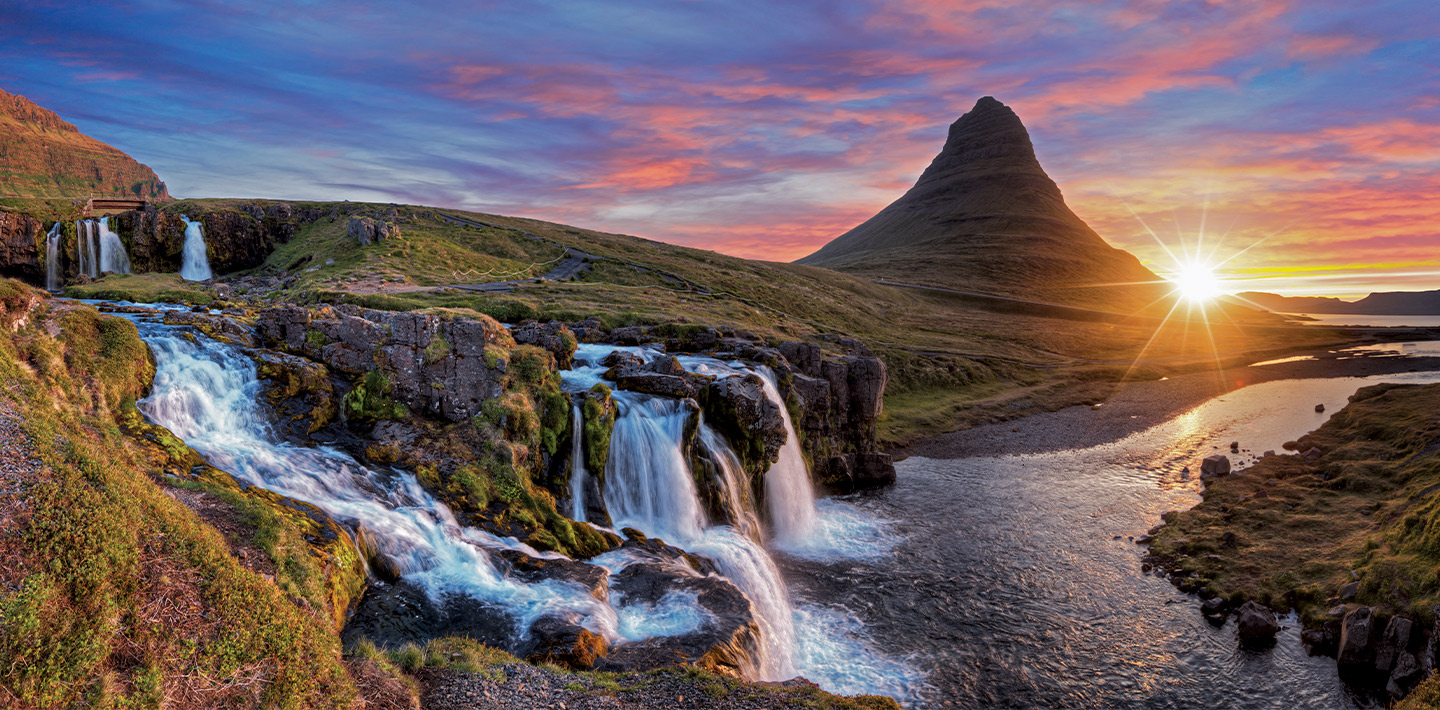
Iceland sits on the Mid-Atlantic Ridge, where two plates pull apart. You can stand between continents at Þingvellir and even snorkel in Silfra’s clear fissure. The land rises and shifts often, which shapes roads, farms, and even house plans.
Here are unusual facts about Iceland tied to its ground and sky:
- You can see both the Northern Lights and the Midnight Sun in one year. Plan winter for auroras and late spring for long light.
- The Blue Lagoon is man-made. It formed from mineral-rich water that runs off a geothermal plant.
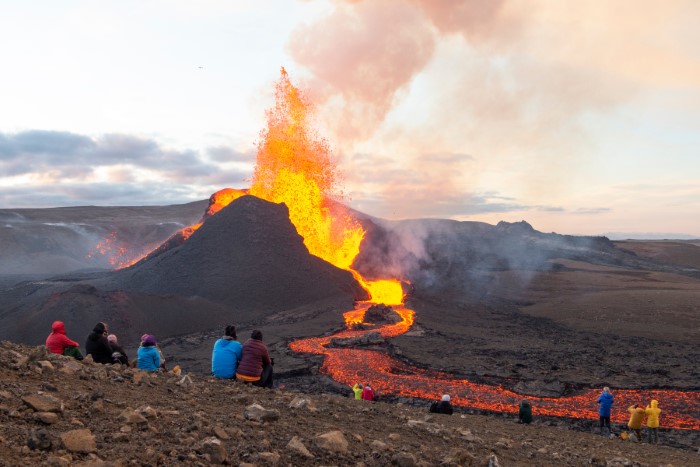
- Volcano ash can make lightning. The ice and ash collide and charge the plume, like a storm in a chimney.
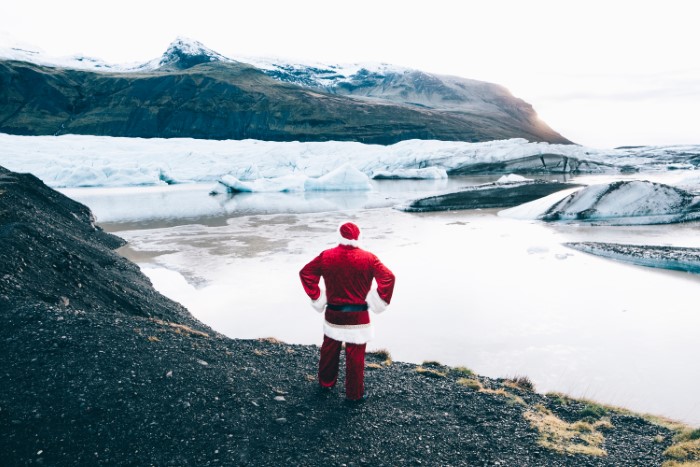
- Glaciers cover about a tenth of the land. Vatnajökull is one of the largest in Europe.
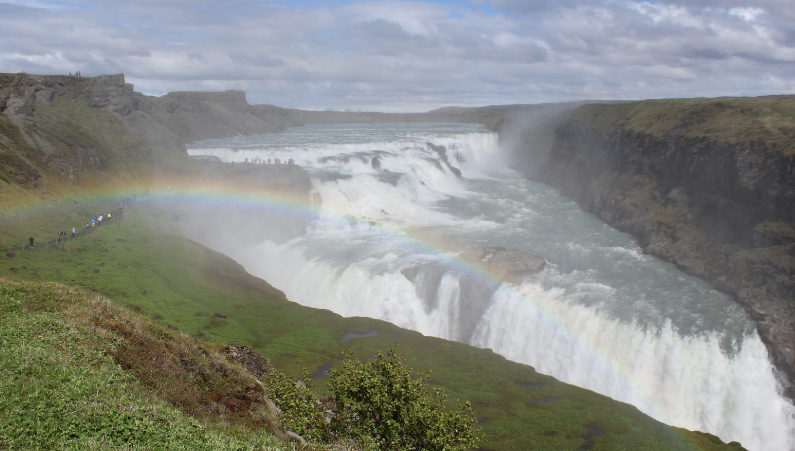
- Rivers often run milky blue from glacial flour. It looks unreal in photos, and it is real.
Practical tip: Pack microspikes for winter walks. I learned this the hard way on a frozen path near Seljalandsfoss.
Everyday Life Oddities You Won’t Expect
Daily life here feels both modern and old. It is high-tech, yet cozy. It is also full of small rules that make big sense.
Look at these unusual facts about Iceland in daily life:
- Pools are a social hub. Every town has hot tubs with set temps. Shower naked first. No one stares.
- Most homes use geothermal heat. Bills stay low, and showers smell a bit like eggs from sulfur.
- There were no beer sales for most of the 20th century. Beer Day is March 1, to mark 1989.
- There are no mosquitoes. Harsh freeze-thaw cycles and few warm, stagnant pools stop them.
- Reykjavik sidewalks may be heated. Volcanic water can keep key paths ice free.
Lessons learned:
- Do not skip the pool rules. I once watched a lifeguard hand out soap like a hall monitor.
- Wash your swimsuit after hot pots. Minerals can stiffen fabric fast.
Quick PAA Q&A
Why are there no mosquitoes in Iceland?
Short summers and cold snaps break their life cycle. The climate offers few still, warm waters for breeding.
Can you drink tap water in Iceland?
Yes. It is cold, clean, and often tastes sweet. Skip plastic bottles.
Is Iceland safe at night?
Violent crime is rare. Use normal street sense and watch winter ice.
Language, Names, and Elves: Culture with Quirks
The Icelandic language keeps old Norse roots alive. New words are forged from Icelandic parts, not borrowed. Tech terms can sound like poetry.
More unusual facts about Iceland from its culture:
- Surnames are patronymic or matronymic. Jón’s son is Jónsson; his daughter is Jónsdóttir.
- A naming committee screens new names for grammar and fit. It protects language flow.
- Many locals leave room for elves and hidden folk. Road plans sometimes curve around elf stones.
- The Alþingi began in 930 at Þingvellir. It is one of the world’s oldest parliaments.
- The phone book lists first names. People use first names in most settings.
Anecdote: On a tour in Hafnarfjörður, a guide pointed to a lava knoll and said, “We built the path around that rock, just in case.” It was half joke, half civic planning.
Nature’s Lab: Wildlife, Weather, and Phenomena
Wildlife is sparse but distinct. The only native land mammal is the Arctic fox. Birds like puffins crowd sea cliffs in summer.
Here are unusual facts about Iceland in nature:
- Weather can change in minutes. Layers beat big parkas. Bring windproof gear.
- You can walk on cooled lava fields older than your country. Moss grows slow. Do not step on it.
- Puffins return from sea in late spring. Their beaks glow bright in season.
- Aurora colors shift with solar wind. Green is common; red can show on strong nights.
- You can drink from clean streams in wild areas. Use common sense upstream.
Data-backed insight: The Icelandic Met Office tracks quakes and eruptions in real time. Check alerts before long drives in the south.
Food and Drink Surprises
Food in Iceland blends clean dairy, fresh lamb, and bold cures. Some dishes can shock, yet most are simple and good.
Taste these unusual facts about Iceland on a plate:
- Hot dogs rule the street. Lamb in the mix makes them rich and mild.
- Skyr is thick cultured dairy. It is high in protein and low in fat.
- Fermented shark exists, but you do not need to try it. If you do, breathe out.
- Rye bread can bake in hot earth. Try geothermal bread near Laugarvatn.
- Coffee culture is strong. You will find great brews even at gas stops.
Tip from the road: Ask for “eina með öllu” at a hot-dog stand. It means one with everything: onions, remoulade, and mustard.

Energy and Innovation: A Tiny Nation That Leads
Iceland is a living lab for clean power. Almost all electricity is renewable. Heat is mostly geothermal.
This cluster of unusual facts about Iceland shows how it leads:
- Aluminum smelters run on hydro and geothermal power. Heavy industry can be green here.
- Greenhouses use warm water and light to grow tomatoes in winter. You can eat pizza beside the vines.
- Data centers like the cool climate. It cuts energy use for server cooling.
- Streets use heat lines in some spots to fight ice. It saves salt and slips.
- Households enjoy steady rates and low heating costs. It lifts quality of life.
Note on limits: Hydro dams hit wild valleys hard. Geothermal wells can shift landscapes. Every “green” choice has a cost.
Visitor Tips to See These Oddities Firsthand
You can plan a route that stacks wonders with ease. Keep safety first, and mind the land.
Use these steps to unlock unusual facts about Iceland on your trip:
- Time it right. Summer for puffins and hikes. Winter for auroras and ice caves.
- Book pools, caves, and ice tours early. Small groups fill up fast.
- Rent a 4×4 in winter. Watch the SafeTravel site for road alerts.
- Pack a swimsuit year round. Pools are open in storms and sun.
- Respect closures. A rope or sign often hides a real hazard.
My goof to avoid: I once parked on soft shoulder gravel near a lava field. The rental sank an inch. It took an hour and some planks to get free.
Frequently Asked Questions of unusual facts about iceland
Are there really no forests in Iceland?
Vikings cut many trees long ago. Replanting works, but forests remain small and young.
What is the most unusual museum in Iceland?
The Phallological Museum in Reykjavik is famous. It holds a large collection from many species.
Do people actually believe in elves?
Many keep an open mind. Culture respects stories, and planning sometimes honors that.
Is the Blue Lagoon natural?
No. It formed from geothermal plant runoff. The water is clean, warm, and rich in silica.
Why does the hot water smell like eggs?
Geothermal water carries sulfur. It is safe and normal across the island.
Is Iceland expensive to visit?
Yes, but smart choices help. Cook some meals, use public pools, and travel off-season.
Can I see both puffins and whales in one trip?
Yes. Book summer boat tours in places like Húsavík and Vestmannaeyjar.
Why is Iceland so good with renewables?
It has rivers, heat, and a small grid. The mix makes clean power easy to scale.
Conclusion
Iceland blends fire, ice, and folklore into daily life. Now you know unusual facts about Iceland that explain its power, pools, names, and night skies. Plan with care, pack light layers, and treat the land with respect.
If this helped, share it, subscribe for more field-tested guides, or ask a question below. Your next Iceland moment might be a hot tub chat under green lights.