
Travel neck pillows can help, but only when fit and used the right way.
Many travelers ask, are travel neck pillows good for you? I have tested dozens across long-haul flights, trains, and road trips as a sleep and ergonomics nerd. This guide breaks down what works, what does not, and how to get real comfort without guesswork. If you want facts, simple steps, and honest tips, you are in the right place.

How travel neck pillows support your neck
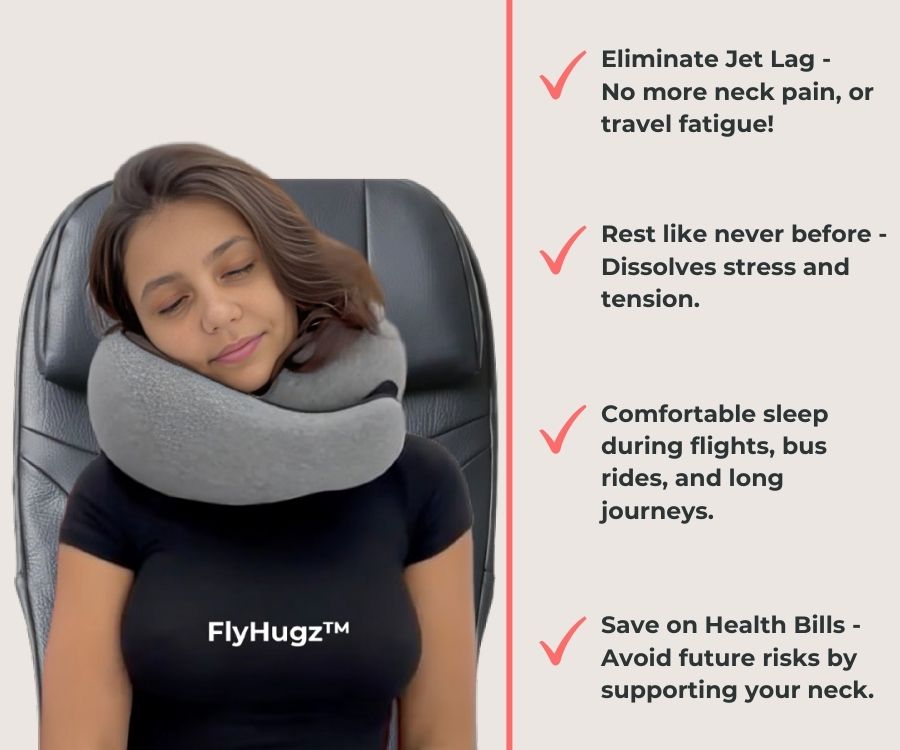
A good travel pillow reduces how far your head falls when you nod off. Less drop means less strain on neck muscles and joints. The goal is neutral alignment, not a stiff brace.
Most U-shaped pillows cradle the sides of your neck. Some add a chin pad or a front strap. This limits forward drop, which loads your neck the most. Inflatable and adjustable designs let you tweak height and firmness, which matters on narrow seats.
If you wonder, are travel neck pillows good for you, the answer is yes when they keep your head near neutral. They should not push your chin up or force your ear to your shoulder.
Benefits: sleep and spine health on the move
Better sleep is the main win. Short naps improve mood, reaction time, and jet lag recovery. A stable head helps you fall asleep faster and wake with fewer kinks.
You may also reduce neck pain. Studies show that lower neck flexion reduces muscle load and joint stress. That can mean less soreness after long flights.
Are travel neck pillows good for you if you already have neck pain? They can be, but fit is key. A pillow that is too tall can make pain worse. A lower, softer design often works better for sensitive necks.

Risks, limits, and when to skip
No tool is perfect. Here are cases where a travel pillow can backfire.
• Too much height pushes the head forward. This can strain the neck and jaw.
• Very soft foam can collapse and offer no support. Your head still drops.
• Warm, non-breathable covers can trap heat and sweat. That disrupts sleep.
• People with severe sleep apnea may snore more with chin pressure. Speak with your clinician if unsure.
• Fresh injuries or acute nerve pain need medical advice before use.
So, are travel neck pillows good for you if you have TMJ or jaw pain? They can be, but avoid firm front pressure. Choose side support with a gentle front hold or a soft scarf wrap.

How to choose the right travel neck pillow
Fit beats brand. Use this checklist to find your match.
• Shape: U-shape for general use. Wrap-around or J-shape for side and chin support. Tall-sided collars for window seats.
• Adjustability: Look for toggles, straps, or inflatable cores. Adjust height so your chin stays level.
• Firmness: Medium works for most. If you are petite, pick softer. If you are broad-shouldered, pick firmer.
• Material: Memory foam molds well but can run warm. Microbead and inflatable are cooler and lighter.
• Cover: Removable, washable, and breathable. Bamboo or soft knit works well.
• Packability: Inflatable packs tiny. Foam needs a clip or compression bag.
• Seat type: Narrow economy seats need slimmer sides. Business seats can fit taller collars.
If you still ask, are travel neck pillows good for you, choose adjustability first. Custom fit is the safest path to comfort.

How to use a travel neck pillow correctly
Fit it like a collar, not a halo. The thickest part should support the side you lean toward. Use the front strap or overlap to reduce chin drop.
Follow these steps on board.
• Sit back and set a small lumbar roll. This stacks your spine.
• Place the pillow with the opening at the back or front, based on design. Test both.
• Tilt the pillow so the tall side is under your jaw and cheek.
• Buckle or toggle until your chin stays level when you relax.
• Add a light scarf or hoodie for extra chin support.
• Use an eye mask and earplugs to help you fall asleep.
Are travel neck pillows good for you without a window seat? Yes, but use the headrest wings and the pillow’s strap to anchor your head.
Smart alternatives and add-ons
You can mix tools for better rest, even without a pillow.
• Hoodies or scarves: Fold and wrap to cradle the jaw.
• Travel scarf pillows: Hidden inflatable pads that support the chin.
• Inflatable footrests: Raise the knees slightly to ease lower back strain.
• Lumbar roll: A small cushion or rolled jacket behind the lower back.
• Headrest wings: Bend them in to reduce side-to-side sway.
You may still wonder, are travel neck pillows good for you if you use these hacks? Yes, and these tools make them better by aligning the whole body.

What my tests show in real life
On a 12-hour overnight flight, a medium-firm wrap pillow with a front strap kept my chin level. I slept in 45-minute cycles and woke with less neck tightness. A softer pillow without a strap failed after 20 minutes. My head slumped forward, and my neck felt sore on landing.
On trains, tall side support worked best by a window. On buses with flat seats, an inflatable with mid-height sides and a small lumbar roll gave the best balance. So, are travel neck pillows good for you on road trips? Yes, if you tune height, seat recline, and lumbar support together.
Hygiene, allergies, and sustainability
Keep it clean. Wash the cover after each trip. Air-dry the core, and avoid heat that breaks down foam. For shared use, use a disposable cover.
If you have allergies, look for hypoallergenic covers and low-odor foam. Breathable knits stay cooler and cut sweat.
Eco tip: Durable foam with a washable cover beats cheap throwaways. Are travel neck pillows good for you and the planet? Choose quality once, not many that end up in the trash.

Cost and value: what to expect
Prices range from budget inflatables to premium memory foam. Expect to pay more for adjustability, breathable fabrics, and solid stitching.
Value comes from fit, not price. Test height at home in a chair. If it keeps your chin level for 15 minutes, you are close. For those still asking, are travel neck pillows good for you, a well-fitted mid-range model often beats a pricey one that is too tall.
Frequently Asked Questions of are travel neck pillows good for you
Are travel neck pillows good for you on short flights?
Yes, if you tend to nap. Even 30 minutes of stable head support can reduce neck strain and help you arrive fresh.
Are travel neck pillows good for you if you have neck arthritis?
They can help if you avoid tall, rigid designs. Pick a softer, adjustable pillow and keep the chin level.
Are travel neck pillows good for you when sitting in the aisle?
Yes, but you need more side support. Use headrest wings and a front strap to reduce sway.
Are travel neck pillows good for you if you sleep on your back?
Yes, if the front is snug and low. Keep your chin from dropping and add a small lumbar roll.
Are travel neck pillows good for you if you wear large headphones?
Yes, but choose slimmer sides or an inflatable. Inflate only enough to support the jaw without pushing the ear cups.
Are travel neck pillows good for you for kids?
They can, with caution. Use child sizes and make sure the chin stays neutral and airways stay clear.
Conclusion
Travel pillows work when they fit your body and seat. Keep the chin level, use side and front support, and add a small lumbar roll. Test at home, then fine-tune on board.
Pick a design that suits how you sleep and how you travel. Try the steps above on your next trip, and track how your neck feels when you land. Want more gear tips and sleep hacks? Subscribe and share your questions in the comments.