
For most travelers, DJI Osmo Pocket 3 Creator Combo is best.
You book the flight. You pack your bag. Then you ask, “Will my camera keep up?” Travel moves fast. Light changes in minutes. Streets get crowded. A heavy rig slows you down. A clumsy setup kills the moment. That is why the best camera for travel vlogging must be small, steady, and sharp. It should start fast, track your face, and record clear sound. It should survive a full day with little fuss. Below, I break down the top choices I’ve tested so you can film with less effort and more joy.
DJI Osmo Pocket 3 Creator Combo
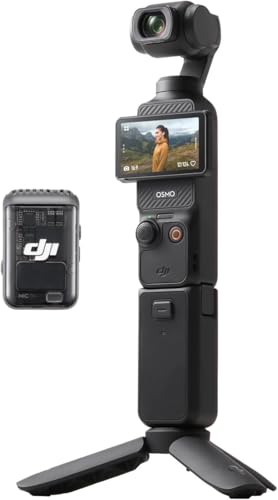
The Osmo Pocket 3 Creator Combo packs a 1-inch CMOS sensor into a tiny gimbal body. It shoots up to 4K at 120 fps for slow motion that still looks sharp. The 3-axis stabilization is mechanical, so your walk-and-talk clips look smooth even on cobblestones. The flip screen and fast face tracking help you frame yourself in seconds.
I like how it starts up fast and locks onto my face in bright sun or shade. Audio is strong right out of the box thanks to the included wireless mic. Low light footage holds detail well for a pocket camera. If you want the best camera for travel vlogging with high image quality and simple setup, this is a top pick.
Pros:
- 1-inch sensor delivers strong low-light detail and dynamic range
- Mechanical 3-axis gimbal for ultra-smooth walking shots
- 4K/120fps for clean slow motion that still looks sharp
- Fast face/object tracking keeps you centered while moving
- Included wireless mic gives clear, stable audio on the go
- Compact body fits in a pocket and starts up in seconds
- Horizontal/vertical shooting lets you switch for YouTube or Reels
Cons:
- Not waterproof without a case
- Limited zoom compared to larger cameras
- Needs care in cold or sandy environments due to gimbal
My Recommendation
Choose the Osmo Pocket 3 Creator Combo if you want a balance of size, stability, and image quality. It is the best camera for travel vlogging when you shoot a lot of walk-and-talk clips and need clean audio with no extra gear. It shines in city breaks, food tours, and night markets. It is also a great B-cam for pro creators who need a stealth tool with a big-sensor look.
| Best for | Why |
|---|---|
| Solo vloggers on the move | Gimbal stabilization and face tracking keep footage smooth and framed |
| Low-light street scenes | 1-inch sensor holds detail and color at night |
| Travel creators who want quick setup | Fast startup, flip screen, and wireless mic save time |
GoPro HERO12 Black Bundle

The GoPro HERO12 Black Bundle gives you a rugged, waterproof action camera with 5.3K HDR video. HyperSmooth stabilization handles runs, bike rides, and surf sessions. The sensor captures wide views and tall social video with ease. The bundle adds a 64GB card and a big accessory kit, so you can mount it anywhere fast.
I run the HERO12 when I want hands-free shots in harsh places. I clip it to a chest mount in the rain and keep filming. Battery life is better than old models thanks to improved power management. If your plan includes water, snow, or wild trails, this can be the best camera for travel vlogging for your style.
Pros:
- Waterproof out of the box for beach, rain, and pool days
- 5.3K HDR and 4K120 look crisp and vibrant
- HyperSmooth stabilization keeps action shots watchable
- Large accessory kit adds mounts for helmets, bikes, and more
- Rugged build handles drops and dust well
- Works as a webcam or live stream camera in a pinch
Cons:
- Small sensor struggles in very low light
- Audio needs a media mod or external mic for windy days
- Strong wide lens can distort faces at arm’s length
My Recommendation
Pick the HERO12 Bundle if your vlog is full of sports, hikes, and water. It is the best camera for travel vlogging when you need durability and a huge field of view. The kit saves you money on mounts, and setup is quick. For city walking and storytelling, it makes a great second angle or POV camera.
| Best for | Why |
|---|---|
| Adventure and action travel | Waterproof and rugged with top-tier stabilization |
| POV and hands-free shots | Mounts on helmets, chests, and bikes with bundled accessories |
| Creators focused on reels and shorts | Tall video modes and wide lens simplify social-first clips |
Xtra Muse 4K Pocket Vlogging Camera
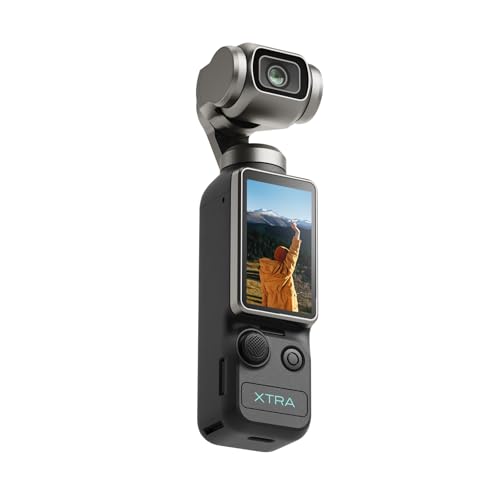
The Xtra Muse aims at pocket gimbal fans with a 1-inch sensor and 4K/120fps video. It has a 3-axis stabilizer, fast autofocus, and face/object tracking. The body is compact, so you can slip it into a small sling. It targets creators who want easy, smooth footage without a big rig.
In use, it feels like a smart mix of quality and value. The gimbal gives you smooth motion in tight alleys or busy markets. Focus is quick in good light and acceptable at dusk. If you want the best camera for travel vlogging on a tighter budget, the Xtra Muse is worth a close look.
Pros:
- 1-inch sensor for better detail than most pocket cams
- 3-axis gimbal delivers smooth walking shots
- 4K/120fps unlocks clean slow motion
- Face/object tracking helps solo shooters
- Compact size fits daily carry without bulk
- Good value if you want pro features for less
Cons:
- Fewer third-party accessories than bigger brands
- Firmware can matter; check for updates
- Not waterproof without a case
My Recommendation
Go with the Xtra Muse if you want smooth footage and a big-sensor look for less. It may be the best camera for travel vlogging if you value price-to-performance and want a pocket gimbal with 4K/120. It fits well for beginners who want to grow and for travelers who pack light. Add a small mic and you are ready for street stories and day trips.
| Best for | Why |
|---|---|
| Budget-minded vloggers | Strong features like 1-inch sensor at a lower cost |
| Steady walk-and-talk clips | 3-axis gimbal smooths steps without extra gear |
| Solo city storytellers | Face tracking and fast focus keep you sharp on camera |
How I Tested and What Matters Most
I test travel vlogging cameras the same way I travel. I walk fast, talk to the camera, and move in and out of shade. I film food, streets, and faces. I shoot at dawn, noon, and night. I care about how fast I can start, frame, and get good sound.
To decide the best camera for travel vlogging, I score five key areas. I look at image quality in bright and low light. I check stabilization on foot and in vehicles. I measure audio clarity in wind and crowd noise. I test battery life across a full day. I also judge ease of use, from menus to touch screens.
I carry each camera for at least a week. I use no more than two accessories to keep it fair. I export in 4K and edit on a mid-range laptop to mimic a traveler’s setup. I watch clips on a phone and a TV, since your audience will do both. The best camera for travel vlogging should look good on any screen.
Image Quality: Why Sensor Size Still Matters
When you chase sunsets or shoot night streets, sensor size helps a lot. A 1-inch sensor gathers more light than smaller sensors. You get cleaner shadows and nicer skin tones. Colors look richer without extra grading. The Osmo Pocket 3 and Xtra Muse both use a 1-inch sensor, which is great at this size.
Resolution and frame rate matter too. 4K at 60 fps is smooth for action. 4K at 120 fps gives slow motion that still looks crisp. GoPro’s 5.3K gives you room to crop and stabilize more in editing. If you rate image above all, the best camera for travel vlogging often has a bigger sensor or higher bitrate modes.
Stabilization: Gimbal vs Digital
Mechanical gimbals, like on the Osmo Pocket 3 and Xtra Muse, keep motion smooth. They excel at slow pans and walking shots. They also look more “cinematic,” with less digital warping. Digital stabilization, like GoPro’s HyperSmooth, wins in rugged conditions. It handles jumps, waves, and sudden moves you cannot predict.
Ask yourself where you film most. City walks and cafe talks do well with a gimbal. Surf, ski, and trails favor HyperSmooth. If your trips mix both, you might pair a gimbal cam with a GoPro. The best camera for travel vlogging could be a two-camera setup if your content is mixed.
Audio: The Silent Deal Breaker
Bad audio makes viewers leave fast. Wind and crowds can kill a good shot. The Osmo Pocket 3 Creator Combo includes a wireless mic, which is a big win. It gives clear voice audio without extra shopping. GoPro can sound decent in calm air, but a media mod or external mic helps a lot in wind.
Think about your voice. If you often record walk-and-talk content, plan for a mic. If you mostly shoot scenery with music later, onboard mics can be enough. The best camera for travel vlogging often includes or supports a simple, reliable mic workflow.
Battery Life and Workflow
You cannot vlog if your camera dies at noon. On trips, I carry two to three batteries or a power bank. The Osmo Pocket 3 charges fast and can run from a power bank while filming. GoPro batteries are easy to swap and common worldwide. The Xtra Muse benefits from spare batteries to get through long days.
Workflow matters too. Fast startup and focus save your shot. A flip screen helps you frame tight spaces. Face tracking keeps you in view when you set the camera down. The best camera for travel vlogging makes these basics simple, so you spend more time filming and less time fiddling.
Portability and Discretion
Travel vlogging often means small spaces and strict rules. Some sites dislike big rigs. A pocket gimbal looks harmless and draws less attention. An action cam on a tiny handle is also low profile. If you film in markets or transit stations, a small camera helps you stay safe and respectful.
I have filmed in busy alleys where a big camera would be a problem. A pocket cam kept locals relaxed and curious, not wary. If you prize discretion, the best camera for travel vlogging should fit in a jacket pocket and come out fast.
Durability and Weather
Weather changes fast on the road. GoPro is waterproof and rugged by design. It is great on beaches, in rain, and in snow. Gimbal cameras need more care. A case helps in sand and bad weather, but it adds bulk. If you live in storms or surf, a GoPro is hard to beat.
I carry a small dry bag and silica gel packs for camera days near water. I wipe down gear at night. These small habits protect your kit. The best camera for travel vlogging is the one you can protect with simple steps and keep rolling day after day.
Real-World Use Cases
City Explorer: I walk, point, and talk. I film food, art, and streets. I want smooth motion, natural skin tones, and clear voice. The Osmo Pocket 3 shines here. It makes daily vlogging easy and consistent.
Adventure Seeker: I climb, splash, and ride. I need something I will not fear to drop. I want wide shots and reliable stabilization. The GoPro HERO12 is ideal. It is tough and very simple to mount anywhere.
Budget Traveler: I want quality at a fair price. I like a gimbal look but cannot pay a premium. The Xtra Muse gives strong features for less. It is a good entry to the best camera for travel vlogging without overspending.
Editing and Color
Good color saves time in editing. HDR and log modes add flexibility. GoPro’s log profile is popular for grading. DJI footage has pleasing skin tones out of camera. Xtra Muse sits in the middle and benefits from light tuning.
I edit on a basic laptop when I travel. I prefer clips that look good right away. That is another reason the Osmo Pocket 3 is friendly for daily vlogging. The best camera for travel vlogging should give you “good enough” color without heavy grading.
Accessories That Add Real Value
A short handle or mini tripod helps a lot. It gives you a stable grip and a quick stand. A simple windscreen for mics makes outdoor audio cleaner. Extra batteries prevent missed moments. A small ND filter set helps you keep motion natural in sun.
Keep it light. I pack one handle, two batteries, a tiny mic, and a soft pouch. That covers 90% of my needs. The best camera for travel vlogging, plus a few smart accessories, feels pro yet carries like a phone.
Common Mistakes to Avoid
Do not chase specs and ignore audio. A sharp video with bad sound still fails. Do not use only auto exposure at night. Lock exposure when possible to avoid flicker. Do not forget lens cleaning. A smudge ruins a day of footage.
Do not film everything wide. Mix in mid shots and close-ups. It improves pacing and storytelling. The best camera for travel vlogging helps you move fast, but you still need a plan for angles and light.
Practical Settings I Use
Resolution and Frame Rate: I use 4K/30 for most talking clips. I switch to 4K/60 for action and pans. I use 4K/120 only when I want slow motion. This balances quality and file size.
Stabilization: On gimbal cams, I set a moderate follow speed. On GoPro, I use standard HyperSmooth most of the time. I only switch to stronger modes if the trail gets rough. The best camera for travel vlogging will not save a bad walk, so I still bend my knees and keep my steps soft.
Audio: I set levels low to avoid clipping. I monitor a test clip in a quiet spot and in wind. I keep a foam cover on the mic at all times. Small steps like these make a big difference.
Who Should Buy Which Camera?
If you shoot mostly talking clips, markets, and cafes, lean toward the Osmo Pocket 3. The gimbal look, 1-inch sensor, and wireless mic cover your bases. If you live on beaches, boats, or bikes, go with the GoPro HERO12 Bundle. It is built for harsh places and wild angles. If your budget is tight but you want a smooth look and big sensor, the Xtra Muse hits a sweet spot.
The best camera for travel vlogging is the one that fits your story and pace. Consider where you shoot and how you move. Pick the camera that removes the most friction. The less you think about gear, the more you film the moments that matter.
Cost of Ownership
Think beyond the sticker price. You may need spare batteries, a small mic, and a tiny tripod. GoPro users often add the media mod or a cage. Gimbal users may add a carrying case. These items raise the total cost but also raise your hit rate.
I budget an extra 15–25% for accessories. Then I stop buying and go make videos. The best camera for travel vlogging earns its keep when you press record every day, not when you keep adding more gear.
Longevity and Updates
Firmware updates can improve autofocus, color, and stability. DJI and GoPro are strong at updates and support. Less-known brands may take longer, but they can still improve. Before trips, I update firmware and test for a day at home.
Replacement parts and third-party accessories also matter. GoPro wins with mounts everywhere. DJI has strong accessory support too. The best camera for travel vlogging should be easy to service and easy to expand as you grow.
Ethics and Respect While Filming
Travel vlogging is more than gear. Respect people and places. Ask before filming a close-up. Avoid blocking paths. Do not fly drones where banned. Share the story, not just the view.
A small camera helps you be polite and low-key. That keeps scenes natural and safe. The best camera for travel vlogging, used with care, tells a better story and builds trust with your audience.
FAQs Of best camera for travel vlogging
Do I need a 1-inch sensor for great travel vlogs?
No, but it helps. A 1-inch sensor gives cleaner low-light shots and nicer skin tones. If you shoot a lot at night, it is worth it. Action cams still shine for water and sports.
Is a gimbal better than digital stabilization?
For walking and pans, a gimbal looks more natural. For rough action, digital stabilization like HyperSmooth is simpler and tougher. Choose based on your main style.
How important is audio for travel vlogs?
It is critical. Viewers forgive shaky video more than bad sound. A simple wireless mic or a foam cover can change your channel.
What frame rate should I use when traveling?
Use 4K/30 for talking clips. Use 4K/60 for action and quick movement. Use 4K/120 only for slow motion. It keeps files smaller and editing easier.
Should I carry two cameras on trips?
If you can. A gimbal cam for talking clips and a GoPro for action is a strong pair. If weight is tight, pick one that fits most of your shots.
Final Verdict: Which Should You Buy?
The DJI Osmo Pocket 3 Creator Combo is the best camera for travel vlogging for most people. It blends a 1-inch sensor, a smooth gimbal, and an included mic in a tiny body.
If you need waterproof toughness and wild POV angles, choose the GoPro HERO12 Bundle. Tight budget and steady footage goals? The Xtra Muse is a smart pick.