
The best shoes for hiking and walking deliver grip, support, and all-day comfort.
You want shoes that can move from sidewalk to switchback without a second thought. Maybe your current pair slips on wet rock. Or your feet ache after a long day on the trail. I get it. The right fit changes everything. In this guide, I share what actually works in 2026. I cover traction, support, comfort, and durability. I also show where each shoe shines. If you want the best shoes for hiking and walking, this review will save you time and money.
Merrell Moab 3 Hiking Shoe (Men’s)
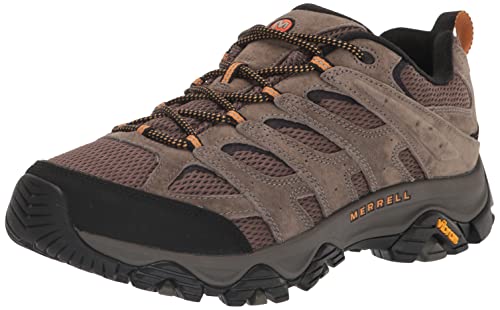
The Merrell Moab 3 is a trail legend for a reason. It delivers steady traction, dependable comfort, and a secure fit. The Vibram TC5+ outsole grips dirt, rock, and roots. The upper blends durable leather with breathable mesh. That mix keeps your feet stable and cool.
Inside, the Moab 3 uses a cushioning midsole for shock control. The footbed adds support in the heel and arch. A protective toe cap guards against stubs. The tongue blocks debris on dusty paths. If you hike on mixed terrain, this shoe feels ready out of the box.
Pros:
- Vibram TC5+ outsole with deep lugs for reliable grip
- Supportive cushioning for long days on your feet
- Leather overlays add durability in high-wear zones
- Breathable mesh helps manage heat on warm hikes
- Protective toe cap for rocky trails and loose scree
- Comes in wide sizes for a better fit
- Minimal break-in for most users
Cons:
- Not waterproof in this standard version
- Feels warm in very hot, humid climates
- Heavier than some ultralight trail shoes
My Recommendation
The Moab 3 is a safe pick if you want the best shoes for hiking and walking on mixed trails. It shines on day hikes, local parks, and gravel paths. It also works for travel when you want one do-it-all pair. The grip and cushioning feel trustworthy. The fit is steady without pinching. If you value stability and comfort, start here.
Think about your climate. If you expect rain all season, consider a waterproof version. If you hike in dry, hot areas, this mesh version is ideal. For new hikers, the Moab 3 is forgiving and easy to trust. Availability is strong and color options are flexible.
| Best for | Why |
|---|---|
| Everyday trails and parks | Great grip and easy comfort out of the box |
| All-day walking and travel | Cushioning and support reduce foot fatigue |
| New hikers | Stable platform and protective build inspire confidence |
Columbia Newton Ridge Plus Waterproof (Women’s)

The Columbia Newton Ridge Plus Waterproof Amped is a solid pick for wet trails. It uses a seam-sealed design to block rain and puddles. The coated leather upper adds structure. The mesh panels help with airflow when the weather clears. The outsole pattern grips dirt paths and slick sidewalks.
Underfoot, the midsole balances cushion and support. It feels light but steady on the move. The collar and tongue padding reduce hot spots. The toe and heel overlays protect against trail bumps. If rain and mud are common on your hikes, this shoe makes life easier.
Pros:
- Waterproof construction for rain and shallow puddles
- Supportive midsole with a smooth ride
- Coated leather for structure and long wear
- Outsole lugs handle wet sod and paths well
- Comfortable ankle padding for long walks
- Classic hiking style that pairs with casual outfits
Cons:
- Less breathable than non-waterproof shoes
- Traction is good, but not as aggressive as alpine models
- Fit can feel snug for very wide feet
My Recommendation
If you hike in damp climates, choose this. It is one of the best shoes for hiking and walking in rain. The waterproof build keeps your socks dry and your feet warm. The midsole feels kind to your knees on mixed terrain. If you split time between city walks and muddy trails, the balance is ideal.
This shoe is a smart buy for weekend hikes, urban greenways, and light to moderate trails. The waterproof benefit brings peace of mind. If you want fewer blisters and dry toes, it delivers great value. Stock is strong and sizing runs true for most people.
| Best for | Why |
|---|---|
| Rainy regions and muddy trails | Seam-sealed waterproof build keeps feet dry |
| Mixed urban-to-trail use | Comfortable ride and versatile traction |
| Casual hikers | Easy comfort and durable upper with support |
How to Choose the Best Shoes for Hiking and Walking in 2026
I look for shoes that handle both pavement and dirt. That is the real test. You want cushion for long days and grip for surprise terrain. The best shoes for hiking and walking do both without fuss. Here is my simple method.
Start with terrain. Ask where you go most. Dirt paths and parks need moderate lugs and a stable heel. Rocky trails need deeper lugs and a strong upper. City walks want smooth rolling and a softer midsole. Pick the match, not the hype.
Next, check fit and support. Your toes need room to splay. Your heel should not slip. The arch support should feel present but not pushy. Try shoes at day’s end when feet swell. Wear your hiking socks. Walk up and down a slope if you can.
Then test traction. Look for deep, multidirectional lugs. You want bite going up and braking going down. Good rubber compounds matter on wet rock and roots. Vibram outsoles are proven on mixed trails. In-house rubber can also work well for parks and paths.
Think about weather. Waterproof shoes are great for rain and mud. But they run warmer. If you live where it is dry and hot, pick breathable mesh. The best shoes for hiking and walking match your climate. You can always add a waterproof pair later.
Weight matters too. Lighter shoes reduce fatigue. Heavier shoes add stability and protection. Find your balance. If you carry a pack, a bit more structure helps. If you move fast and light, aim for lower weight.
Durability saves money. Look for reinforced toe caps and sturdy overlays. Check that the outsole wraps the toe and heel. Eyelets should feel strong. Stitching should be clean. A well-built shoe keeps its shape longer.
Finally, think about your feet. Do you need a wide fit? Do you use orthotics? Many shoes, like the Moab 3, come in wide sizes. Removable footbeds help you tune support. Comfort is the goal. Pain is a signal to pick another shoe.
Key Features That Actually Matter
I evaluate four things first. Traction. Cushion. Stability. Fit. The best shoes for hiking and walking combine these in one package. Everything else is a bonus.
Traction: Look at the lug depth and pattern. Five-millimeter lugs grip most trails. Chevrons help braking. Flat zones roll well on pavement. Sticky rubber is safer on wet surfaces.
Cushion: A soft midsole helps on long walks. But too soft can feel unstable on rocky ground. I like a balanced foam for mixed use. It reduces impact while keeping the foot sure.
Stability: A stable heel counter stops rolling. A firm shank or plate helps on uneven ground. Sidewalls on the midsole can cradle the foot. You should feel planted on cambered trails.
Fit: Toe room prevents black toenails on descents. The midfoot should hug without squeeze. The heel should lock with minimal lift. Lace windows should let you fine-tune pressure.
Waterproof vs. Breathable: What to Pick
Rain or shine, the best shoes for hiking and walking feel right for the day. Waterproof shoes keep you dry in rain and puddles. They also block wind. But they run warmer and can trap sweat in summer.
Breathable mesh shoes dump heat better. They dry quicker if you step in a stream. They feel airy on hot days. But your socks will get wet in heavy rain. Choose for your climate. If you face long wet seasons, a waterproof pair like the Columbia Newton Ridge Plus helps. If you hike dry and warm trails, the Moab 3’s airflow is ideal.
How I Test Hiking and Walking Shoes
I test across four surfaces. Pavement, packed dirt, rocky singletrack, and wet grass. I check grip, comfort, and stability. I also note hot spots and pressure. I rotate socks to see changes in fit. I use both thin running socks and midweight hiking socks.
I simulate real use. I walk errands in the city. I hike local trails. I do short jogs to test heel lock. I also carry a light pack to see how the shoe handles extra load. The best shoes for hiking and walking must feel stable in these shifts. I keep notes on arch support and ankle feel as miles add up.
I inspect the build after each test. I look for early wear on the outsole. I check the midsole for creases. I pull the footbed and inspect stitching. I wash off mud and see how the upper dries. This shows how the shoe will age over months, not just days.
Fit Tips You Should Use
Try shoes late in the day. Feet swell as you move. Leave a thumb’s width in front of your toes. That space stops black toenails on downhill hikes. Lace snug at the ankle and softer over the forefoot.
Use a heel-lock lacing if your heel slips. Cross the laces through the top eyelets to make a loop. Feed the ends through and pull down. This locks your heel in the pocket. It improves control and cuts friction.
Match socks to climate and fit. Thin socks increase breathability and space. Midweight socks add cushion and fill volume. Wool blends reduce odor and manage sweat well. Test socks with the shoes you plan to wear.
Common Mistakes to Avoid
Do not size down. Tight shoes cause blisters and toenail issues. Do not chase trends. Ultrathin shoes can feel fast, but not for everyone. The best shoes for hiking and walking put your comfort first. Skip fashion if it risks pain.
Do not ignore insoles. Stock footbeds are fine for some. Others need more arch or heel relief. Supportive aftermarket insoles can fix small fit issues. They can also extend the life of your shoes.
Do not forget your style of movement. If you pronate or supinate a lot, seek more support. Test on a slight slope if possible. Listen to your body. Good shoes should disappear on your feet in minutes.
Seasonal Advice for 2026
Spring: Trails are wet. Waterproof options shine. Keep laces clean and rinse out grit. Grit eats eyelets and threads. A waterproof pair plus a breathable pair is a great combo.
Summer: Breathability rules. Swap to airy mesh. Use moisture-wicking socks. The best shoes for hiking and walking in heat keep feet cool. Avoid dark colors if you hike in direct sun.
Fall: Leaves hide roots and rocks. Prioritize traction and toe protection. Check lugs and rubber. A balanced shoe like the Moab 3 handles mixed fall terrain well.
Winter: For mild winters, use waterproof shoes with warm socks. For snow and ice, add traction devices. Dry shoes overnight. Do not place them on strong heat sources. Stuff with newspaper to speed dry time.
Care and Maintenance
Brush off dirt after each hike. Rinse mud with cool water. Do not use harsh detergents. They can damage waterproof coatings and leather. Air dry at room temperature.
Recondition leather parts with a suitable treatment. It keeps the upper supple and extends life. For waterproof shoes, clean and re-proof each season. Check laces and eyelets. Replace worn insoles. Small steps make a big difference.
Comparing These Two Picks
The Merrell Moab 3 is the breathable, all-rounder. It shines on dry trails, city walks, and moderate hikes. It also works for travel days with long walks. The support is steady. The traction is sure on dirt and rock.
The Columbia Newton Ridge Plus Waterproof Amped is your wet-weather ally. It protects your feet from rain. It also has a friendly ride on mixed surfaces. If you often hit muddy trails, it makes sense. If you hike where it rains off and on, the waterproof build is worth it.
Use both if your budget allows. The best shoes for hiking and walking change with the day. A breathable pair plus a waterproof pair covers all seasons. You can grab the right tool for the weather and the trail.
Real-World Use Cases
Weekend day hike on packed dirt: The Moab 3 gives grip and comfort. It vents heat well. Your feet stay happy over several hours.
Urban walk to trailhead, then a short muddy loop: The Newton Ridge Plus Waterproof keeps socks dry. It also feels fine on sidewalks. You can move from city to trail without swapping shoes.
Travel day with 15,000 steps: The Moab 3 cushions impact during long airport walks. It stabilizes your gait on cobblestone streets. The toe cap also helps in busy crowds.
Light rain on a forest trail: The Newton Ridge Plus Waterproof keeps water out. The collar padding reduces rubbing. Your steps feel secure on damp leaves.
What to Expect Over Time
Outsoles wear from heel strike and toe-off. Expect smoother lugs after months of use. That is normal. The best shoes for hiking and walking still feel safe even as lugs mellow. Replace when grip fades on wet grass or steep dirt.
Midsoles compress slowly. Look for creases and a flatter feel. If you start to feel rocks more, it is time to replace or add a supportive footbed. Uppers loosen slightly. If the shoe starts to feel sloppy, retie using a heel lock.
With good care, both models here can serve for many miles. Rotate pairs if you hike often. It lets foam recover and dry. It also cuts odor and extends life.
Safety and Injury Prevention
Stable shoes help ankles and knees. Better grip prevents slips. The best shoes for hiking and walking protect you on uneven ground. They also spread impact across the foot.
Watch for signs of poor fit. Tingling toes, hot spots, and numbness are warnings. Adjust lacing first. Change socks second. If pain stays, swap shoes. Do not push through foot pain. Early changes prevent bigger issues.
Value and Budget
You do not need the most expensive pair. You need the right pair. The Merrell Moab 3 gives strong value for everyday hiking. The Columbia Newton Ridge Plus Waterproof adds weather protection without a big jump in cost. Together they cover most needs.
Think cost per mile. Well-built shoes that fit well are cheaper in the long run. They keep you moving. They also reduce the risk of injury. That is worth far more than a small price gap at checkout.
FAQs Of best shoes for hiking and walking
How should the best shoes for hiking and walking fit?
They should have a thumb’s width of space at the toes. The heel should not slip. The midfoot should feel snug but not tight.
Are waterproof shoes always better?
No. They are best in rain and mud. In hot, dry weather, breathable shoes feel cooler and dry faster.
How long do hiking shoes usually last?
It varies with use. Many last 300–600 miles. Replace when grip fades or cushioning feels flat.
Can I use these for daily walking, not just trails?
Yes. The best shoes for hiking and walking handle sidewalks and parks well. Look for balanced cushioning and stable heels.
Do I need special socks?
Good socks help. Wool blends manage moisture and reduce blisters. Match sock weight to fit and weather.
Final Verdict: Which Should You Buy?
Pick the Merrell Moab 3 if you want breathable comfort and steady grip on mixed, dry terrain. It feels great for trails, parks, and long city walks.
Choose the Columbia Newton Ridge Plus Waterproof if rain is common and you want dry, warm feet. Both stand out as the best shoes for hiking and walking in their lanes.