
Swiss cheese tastes mild, nutty, slightly sweet, with a buttery finish and gentle tang.
If you have ever wondered what does swiss cheese taste like, you’re in the right place. I teach tasting workshops and cook with it often, from fondue to deli-style melts. In this guide, I break down what does swiss cheese taste like across styles, ages, and brands, and how to enjoy it at its best. You will get clear tips, real examples, and chef-level insight, in plain language.
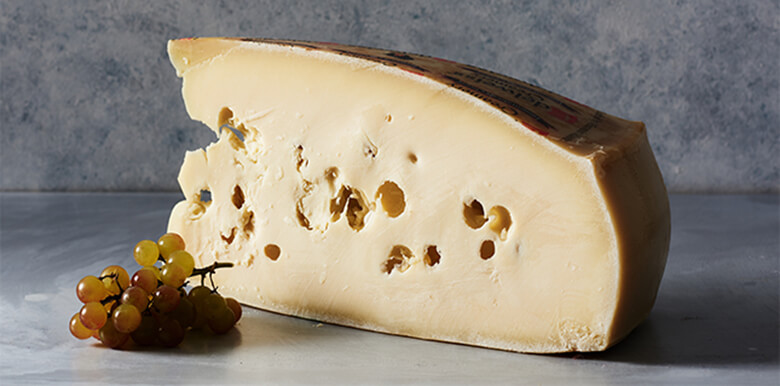
What Swiss Cheese Really Tastes Like
At its core, Swiss cheese tastes mellow, clean, and a bit sweet. You will notice a nutty note, like toasted hazelnut. There is a soft tang, but no sharp bite. The aroma is buttery and mild.
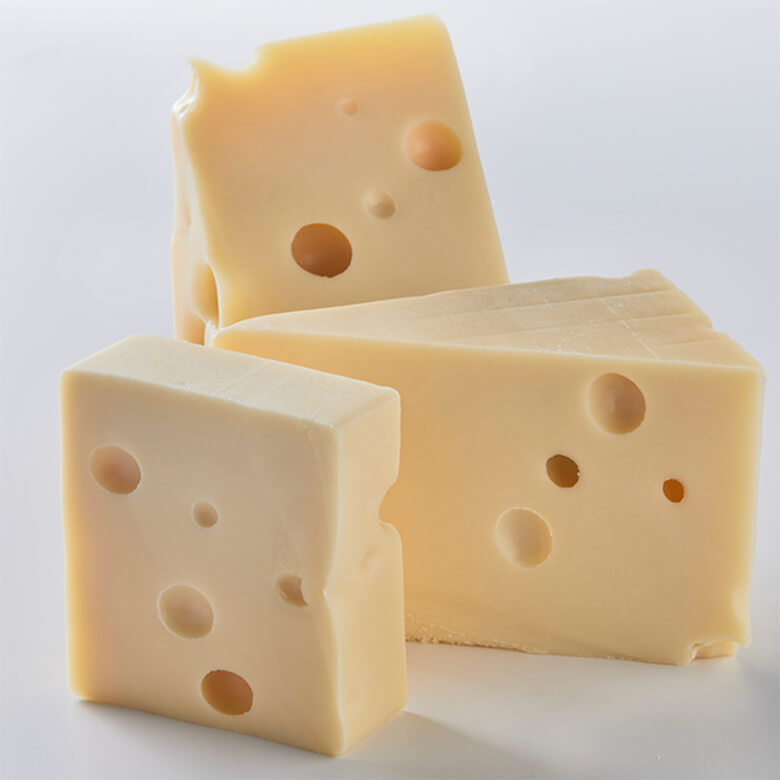
Those famous holes form during aging. The same process creates sweet and nutty flavors. When people ask what does swiss cheese taste like, I say think soft caramel, warm milk, and light toast in one bite.
Typical flavor notes include:
- Sweet cream with a hint of brown butter
- Gentle nuttiness, like almond or hazelnut
- Light hay or meadow notes
- A soft, clean tang, not sour
- Low salt compared to many firm cheeses
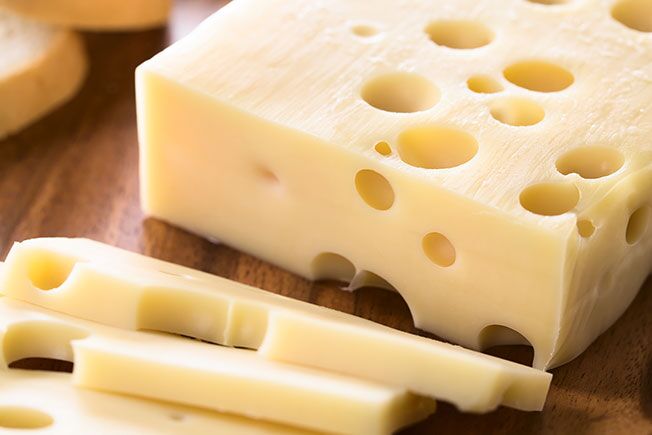
The texture is springy and smooth. Young wheels feel supple. Older versions turn firmer and more dense, with deeper flavor.
Why It Tastes That Way
Swiss-style cheese uses special cultures that turn lactic acid into gas and flavor. As the cheese rests, tiny microbes make carbon dioxide. That gas creates the holes. The same microbes make propionic and acetic acids, which taste sweet, nutty, and mild.
Age matters. Young wheels, at two to three months, taste very sweet and soft. At six to twelve months, the nutty note grows. The tang gets round and rich. When friends ask what does swiss cheese taste like at different ages, I say young is mellow and creamy, while older is deeper and toastier.
Milk also counts. Grass-fed milk can add a hay-like scent. Pasteurized milk makes flavor more even. Raw milk, when allowed, may taste more complex, but it depends on rules and skill.
Types of Swiss-Style Cheeses and Their Tastes
Not all “Swiss cheese” tastes the same. The term can mean a style with holes, or specific Swiss Alpine cheeses. Here is how the main types differ and what does swiss cheese taste like in each case:
- Emmental: The classic holey cheese from Switzerland. Sweet, nutty, clean, and mild. Larger eyes, smooth texture.
- American Swiss: A domestic take on Emmental. Often milder and a bit rubbery. Great for sandwiches and melts.
- Baby Swiss: Made in smaller wheels. Extra mild and creamy. Small holes, buttery taste, very easy to like.
- Jarlsberg: Norwegian, in the Swiss style. Sweet, round, and buttery with gentle nuttiness. Melts like a dream.
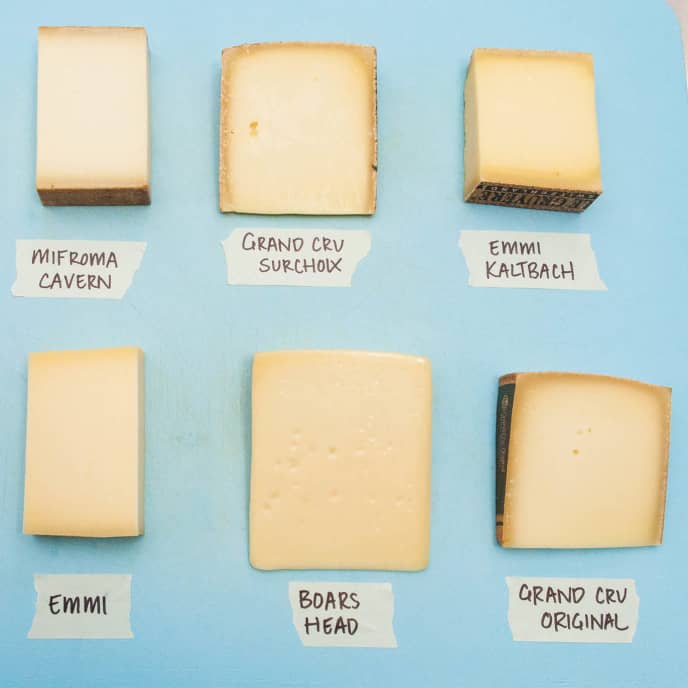
- Gruyère: Alpine, usually no big holes. More savory and brothy, with caramel notes. Slightly more salt and depth.
When I lead tastings, I line up Baby Swiss, Emmental, and Gruyère. Guests learn fast what does swiss cheese taste like across that range. The step up in nuttiness and savory notes is clear in one bite.
Texture, Melt, and Mouthfeel
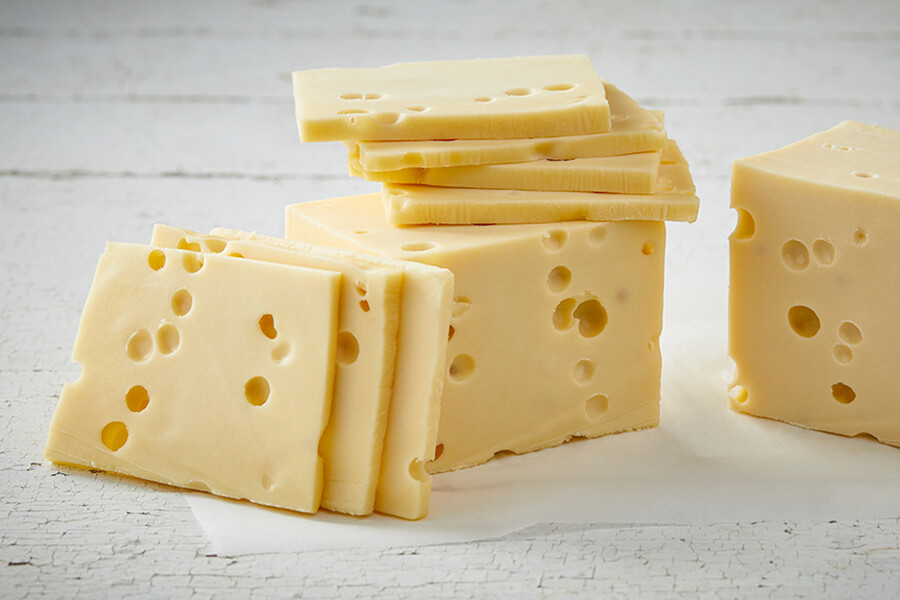
Swiss-style cheeses melt very well. The heat makes them smooth and stretchy. The oil stays fairly even if you keep the heat low. This is why they shine in fondue, grilled cheese, and quiche.
Mouthfeel shifts with age. Young cheese is springy and moist. Older wheels feel more dense and silky. Some aged cheeses may show tiny white crystals. Those are tyrosine, an amino acid. They add a light crunch, which many people love.
Cooking tips I use at home and in classes:
- Keep heat gentle to avoid oiling off
- Grate or slice thin for even melt
- Add a little starch in fondue for a smooth texture
- Splash in acid, like wine or cider, to keep it silky
If you ask what does swiss cheese taste like when melted, I say sweeter and rounder, with a long, buttery finish.
Pairings and Serving Ideas
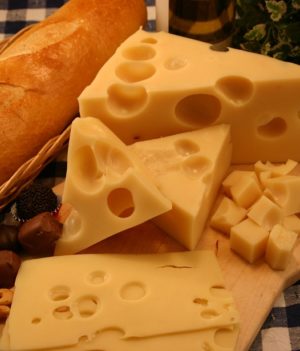
Pairings should lift the sweet, nutty core. Fresh fruit works well. So do crisp pickles and tangy mustard. Choose bread with some chew and a mild crust.
Great partners:
- Fruit: Apples, pears, grapes, or figs
- Vegetables: Pickles, roasted onions, or mild peppers
- Carbs: Sourdough, rye, pretzels, or seeded crackers
- Meats: Ham, turkey, prosciutto, or roast beef
- Drinks: Riesling, Pinot Noir, light lager, cider, or black tea
At home, I love a warm pretzel with Baby Swiss and mustard. The salt and tang boost the sweet and nutty notes. It is a simple way to feel what does swiss cheese taste like at its best.
Buying, Storing, and Tasting Like a Pro
Look for even color, a fresh dairy smell, and clean rinds. The eyes should be glossy inside and not weeping. Avoid strong ammonia or sour notes. They can mean the cheese is past its peak.
Store it well. Wrap in cheese paper if you have it. Or use parchment, then a loose layer of foil. Keep it in the vegetable drawer. Rewrap after each use. Try to eat it within one to two weeks. You can freeze slices for cooking, but the texture may turn crumbly.
How to taste, step by step:
- Bring to cool room temp, about 60–65°F
- Smell first for butter, nuts, and hay
- Take a small bite and let it warm on your tongue
- Note sweet, nutty, and tangy waves as they open
Use these steps to answer for yourself what does swiss cheese taste like in each brand or style. Write quick notes, like “sweet cream” or “toasty edge.” Over time, you will build a sharp palate.
:max_bytes(150000):strip_icc()/GettyImages-71285433-2000-0888f731cdbb4f0e9236ea9f43bdf930.jpg)
Nutrition and Dietary Notes
A typical one-ounce serving has about 100 calories, 7–8 grams of fat, and 7–8 grams of protein. It also has calcium and B vitamins. Salt levels vary by brand and style.
Many aged cheeses have less lactose. That can help people who are sensitive. But check your own limits. If you are pregnant, look for pasteurized versions. If you track sodium, taste before salting a dish.
Research shows cheese can fit into a balanced diet. Portion size and whole-food sides help. If you wonder what does swiss cheese taste like in light dishes, try it with apples, greens, and nuts.
Common Mistakes and How to Fix Them
Even fans can get Swiss cheese wrong. Here are easy fixes I share with students.
- Overheating melts: Use gentle heat. Add a bit of starch or acid to keep it smooth.
- Dull flavor: Let it warm before serving. Cold cheese tastes muted.
- Wrong pairings: Skip heavy, bitter hops and extra salty sides. Choose fresh fruit or mild pickles.
- Dry storage: Wrap in breathable paper, not plastic alone. Rewrap after each cut.
- One-size-fits-all: Taste across types. See what does swiss cheese taste like in Baby Swiss versus Gruyère.
Frequently Asked Questions of what does swiss cheese taste like
What does swiss cheese taste like compared to cheddar?
Swiss cheese is mild, nutty, and slightly sweet. Cheddar is sharper and more tangy, especially when aged.
Why does Swiss cheese have holes and a sweet taste?
During aging, cultures create gas that forms holes. The same process makes sweet and nutty flavors.
Is all Swiss cheese the same?
No. Emmental, Baby Swiss, Jarlsberg, and Gruyère each have their own profile. Taste ranges from very mild to deep and savory.
What does swiss cheese taste like when melted on a sandwich?
It tastes sweeter and rounder, with a smooth, buttery finish. The nutty notes become more clear with heat.
How can I tell if Swiss cheese is fresh?
It should smell clean and milky, not harsh. The cut surface should look moist, not dry or slimy.
Does Swiss cheese taste strong or stinky?
No, most Swiss-style cheeses are gentle and clean. They are not like washed-rind or blue cheeses.
What drinks pair best with Swiss cheese?
Try Riesling, Pinot Noir, lager, or apple cider. Unsweetened black tea also works well.
Conclusion
Swiss cheese shines because it is sweet, nutty, and friendly to many foods. Once you learn what does swiss cheese taste like at different ages and in different types, you can pick the right wheel for any dish. Start with a small tasting flight, note what you enjoy, and use those notes in your next melt or board.
Ready to go deeper? Try two or three styles this week and compare them side by side. Share your tasting notes, ask questions, or subscribe for more expert guides and pairing ideas.