
The best Switzerland itinerary links lakes, Alps, and scenic trains with flexible days.
I plan routes here for a living, and I know what works on the ground. In this guide, I share a proven switzerland itinerary for 7, 10, and 14 days, plus expert tips on passes, scenic trains, seasons, budgets, and hotel areas. You will get clear routes, simple choices, and real advice from trips I have led and refined for years. Use this switzerland itinerary to see more, spend less, and travel with confidence.
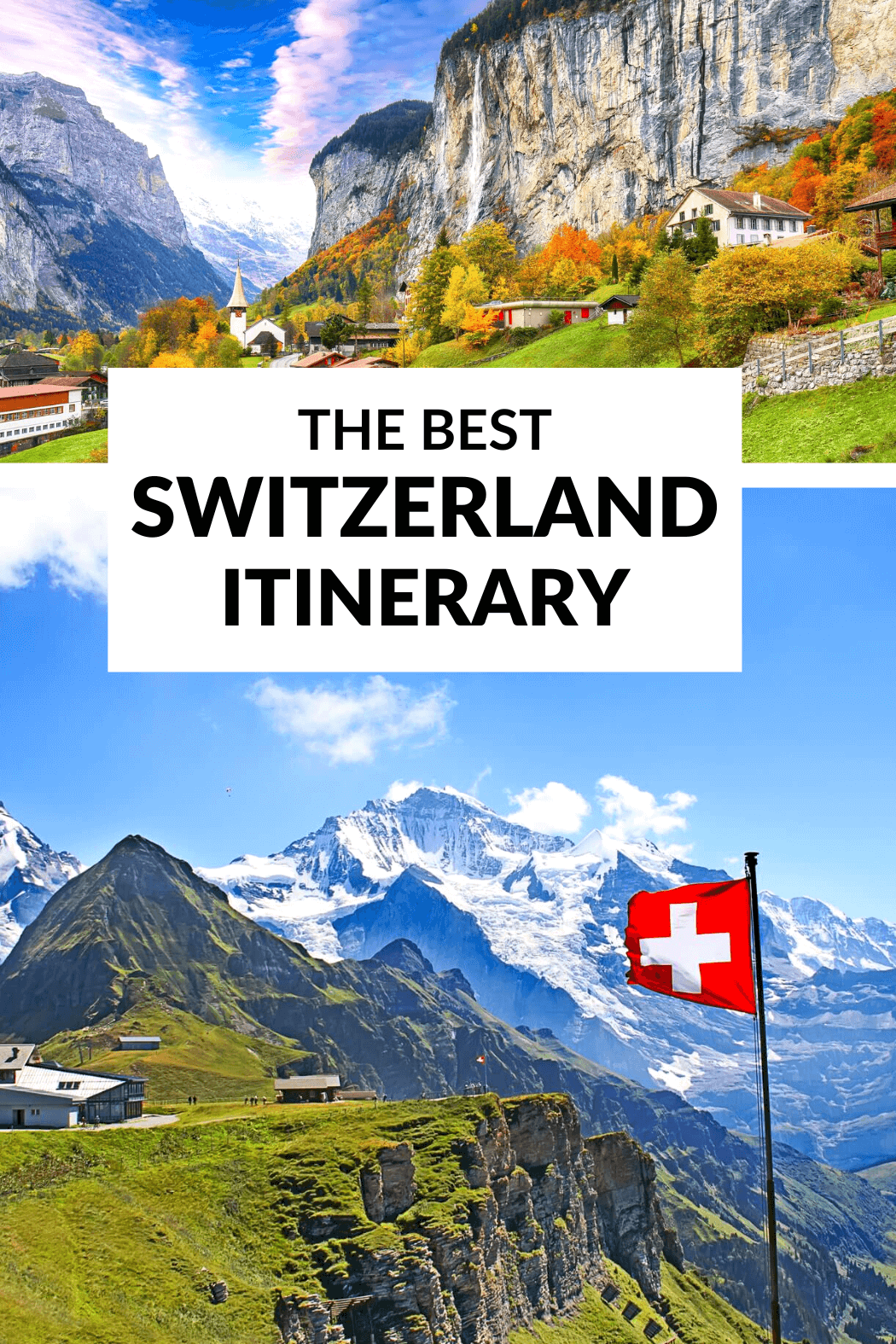
How to use this Switzerland itinerary
Start with your total days. Then pick one plan and adjust for weather or interests. Swiss trains run like clockwork, so it is easy to tweak. I include backup ideas for cloudy days and tight budgets.
This switzerland itinerary follows a logical loop: Zurich to Lucerne, the Bernese Oberland, Zermatt, then Lake Geneva or Ticino, and back. This route balances cities, lakes, and the Alps. It also links the main scenic trains.
I suggest one home base per region. That cuts check-ins and saves energy. Use the SBB app to track live times, platforms, and delays, which are rare but possible.

7-Day Switzerland Itinerary
Day 1: Zurich
Arrive, drop bags at Zurich HB lockers, and stretch your legs. Walk the Old Town, Lake Zurich, and Bahnhofstrasse. Visit the Kunsthaus if you love art. Eat an early dinner and rest.
Day 2: Lucerne and Mount Pilatus or Rigi
Ride the Luzern–Interlaken Express to Lucerne. Stroll Chapel Bridge and the Lion Monument. Choose Pilatus for a round-trip with cogwheel and cableway, or Rigi for wide lake views.
Day 3: Interlaken with Lauterbrunnen or Grindelwald
Move to your base in Lauterbrunnen, Wengen, or Grindelwald. Walk the valley waterfalls or take the First Cliff Walk. Keep the evening free. Mountain weather changes fast.
Day 4: Jungfraujoch or Schilthorn
Pick one big summit. Jungfraujoch has ice tunnels and Aletsch views. Schilthorn is cheaper, with a 360-degree panorama and the Bond museum. Book flexible tickets when you can.
Day 5: Zermatt
Arrive car-free Zermatt. Ride Gornergrat for the classic Matterhorn view. If clouds roll in, visit the mountaineering museum and eat rösti in the village.
Day 6: Montreux and Chillon Castle
Train to Lake Geneva. Tour Chillon Castle and walk the lakeside path. Optional wine tasting in Lavaux. Sleep in Montreux or nearby Vevey.
Day 7: Bern and depart via Zurich or Geneva
Stop in Bern’s UNESCO Old Town and climb the cathedral tower. If your flight is in Zurich, you still have time for a last lake stroll. This switzerland itinerary packs a lot, yet still leaves room to breathe.
Personal note: I have run this switzerland itinerary for families. The key to happy days is an early start, a long lunch, and one big highlight per day.
10-Day Switzerland Itinerary
Add more Alps or a taste of Italian-speaking Ticino. Keep the same first seven days, then:
Day 8: GoldenPass Express to Montreux
Ride the direct panoramic train from Interlaken to Montreux. Sit on the left for lake views near the end. Reserve seats for peak summer weekends.
Day 9: Lausanne or Gruyères
Pick culture or cheese. Lausanne has the Olympic Museum and a lively old town. Gruyères offers a medieval hilltop, cheese dairy, and a calm pace. Return to Montreux.
Day 10: Lugano via the Gotthard route
Travel to Lugano through the Gotthard Base Tunnel or the scenic Gotthard Panorama route in season. Palm trees, gelato, and lake vibes greet you. This switzerland itinerary now blends three cultures in one trip.
If you prefer more mountains, swap Lugano for St. Moritz and ride part of the Glacier Express. Adjust nights so you do not rush transfers.
14-Day Switzerland Itinerary
Two weeks lets you slow down and add the Engadine or Appenzell. Build on the 10-day plan:
Days 11–12: St. Moritz and the Bernina route
Base in St. Moritz or cheaper Samedan. Ride the Bernina Express to Tirano and back, or use regional trains for flexibility. Hike Muottas Muragl for big valley views.
Day 13: Appenzell or Basel
Appenzell is pastoral and great for easy hikes like Seealpsee. Basel is ideal for museums and the Rhine. Choose based on weather and mood.
Day 14: Return to Zurich
Have one last lake swim if it is summer. Shop for chocolate and catch your flight. This switzerland itinerary now covers the country’s greatest hits with room for rest days.
I have done this two-week loop with a mix of scenic trains and local lines. The varied pace kept energy high and avoided travel fatigue.
Scenic trains and travel passes explained
Scenic trains
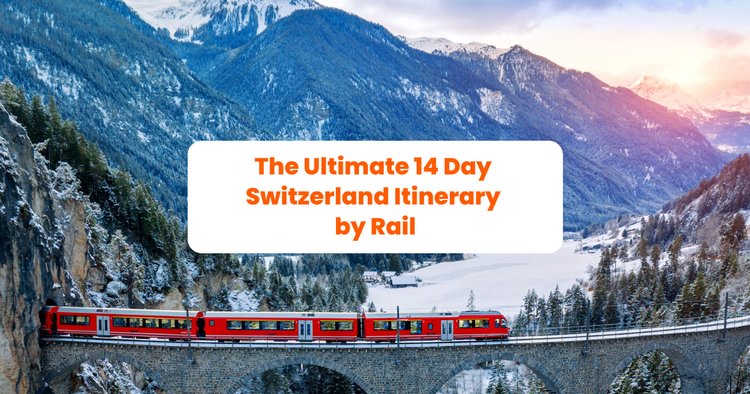
- Glacier Express links Zermatt and St. Moritz. Book seats early.
- Bernina Express runs Chur to Tirano over high passes. Seats help in summer.
- GoldenPass Express connects Interlaken to Montreux direct on many days.
- Luzern–Interlaken Express ties lakes and mountains in two easy hours.
- Gotthard Panorama Express pairs a boat on Lake Lucerne with a historic train to Ticino in season.
Passes
- Swiss Travel Pass gives unlimited travel for 3 to 15 days, many museums, and mountain discounts.
- Half Fare Card gives 50 percent off for a month. Good for slow, flexible trips.
- Saver Day Pass is cheap when booked early for specific days.
- Children under 16 ride free with a Family Card when with a parent.
Seat reservations are compulsory on the Glacier Express and most panorama cars on the Bernina Express. Regular regional trains on the same routes need no reservation. Your switzerland itinerary will run smoother when you mix reserved highlights with flexible days.
Seasonal planning and weather tips
Summer, June to September, offers the widest lift openings and the greenest valleys. Book mountain trips early in the day for better odds of clear skies. Heat can rise in cities, so plan lake swims.
Spring and fall bring lower prices and fewer crowds. Some lifts and trails close for maintenance, often late April to mid May and late October to early December. Always check live status before you go uphill.
Winter is magical for skiing and Christmas markets. Not all scenic lines run with panorama cars, but the regular trains are just as beautiful with snow. Build buffer time for weather. Your switzerland itinerary should include at least one spare half-day.
Budget, booking, and money-saving tips
Average costs per person per day
- Budget: 100 to 150 CHF with hostels, picnics, local trains.
- Mid-range: 180 to 300 CHF with three-star hotels and a few paid peaks.
- High-end: 400+ CHF with four-star stays, fine dining, and reserved panoramas.
Ways to save
- Book Saver Day Passes 30 to 60 days out when plans are firm.
- Sleep in Lauterbrunnen or Wengen instead of Interlaken for better access and value.
- Shop at Coop or Migros for salads, snacks, and water. Tap water is safe and great.
- Pick one big mountain per region. Two in one day is costly and tiring.
I track prices month by month. The pattern is clear. The earlier you lock trains with Saver Day Passes, the more your switzerland itinerary stays on budget.
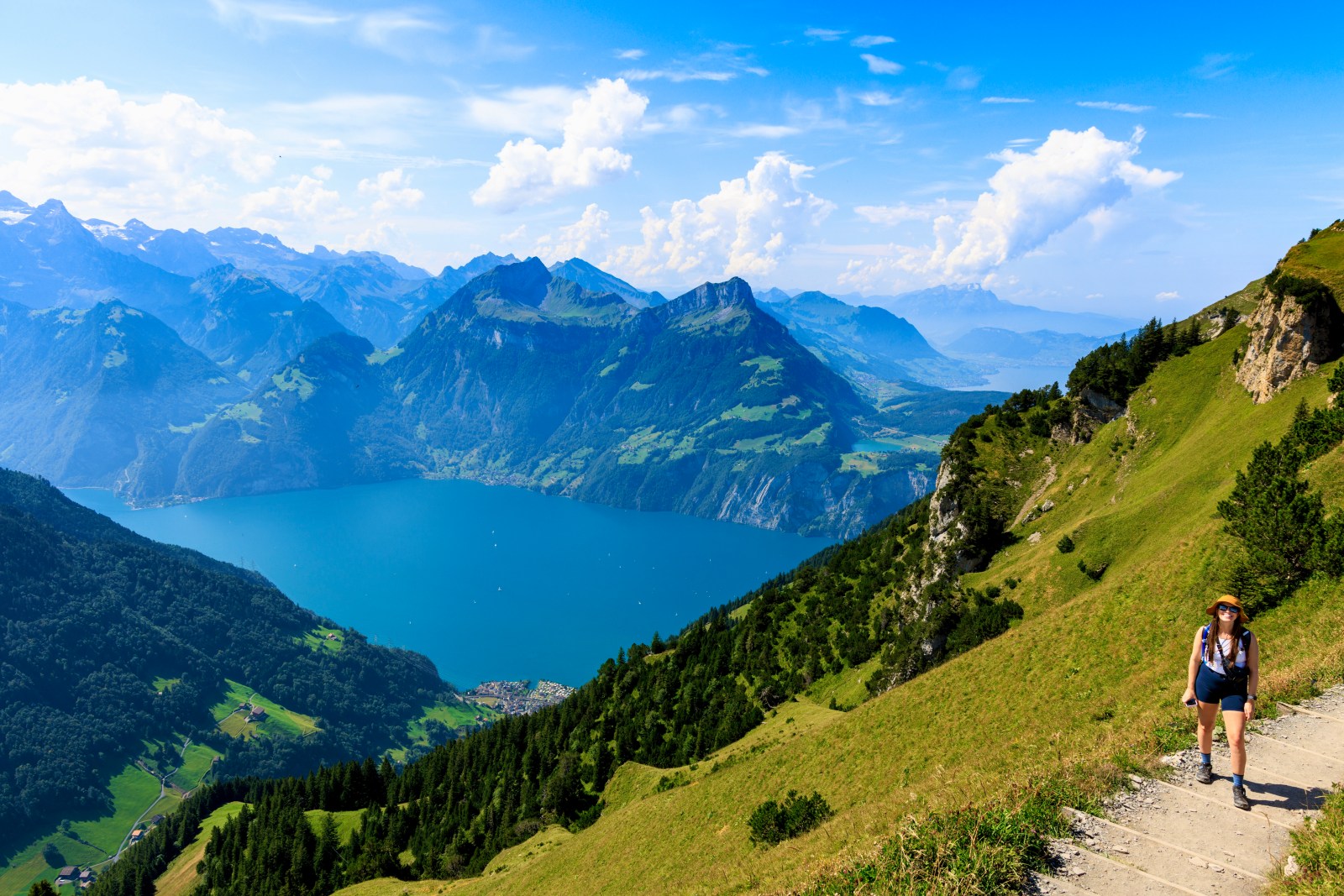
Where to stay in each stop
Zurich
- Old Town for charm and walkability near Zurich HB.
- Enge or Seefeld for quiet lakeside evenings.
Lucerne
- Near the Chapel Bridge for easy sightseeing.
- Tribschen for calmer nights and quick lake access.
Bernese Oberland
- Lauterbrunnen for valley waterfalls and easy links up both sides.
- Wengen for car-free calm and fast trains to Kleine Scheidegg.
- Grindelwald for more shops and First cable car.
Zermatt
- Near the station for luggage ease.
- Winkelmatten for Matterhorn views from your balcony.
Lake Geneva
- Montreux lakeside for sunsets and Chillon access.
- Vevey for calmer nights and vineyards nearby.
Ticino
- Lugano center for ferries and funiculars.
- Locarno for a warmer microclimate and relaxed pace.
Choose places that cut transfers. A short walk to the station can save an hour a day. Your switzerland itinerary should leave room for slow mornings and late sunsets.
Packing list and practical tips
Essentials
- Layers, a light rain shell, and sturdy shoes.
- Sunglasses and sunscreen at altitude.
- A Type J plug adapter. Many C plugs also fit, but not all.
Digital
- Download the SBB Mobile app for live times.
- Save offline maps. Signal can fade in tunnels.
- Use an eSIM for simple data.
Logistics
- Use station lockers to roam bag-free.
- Swiss hotels often include a free local transit card.
- Carry a refillable bottle. Fountains are common and safe.
I once forgot my adapter and bought one at the station for a premium. Small misses add up. A simple checklist keeps your switzerland itinerary smooth.
Common mistakes to avoid
- Overstuffing days with two big peaks. Pick one highlight and enjoy it.
- Ignoring weather windows. Keep one flexible block every two days.
- Skipping seat reservations on popular scenic trains in summer.
- Staying far from stations to save a little, then losing time every day.
- Not validating museum benefits on the Swiss Travel Pass.
These fixes are easy and make a clear difference. Your switzerland itinerary will feel calmer and richer when you slow down.
Frequently Asked Questions of switzerland itinerary
How many days do I need for a first switzerland itinerary?
Seven days covers Zurich, Lucerne, the Bernese Oberland, and Zermatt. Ten days adds Lake Geneva or Ticino at a relaxed pace.
Is the Swiss Travel Pass worth it for a switzerland itinerary?
It pays off when you take long train days and visit museums or boats. For short stays with few rides, combine a Half Fare Card with Saver Day Passes.
Should I rent a car for my switzerland itinerary?
Trains are faster, greener, and reach car-free towns like Zermatt and Wengen. Drive only if you plan remote valleys or carry ski gear.
What is the best month for a switzerland itinerary?
June to early October gives open lifts and stable trails. For snow scenes and markets, pick December or February.
Do I need seat reservations on scenic trains in my switzerland itinerary?
Yes for Glacier Express and most Bernina panorama cars. Regular regional trains on the same route need no reservations.
How do I handle luggage on a switzerland itinerary?
Use station lockers or hotel storage between check-in times. SBB Luggage services can transfer bags between many stations.
Conclusion
You now have a clear switzerland itinerary for 7, 10, or 14 days, with routes, passes, and smart trade-offs. Pick your base towns, lock a few key trains, and leave space for weather and whim. That balance turns a busy map into an effortless journey.
Use this guide to sketch your dates today. Then reserve the big pieces and keep two open slots for blue-sky moments. If you found this helpful, subscribe for my free monthly route updates or share your plan in the comments so I can help you fine-tune it.