

Stay downtown for first-time visits, Kitsilano for beaches, and North Shore for nature.
If you are searching where to stay in Vancouver, you are spoiled for choice. I have booked stays across the city for work, fun, and family trips. I know the trade-offs by block, by view, and by season. In this guide, I will break down where to stay in Vancouver by vibe, budget, and transit. You will get clear picks, real tips, and a plan that fits your trip.
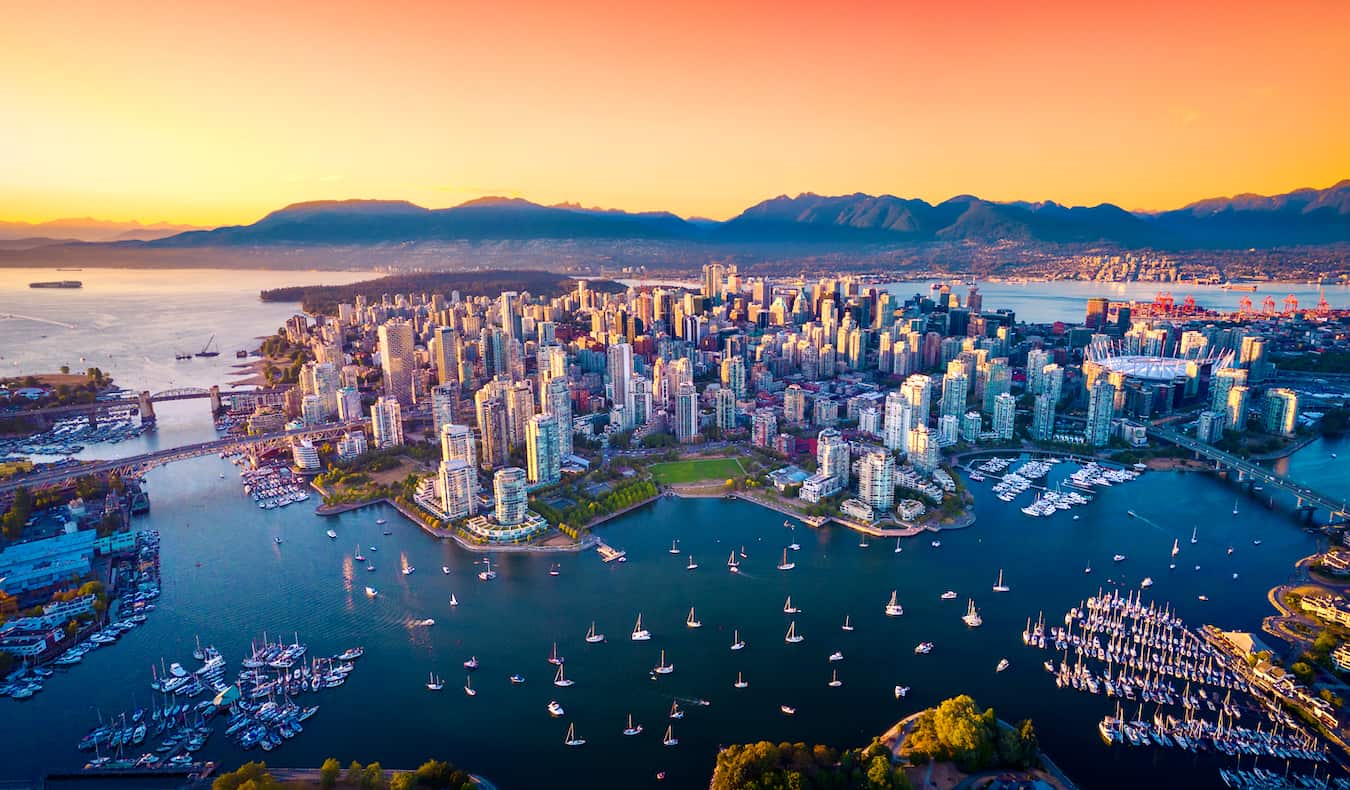
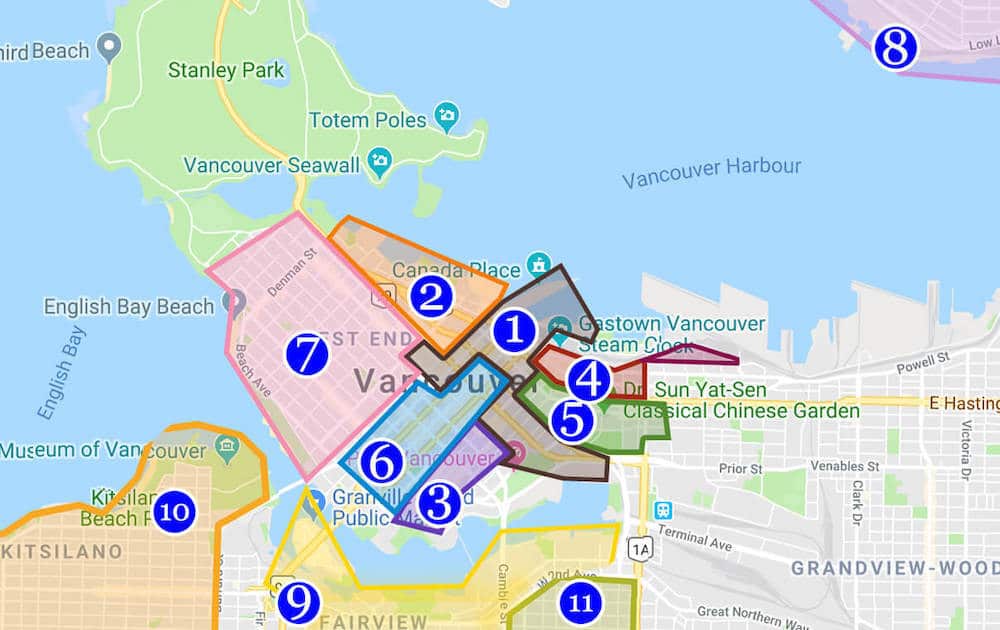
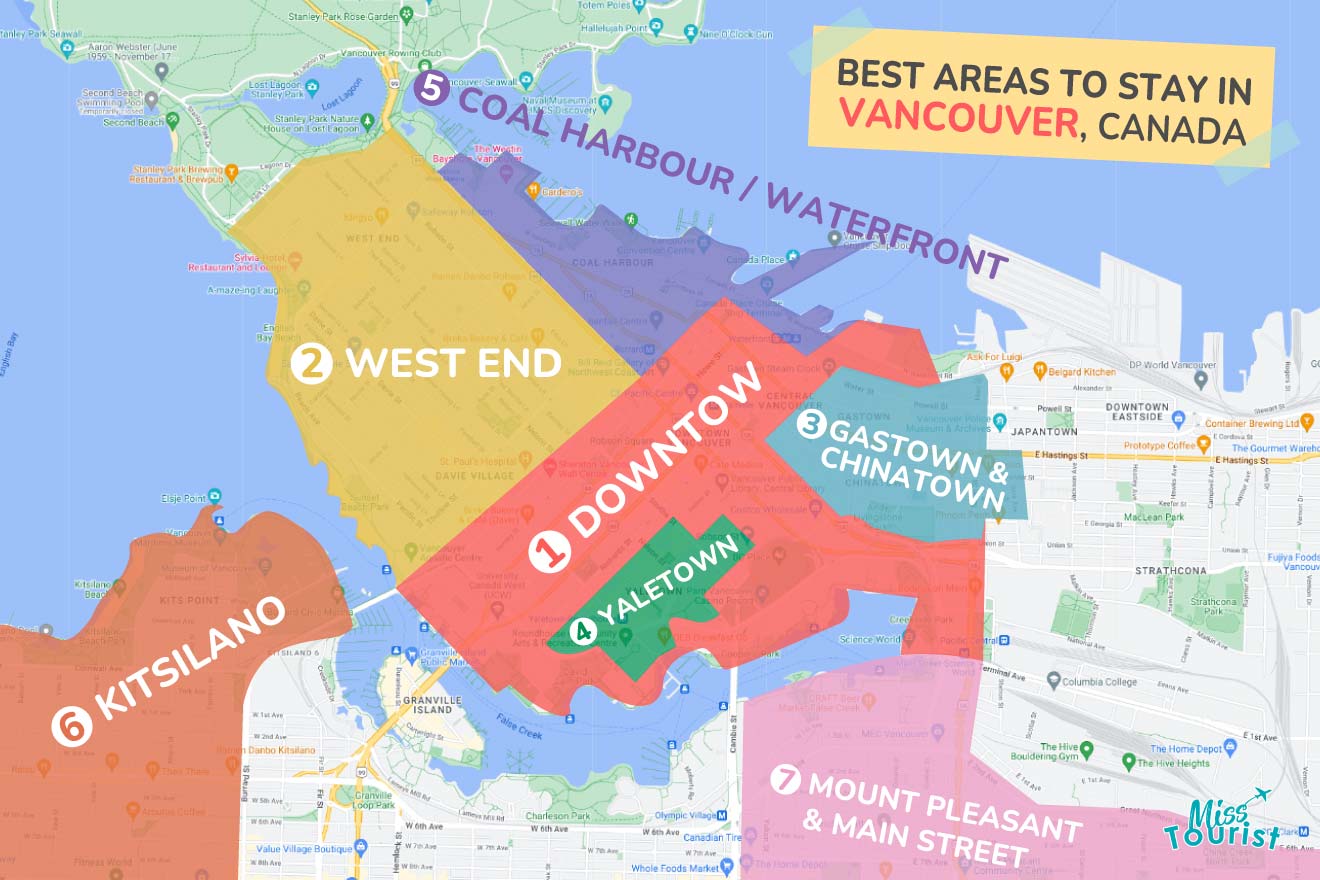
Best areas at a glance
Vancouver is compact and easy to explore. But each area offers a very different feel. Use this quick map in your mind before you book.
- Downtown and Coal Harbour: Best for first-time trips and business.
- Yaletown and False Creek: Food, design hotels, and date nights.
- Gastown and Chinatown: Historic style, indie shops, and edge.
- West End and English Bay: Beaches and Stanley Park at your door.
- Kitsilano: Local vibe, cafés, and summer swims.
- Mount Pleasant and Main Street: Breweries, murals, and value.
- North Vancouver: Fast access to trails and mountains.
- Richmond (YVR): Airport stays and top Asian food.
- Burnaby/Metrotown: Lower rates with easy SkyTrain.
When people ask me where to stay in Vancouver on short trips, I steer them near the SkyTrain. You can drop your bags and move fast.

Downtown and Coal Harbour
If you want a sure bet, start here. It is walkable, safe by day, and close to the seawall. The Vancouver Convention Centre and cruise terminal sit in Coal Harbour. That means easy wins for meetings and cruise departures.
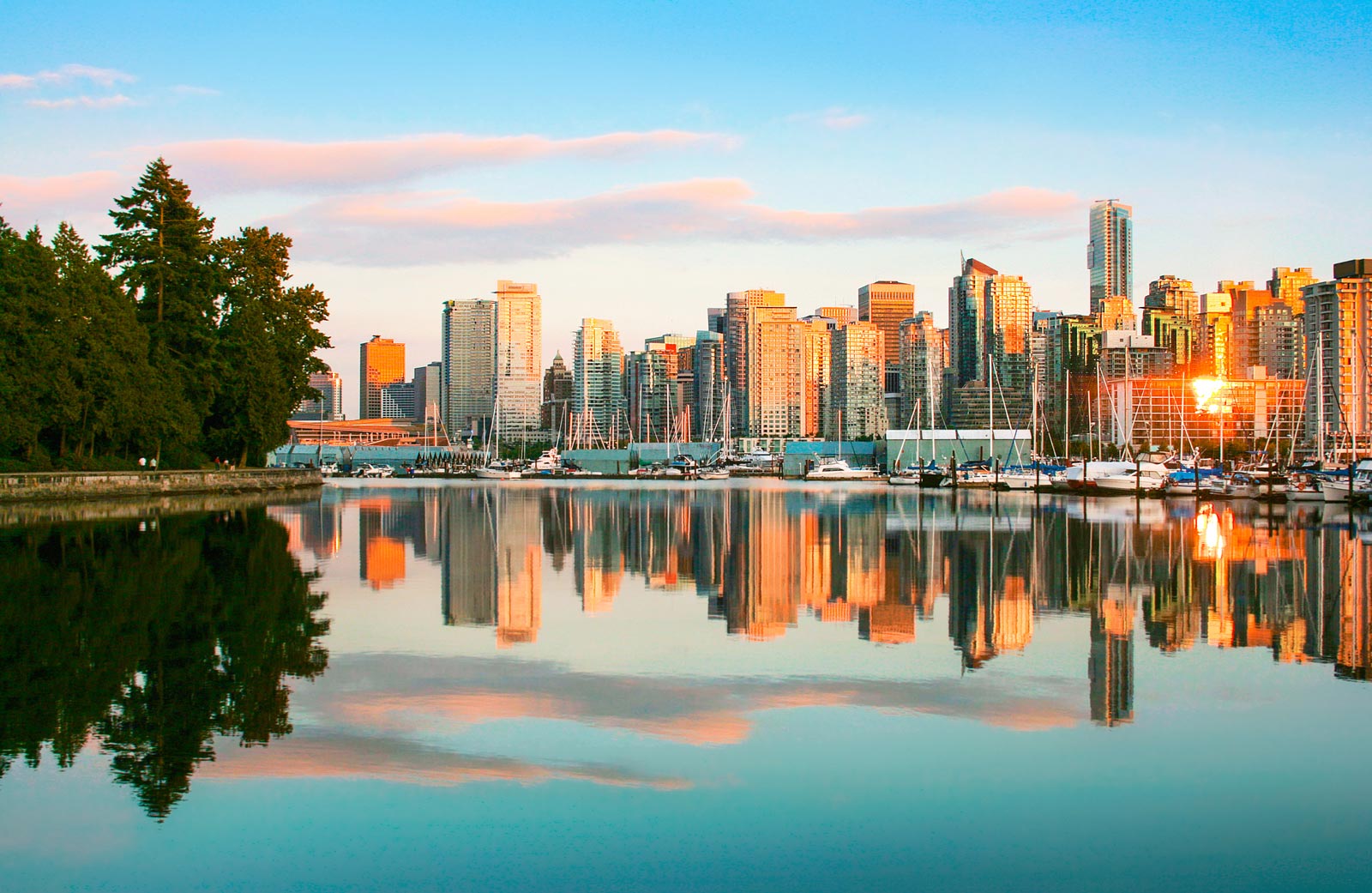
What I like most is the view. Rooms facing the harbor look over the North Shore peaks. You can walk to Stanley Park in 15 minutes. At night, it is quiet compared to other cores.
Who should stay:
- First-time visitors who want simple days.
- Business travelers who need the convention center.
- Cruise passengers and short stays.
Price guide per night:
- Standard hotels: 180–350 CAD
- Luxury towers: 350–700 CAD
Where to stay in Vancouver if you want skyline shots? Coal Harbour is your frame.
Yaletown and False Creek
Yaletown mixes brick warehouses, patios, and boutique hotels. It feels polished and social. The Canada Line runs through Yaletown–Roundhouse Station, so the airport ride is quick.
I book Yaletown when I want a fun dinner scene or a couple’s trip. It is quiet by morning and lively by dusk. The seawall is steps away for a sunrise jog.
Who should stay:
- Couples and friends who love restaurants.
- Design fans who want chic hotels.
- Travelers who like lounges and wine bars.
Tips:
- Book a room facing a courtyard for less street noise.
- In summer, eat outside but bring a light layer. Evenings cool fast.
If you ask where to stay in Vancouver for food and style, Yaletown is the easy pick.
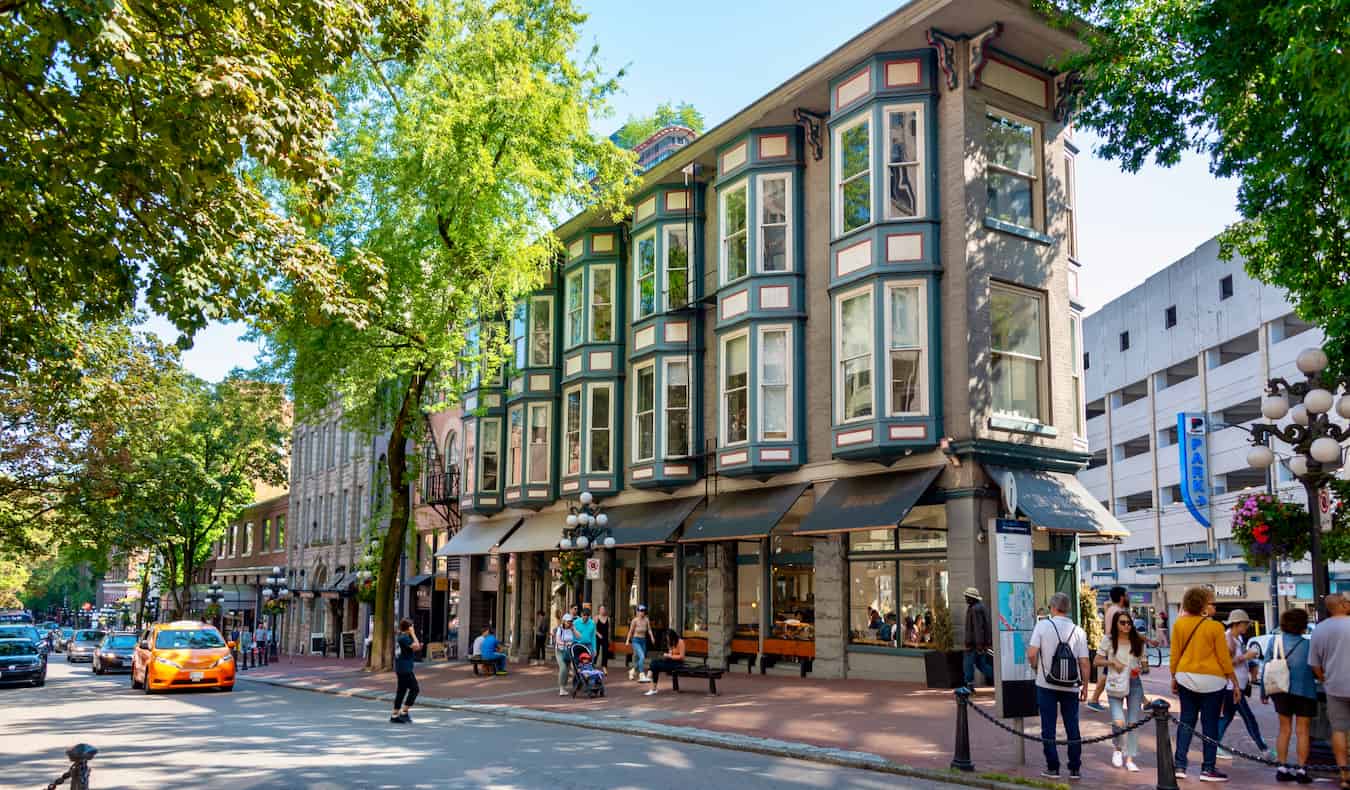
Gastown, Chinatown, and nearby blocks
Gastown is charming with cobblestones and indie brands. It sits next to parts of the Downtown Eastside, where you will see visible poverty and social services. The contrast can surprise first-time visitors.
I like staying on the western edge of Gastown for quick access to cafés and transit. I do not suggest late-night walks east of Main Street if you are alone. Ride-hail is cheap and fast.
Who should stay:
- Urban explorers who enjoy heritage buildings.
- Shoppers who want local design.
- Photographers who chase moody streets and steam clock shots.
Booking tips:
- Check recent reviews block by block.
- Ask the hotel for room orientation away from late-night noise.
If you want edge and history when choosing where to stay in Vancouver, Gastown can deliver. Be mindful of your route at night.
West End and English Bay
The West End feels like a real neighborhood. Tree-lined streets, small cafés, and beach sunsets. You are next to Stanley Park, which is a huge perk.
I often stay here for a slower pace. I walk to Denman Street for ramen, then catch golden hour at English Bay. It is great for families and runners.
Who should stay:
- Families who want parks and beach time.
- Budget seekers who still want central access.
- Anyone planning long walks or bike rides.
Good to know:
- Older buildings may have smaller rooms.
- Summer fills fast due to fireworks and beach events.
For travelers asking where to stay in Vancouver for nature and calm, the West End is a top choice.
Kitsilano
Kitsilano, or Kits, brings a sunny, local mood. It is across the bridge from downtown. You get beaches, yoga studios, and lots of brunch.
I choose Kits in summer. It feels like a weekend even on weekdays. If you rent a bike, the ride to Granville Island is easy and fun.
Who should stay:
- Beach lovers and families.
- Remote workers who want cafés and calm.
- Travelers who prefer boutique inns and rentals.
Notes:
- Transit to downtown is by bus or bike.
- Nightlife is mellow. Plan evenings downtown if you want a late scene.
When readers ask me where to stay in Vancouver in July or August, I often say Kits. It is summer in a bottle.
Mount Pleasant and Main Street
Main Street offers a creative mix. Breweries, murals, thrift shops, and coffee. Prices can be lower than the core, yet transit is good.
I like this area for longer stays. It feels local and interesting. You will find many mid-scale hotels and quality short-term rentals.
Who should stay:
- Budget-conscious travelers who still want style.
- Digital nomads who like a neighborhood base.
- Beer fans and food truck hunters.
Tips:
- Pick places near Broadway for quick buses and the new SkyTrain extension.
- Weekends bring markets and crowds. Book early.
If you want value when deciding where to stay in Vancouver, Main Street is smart.
North Vancouver and the North Shore
North Vancouver gives you the mountains on your doorstep. The SeaBus connects to Waterfront Station in 12–15 minutes. From here, buses run to Grouse, Capilano, and Lynn Canyon.
I book the North Shore when my main plan is hiking. It saves time and transit costs. You can still reach downtown fast for a show or dinner.
Who should stay:
- Hikers and trail runners.
- Families who want space and quiet nights.
- Photographers chasing sunrise on the peaks.
Notes:
- Expect a little rain shadow shift. Pack layers.
- Parking is easier here than downtown.
For outdoorsy trips, where to stay in Vancouver becomes an easy answer: the North Shore.
Richmond and the airport (YVR)
Richmond is ideal for late arrivals, early flights, and food lovers. The Canada Line links YVR to Richmond and downtown. Many hotels offer shuttles.
I plan one night here when my flight lands late. Then I dive into the region’s excellent Asian food scene. It is also a great base for day trips south.
Who should stay:
- Red-eye flyers and quick stopovers.
- Food-focused travelers.
- Budget seekers with easy transit needs.
Tip:
- Pick a hotel near a Canada Line station to save time.
If your query is where to stay in Vancouver near the airport, Richmond is the clear winner.
Burnaby and Metrotown
Burnaby gives you value and fast SkyTrain links. Metrotown has big malls, lots of dining, and fair rates. Trains reach downtown in about 20–25 minutes.
I like Burnaby for events at Deer Lake Park or when rates spike downtown. Rooms are larger on average. Parking is also cheaper.
Who should stay:
- Budget travelers and families.
- Shoppers and long stays.
- Visitors with meetings across Metro Vancouver.
Tip:
- Request a high floor for quieter nights and nicer views.
When cost is king, where to stay in Vancouver often points east to Burnaby.
Pick by trip type
Matching your base to your plan saves time and stress. Use these simple picks.
- First-time in the city: Downtown or Coal Harbour
- Food and nightlife: Yaletown or Gastown
- Beaches and parks: West End or Kitsilano
- Hiking focus: North Vancouver
- Budget with transit: Mount Pleasant or Burnaby
- Red-eye flights: Richmond near YVR
If you still wonder where to stay in Vancouver, list your top two trip goals. Then match them to the area above.
Price ranges and when to book
Prices swing with season and events. Summer and big conferences push rates up. Winter lowers prices, except on holidays.
Typical nightly ranges for two adults:
- Hostels and basic inns: 40–120 CAD
- Mid-range hotels: 150–300 CAD
- Luxury hotels: 350–700 CAD+
- Short-term rentals: 120–300 CAD, by area and rules
Booking tips I use:
- Reserve 6–10 weeks ahead for summer.
- Set alerts for flexible rates. Rebook if prices drop.
- Check for cruise season spikes from April to October.
If you are flexible, where to stay in Vancouver at a fair price is easier midweek and in shoulder months.
Getting around: transit and walking
Vancouver’s SkyTrain and buses are simple and safe. Tap with a contactless card and go. Most top areas sit near a station.
Fast tips:
- Canada Line: YVR, Richmond, Yaletown, downtown.
- Expo Line: Downtown, Main Street, Metrotown, beyond.
- SeaBus: Downtown to North Vancouver in minutes.
I plan stays near a station to cut rideshares. It also helps when rain shows up. Where to stay in Vancouver for easy transit? Aim within a 10-minute walk of SkyTrain or SeaBus.
Types of stays: hotel vs rental vs hostel
Each option has trade-offs. Your pick depends on service needs and rules.
Hotels
- Best for service, luggage help, and late check-ins.
- Reward points can add value.
- Higher taxes and fees in core areas.
Short-term rentals
- Great for kitchens and longer stays.
- Check local bylaws and building rules.
- Ask about noise and AC. Not all buildings have it.
Hostels and guesthouses
- Best for solo travelers and tight budgets.
- Look for lockers and 24-hour reception.
- Read recent reviews on cleanliness.
I switch between hotels and rentals based on trip length. Where to stay in Vancouver for a week? A legal rental with a kitchen is hard to beat.
Safety, noise, and local etiquette
Vancouver is safe for most visitors. Use standard city sense. Some blocks near the Downtown Eastside have social services. You may see open drug use there.
Practical tips:
- Plan your walking routes at night.
- Use rideshare after late events.
- Keep bikes locked with two locks.
Noise varies by block. Ask for high floors and courtyard views. If you care about quiet, this matters more than star ratings. When readers ask where to stay in Vancouver for peaceful nights, I point them to Coal Harbour, the West End, and North Vancouver.
Mistakes to avoid
A few simple moves make a big difference.
- Booking far from transit to save a little. You lose time and money later.
- Underestimating summer demand. Rates jump fast.
- Ignoring parking fees. Downtown parking can surprise you.
- Choosing views over room size when you need space.
- Skipping trip insurance on nonrefundable rates.
Avoid these and your answer to where to stay in Vancouver will feel clear and stress-free.
Frequently Asked Questions of where to stay in vancouver
What is the best area for first-time visitors?
Downtown and Coal Harbour. You can walk to top sights, the seawall, and transit in minutes.
Where should I stay for beaches and Stanley Park?
Pick the West End near English Bay. You get beach time and easy access to the park trails.
Is Gastown safe at night?
Stay aware and stick to well-lit routes. Use rideshare if you plan a late dinner or bar hop.
What area is best for food lovers?
Yaletown for patios and modern spots, and Richmond for stellar Asian food. Both have quick transit.
Where to stay in Vancouver on a budget?
Mount Pleasant, Burnaby, or some parts of the West End. Book early for better rates.
Which area is best for hiking access?
North Vancouver near the SeaBus or Lonsdale. You will reach Grouse, Capilano, and trails faster.
Is it worth staying near the airport?
Yes, for late arrivals, early flights, or food trips. The Canada Line gets you downtown fast.
Conclusion
You now know how each neighborhood shapes your trip. Pick the base that matches your goals, your budget, and your transit needs. Start with two priorities, then map them to an area.
Book early for summer, stay near the SkyTrain, and read recent reviews. Take this guide, choose where to stay in Vancouver with confidence, and make the city your own. Ready to plan your stay? Share your dates and interests in the comments, and I will help you fine-tune the perfect base.