
There are 23 countries in North America, plus several territories and dependencies.
If you have ever asked how many countries in North America and found mixed answers, you are not alone. I specialize in breaking down geography in clear, friendly terms. In this guide, you will learn exactly how many countries in North America, why counts differ, and how to verify the facts with confidence.

The short answer to how many countries in North America
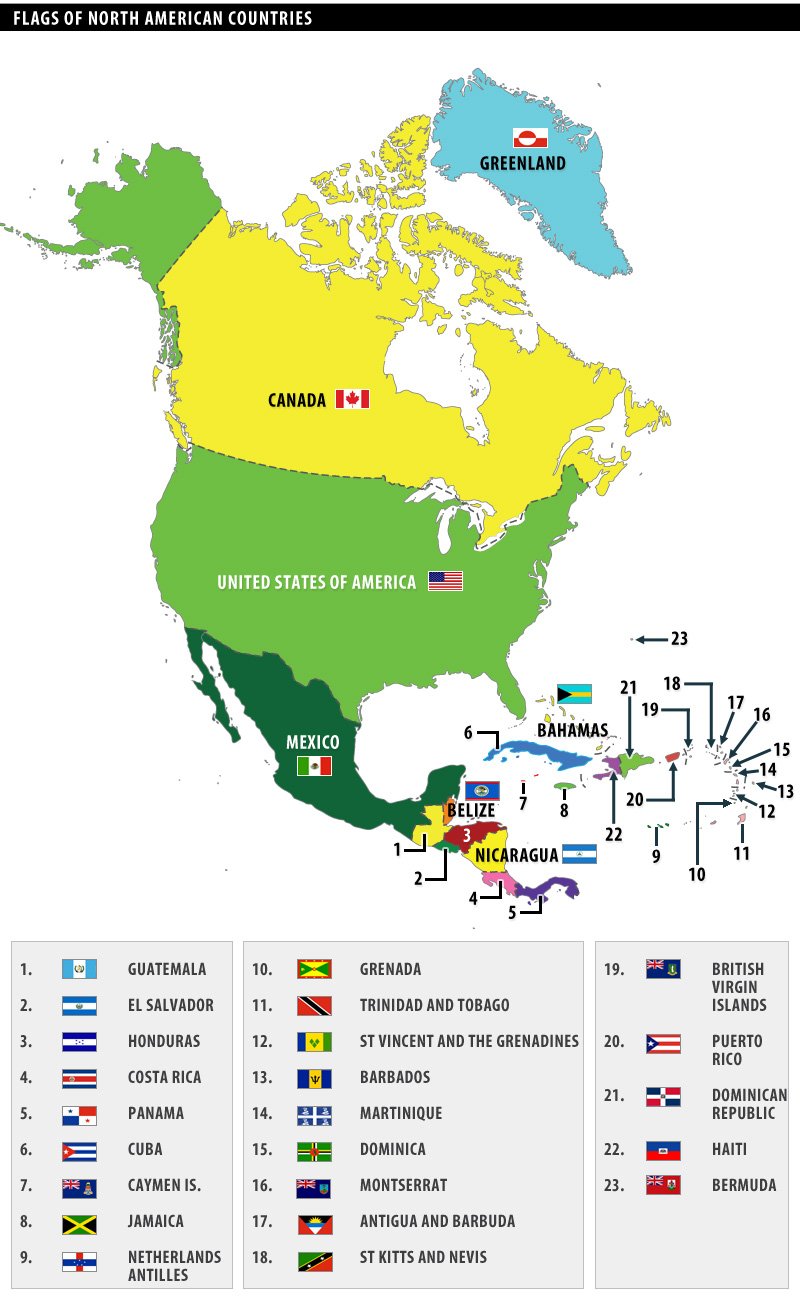
The continent of North America has 23 sovereign countries. This count includes Canada, the United States, and Mexico, the seven countries of Central America, and the 13 sovereign countries in the Caribbean. When people ask how many countries in North America, this 23-country count is the standard used by most atlases and schools.
You may also see a lower number. That happens when someone uses a different definition, like only counting the northern mainland. I will explain those cases so you can answer how many countries in North America with clarity in any context.
What counts as North America?
The number can change based on how you define the region. Here are the three common views I see in classrooms, travel guides, and data portals:
- Whole continent view. This includes Canada, the United States, Mexico, all of Central America, and the entire Caribbean. In this view, how many countries in North America equals 23.
- Northern mainland view. This limits the scope to Canada, the United States, and Mexico. In this view, how many countries in North America would be 3, but it ignores Central America and the Caribbean.
- UN regional terms. The UN splits the area into Northern America, Central America, and the Caribbean as subregions of the Americas. If someone uses only the UN’s “Northern America,” they may count fewer countries. That is why search results for how many countries in North America can differ.
A good rule is simple. If the question is the whole continent, the best answer to how many countries in North America is 23.
List of the 23 sovereign countries in North America
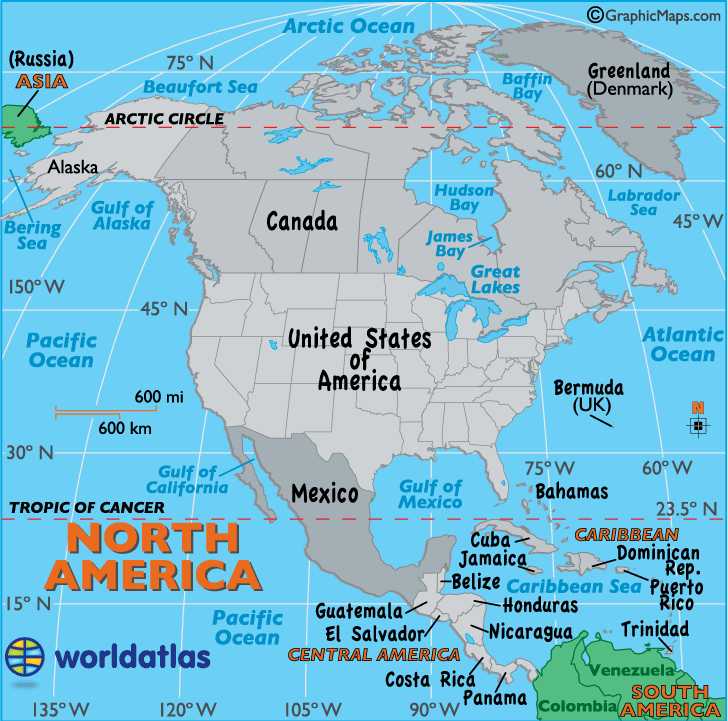
To make how many countries in North America crystal clear, here is the complete list by subregion.
Northern mainland
- Canada
- United States
- Mexico
Central America
- Belize
- Costa Rica
- El Salvador
- Guatemala
- Honduras
- Nicaragua
- Panama
Caribbean
- Antigua and Barbuda
- Bahamas
- Barbados
- Cuba
- Dominica
- Dominican Republic
- Grenada
- Haiti
- Jamaica
- Saint Kitts and Nevis
- Saint Lucia
- Saint Vincent and the Grenadines
- Trinidad and Tobago
These are all sovereign states. If your goal is to answer how many countries in North America in a school or travel setting, this list covers it.
Territories and dependencies in North America
Some places in North America are not independent countries. They are territories, departments, or constituent countries of a larger sovereign state. This is why how many countries in North America is not the same as how many places you might visit on a cruise or see in a dataset.
Notable examples
- Greenland, an autonomous territory within the Kingdom of Denmark
- Bermuda, a British Overseas Territory
- Puerto Rico, a U.S. territory
– U.S. Virgin Islands, a U.S. territory - British Virgin Islands, a British Overseas Territory
- Cayman Islands, a British Overseas Territory
- Turks and Caicos Islands, a British Overseas Territory
- Anguilla, a British Overseas Territory
- Montserrat, a British Overseas Territory
- Aruba, a constituent country of the Kingdom of the Netherlands
- Curaçao, a constituent country of the Kingdom of the Netherlands
- Sint Maarten, a constituent country of the Kingdom of the Netherlands
- Bonaire, Saba, and Sint Eustatius, special municipalities of the Netherlands
- Saint Pierre and Miquelon, a French overseas collectivity near Canada
- Guadeloupe and Martinique, French overseas departments and regions
- Saint Barthélemy and Saint Martin, French overseas collectivities
These places are part of North America, but they are not counted as sovereign states. So when someone asks how many countries in North America, the correct answer still remains 23.
Why the number can vary in search results
I have seen students and even editors get different answers depending on sources. Here are the main reasons:
- Different definitions. Some count the whole continent, while others only count the northern mainland. That changes how many countries in North America appear in a list.
- Political status. Territories can look like countries in a tourism guide. But they do not count as sovereign states.
- Data sources. Sports leagues, trade groups, and cultural lists use their own regions. That makes how many countries in North America vary across sites.
- Language and education. Some textbooks group Central America with South America. Others keep it with North America. Check the context to be sure.
When in doubt, use the full continent view and you will have a strong, standard answer to how many countries in North America.
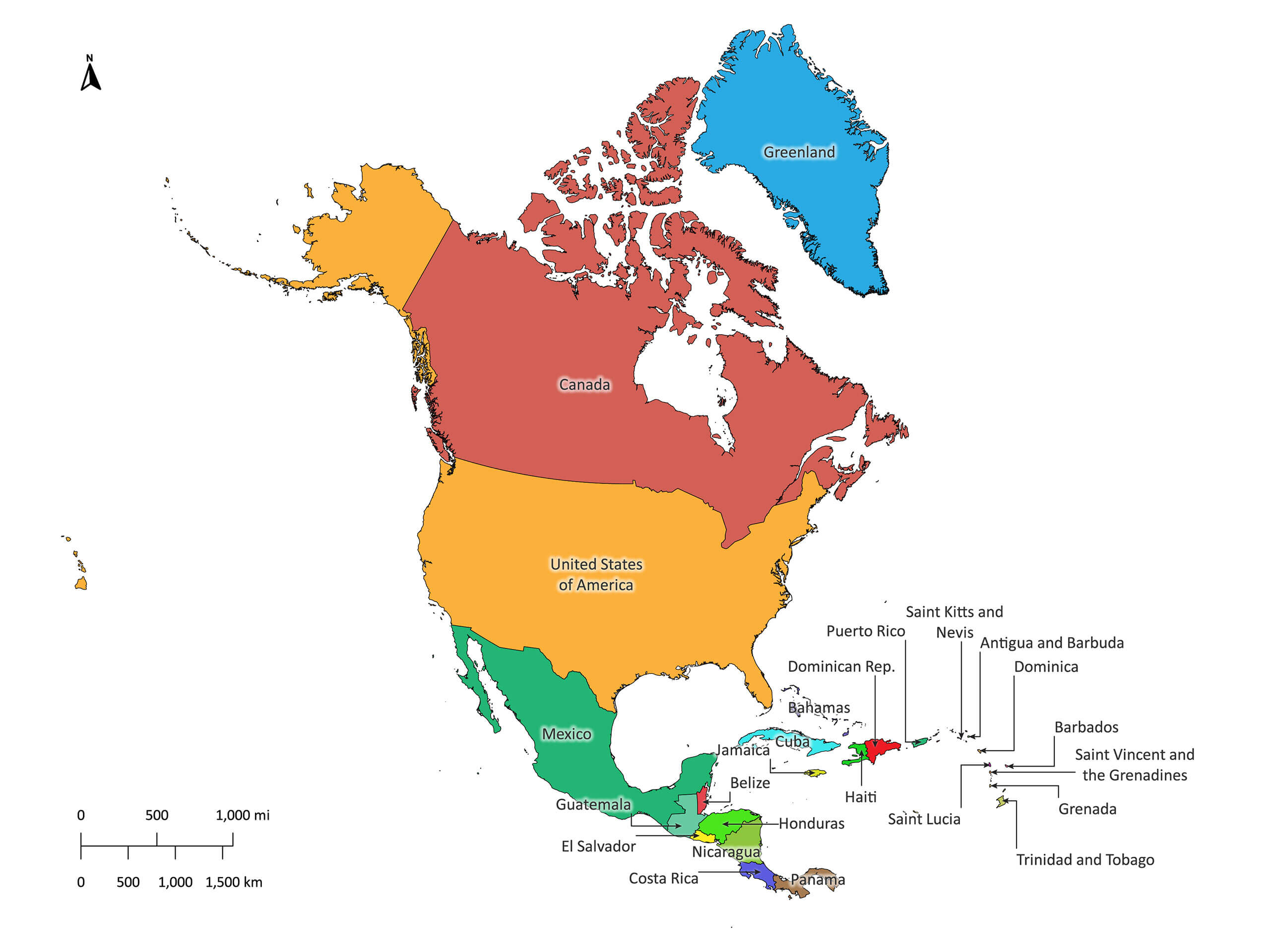
Fast facts about North America’s countries
These facts help you give clear answers beyond how many countries in North America.
- Largest country by area. Canada.
- Largest population. United States.
- Smallest country by area. Saint Kitts and Nevis.
- Most spoken languages. English, Spanish, French, and Haitian Creole.
- Highest peak. Denali in the United States.
- Economic leader by GDP. United States.
These quick facts add useful context when you explain how many countries in North America to students or friends.
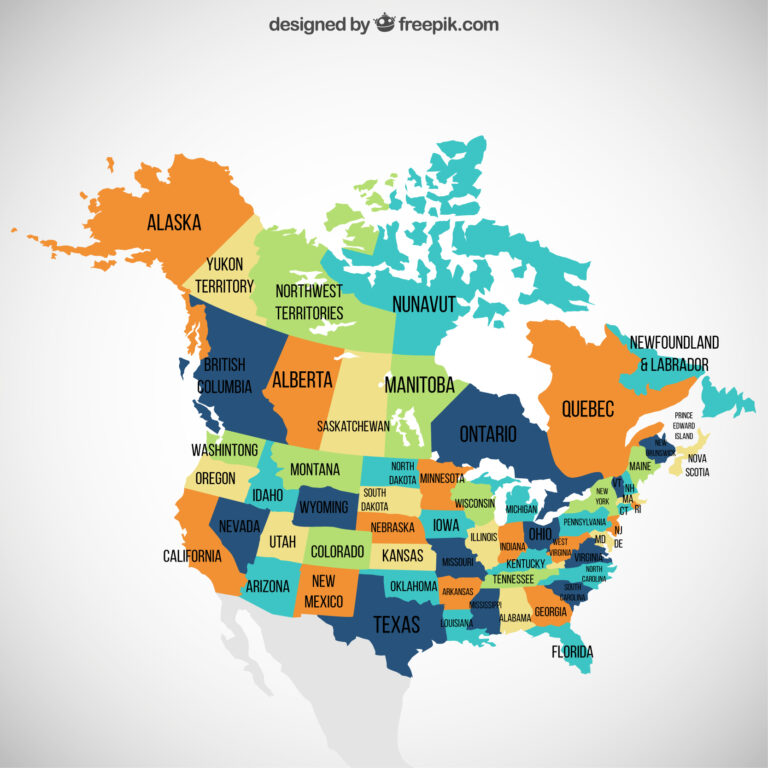
Practical tips from experience
When I teach younger learners, I start with a map and color code by subregion. We label three colors: northern mainland, Central America, and the Caribbean. This helps fix how many countries in North America in their minds.
For travelers, I suggest grouping trips by subregion. For example, visit Mexico and Belize together, or pair Barbados and Saint Lucia. Your plans will line up with the 23-country framework, and how many countries in North America will feel real, not abstract.
If you work with data, set a clear region rule at the start. Say it out loud: “We use the 23 sovereign countries.” That small step saves hours when two teammates disagree on how many countries in North America.
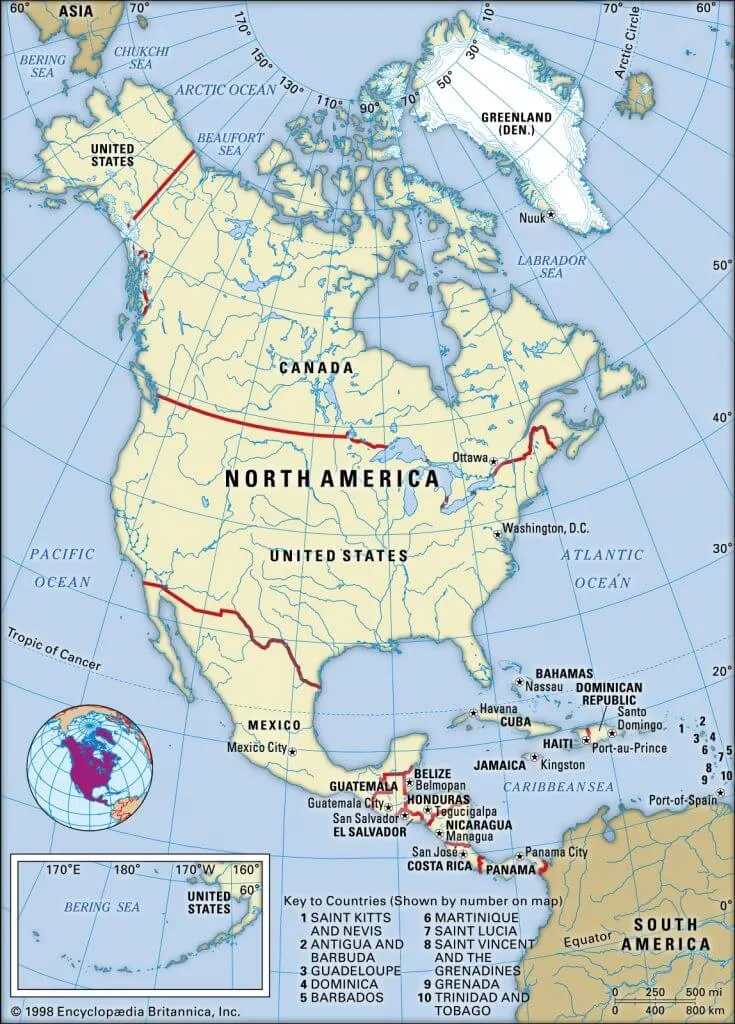
How to fact-check how many countries in North America
You can confirm the 23-country count in three simple steps:
- Use an authoritative list of sovereign states. Check against a current international registry that lists UN member states and recognized sovereign countries.
- Compare a modern atlas map with a country index. Make sure Central America and the Caribbean are included.
- Cross-check with a national statistics office or a respected global data portal. Use the same scope each time so your answer to how many countries in North America stays consistent.
Do these steps once, document your scope, and you will never doubt how many countries in North America again.

Frequently Asked Questions of how many countries in north america
Is it 23 or 3 countries in North America?
It is 23 when you count the whole continent, including Central America and the Caribbean. The number 3 only counts Canada, the United States, and Mexico.
Are territories like Puerto Rico counted as countries?
No. Territories are not sovereign states, so they do not change how many countries in North America there are. They are part of the region but not independent.
Why do different websites show different numbers?
They use different region definitions or include territories. Always check if they mean the whole continent before trusting their count of how many countries in North America.
Does Central America belong to North America?
Yes. Central America is the southern part of the North American continent. It includes seven countries that count toward how many countries in North America.
How can I teach this clearly to students?
Use color-coded maps by subregion and drill the list of 23. Repeat the scope so students remember how many countries in North America and why.
Conclusion
Now you can answer with confidence that there are 23 countries in North America and explain why some sources disagree. Use the full continent view, note the difference between countries and territories, and keep your scope consistent.
If you found this helpful, share it with a friend, save it for class, or subscribe for more quick, clear geography explainers.