
A white sand beach is a bright, powdery shoreline made of quartz or coral.
If you love warm sun and clear blue water, you will enjoy a white sand beach. I’ve visited many of these beaches, from the Caribbean to the South Pacific. The sand made a soft squeaky sound under my feet in Australia, and it even stayed cool at noon in the Maldives.
In this guide, I’ll explain what makes white sand beaches so special, how you can plan a good trip, and how to take care of these delicate places while you enjoy them.
:max_bytes(150000):strip_icc()/angaga-island-maldives-WHITESAND1017-94486b9b48614c178a7f249adf9122a9.jpg)
What makes a white sand beach white?
A white sand beach gets its color from what the grains are made of. In the tropics, most white sand comes from coral and shells. In temperate zones, it is often pure quartz. Both kinds reflect a lot of light, so the sand looks bright.
Grain size and shape matter too. Fine, rounded grains make the surface feel soft and powdery. Studies show bright, fine grains reflect more sun and hold less heat. That is why a white sand beach can feel cool even at noon.
On coral islands, parrotfish help build beaches. They graze on reefs and pass fine, clean sand. On quartz coasts, old granite and sandstone break down into pure, glassy grains. Both paths create the classic white sand beach feel.
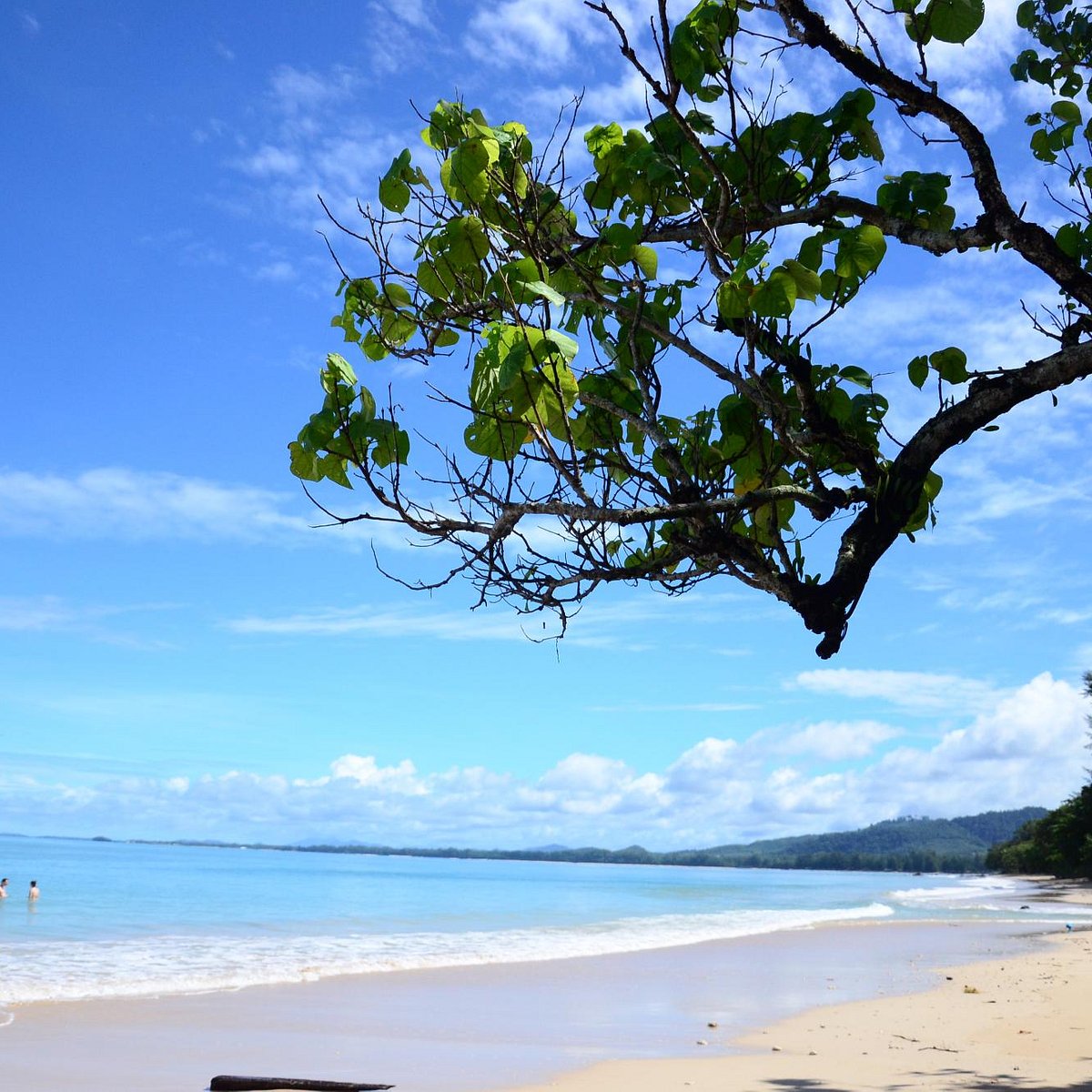
Top white sand beach destinations worldwide
Every region has a white sand beach with its own charm. Here are standouts I trust and love.
- Whitehaven Beach, Australia. A 98 percent quartz white sand beach with swirling turquoise water.
- Maldives, Indian Ocean. Tiny islands, coral sand, and reef life a few steps from shore.
- Boracay, Philippines. A long, lively white sand beach with calm, clear water at sunset.
- Exumas, Bahamas. Shallow banks, sandbars, and dreamy shades of blue on every side.
- Seychelles, Africa. Granite boulders and a powdery white sand beach backed by jungle.
- Cancún and Tulum, Mexico. Wide shores, Mayan ruins nearby, and bright Caribbean seas.
- Zanzibar, Tanzania. Tide pools, dhow sails, and a soft white sand beach lined with palms.
- Destin and 30A, Florida, USA. Sugar-white quartz and gentle Gulf waves for families.
I still recall dawn on Whitehaven. The sand hummed underfoot and my shoes stayed cool in my bag. That is the magic of a white sand beach when you catch it at the right time.
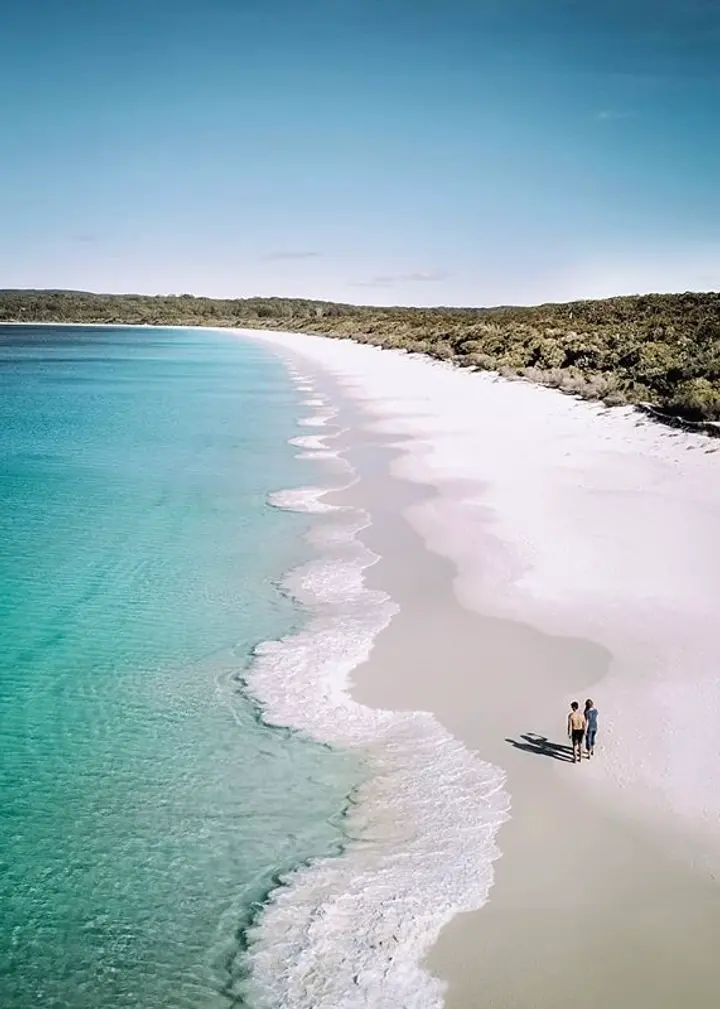
Planning your white sand beach trip: timing, budget, logistics
Timing shapes your whole trip. Dry season brings clear water and calm seas. Wet season means lower prices and fewer crowds. Check local storm or monsoon windows. Many white sand beach areas have a short, sharp rainy period.
Set a budget early. Flights and small island stays can spike in peak months. Book flexible rates and watch fare drops. For remote white sand beach islands, plan transfers. Many use ferries or short hops on small planes.
Keep an eye on sea conditions. Swell and currents change by month. Ask local guides about snorkeling safety days. Bring reef-safe sunscreen. Some islands now require it.

Responsible travel on a white sand beach
A white sand beach looks tough but is fragile. The dunes protect the coast. The reef feeds the sand. Small choices help a lot.
- Use reef-safe mineral sunscreen. Chemical filters can stress coral.
- Pack out all trash. Wind moves light plastic fast on an open white sand beach.
- Do not step on dunes or seagrass. Roots stop erosion and keep the sand in place.
- Skip feeding fish or touching coral. It harms wildlife and can hurt you.
- Choose tours with conservation rules. Local guides protect the places they love.
Research shows healthy reefs make more sand and protect shores from storms. Your choices keep that circle alive.
:max_bytes(150000):strip_icc()/tropical-beach--tulum--mexico-636738724-a5270b76dccc437eac5d67ec82077621.jpg)
Photography and content tips for a white sand beach
Bright sand can trick your camera. Expose for the highlights so the white stays white. If shots look gray, add a touch of exposure or use beach mode.
A polarizing filter cuts glare and makes water color pop. Shoot in early light and before sunset. Colors glow and crowds thin. I kneel low so the white sand beach fills the frame and leads the eye to the water line.
For phones, tap to lock focus, then slide to adjust exposure. Clean your lens often. Salt spray leaves a film you cannot see but your photos can.

Packing checklist for a white sand beach
Pack light. Sand finds every zipper. Choose gear that dries fast and lasts.
- Sun shirt and wide hat for strong UV.
- Reef-safe mineral sunscreen and lip balm.
- Polarized sunglasses for glare.
- Water shoes for reefs and hot docks.
- Thin towel, quick-dry clothes, and a spare swimsuit.
- Reusable bottle and small dry bag.
- Simple first-aid kit and motion tabs if you boat.
- Zip pouches to keep sand off electronics.
This list has saved me on every white sand beach trip. Simple gear, big difference.

Safety and health at a white sand beach
Sun, salt, and wind hit hard by the sea. Respect them. UV can be extreme on a white sand beach because it reflects light. Reapply sunscreen and sip water often.
Learn the local hazards. Ask about rip currents, jellyfish, and urchins. Swim near flags or lifeguards if the beach has them. If you step on something sharp, rinse with clean water, not seawater.
Watch the tides. Some white sand beach sandbars vanish in minutes. Make a plan to walk back before the water rises.
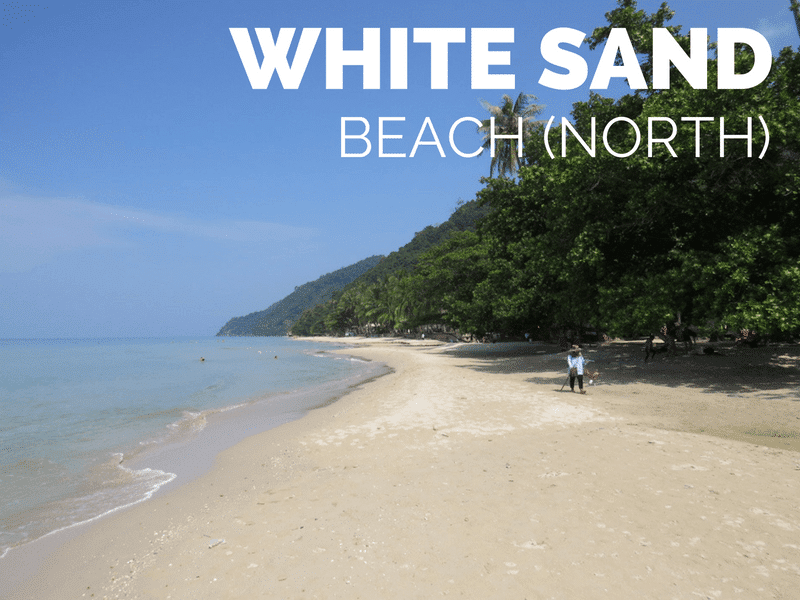
Culture and etiquette by the sea
A white sand beach often borders villages and sacred places. Dress modestly off the water. Ask before flying a drone. Some islands ban them near turtles or birds.
Respect private boats and nets. They are work, not props. Buy local food and crafts. Your money helps keep the white sand beach clean and protected.

Frequently Asked Questions of white sand beach
What makes a white sand beach different from other beaches?
Most white sand beaches are quartz or coral, which reflect more light. This makes them look bright and feel soft underfoot.
Why does white sand feel cooler than darker sand?
White grains reflect sunlight, so they absorb less heat. Fine grains also let air move, which keeps the surface cooler.
Is the sand on a white sand beach safe for sensitive skin?
Yes, it is usually clean and inert quartz or calcium carbonate. Still, rinse after swimming and use gentle sunscreen.
When is the best time to visit a white sand beach?
The dry season brings clearer water and calmer seas. Shoulder months offer good weather with fewer crowds and better prices.
How can I take great photos on a white sand beach?
Use a polarizing filter and expose for highlights. Shoot during golden hours when the light is soft and colors are rich.
Are white sand beach destinations family-friendly?
Many are, especially spots with gentle surf and lifeguards. Check local currents, facilities, and shade options for kids.
How do I protect reefs near a white sand beach?
Wear reef-safe sunscreen, do not stand on coral, and keep fins off the reef. Choose certified eco tours.
Conclusion
A white sand beach is more than a pretty photo. It is a living system made of light, water, and tiny grains that tell a long story. With smart timing, simple gear, and care for the coast, you can enjoy its glow and help it last.
Plan your dates, book with purpose, and pack for sun and salt. Then step onto that bright shore and let the day slow down. Ready to dive deeper? Subscribe for new guides, gear tips, and spot-by-spot maps for your next white sand beach adventure.